Child Marriage in Latvia: Law, Poverty and Global Action
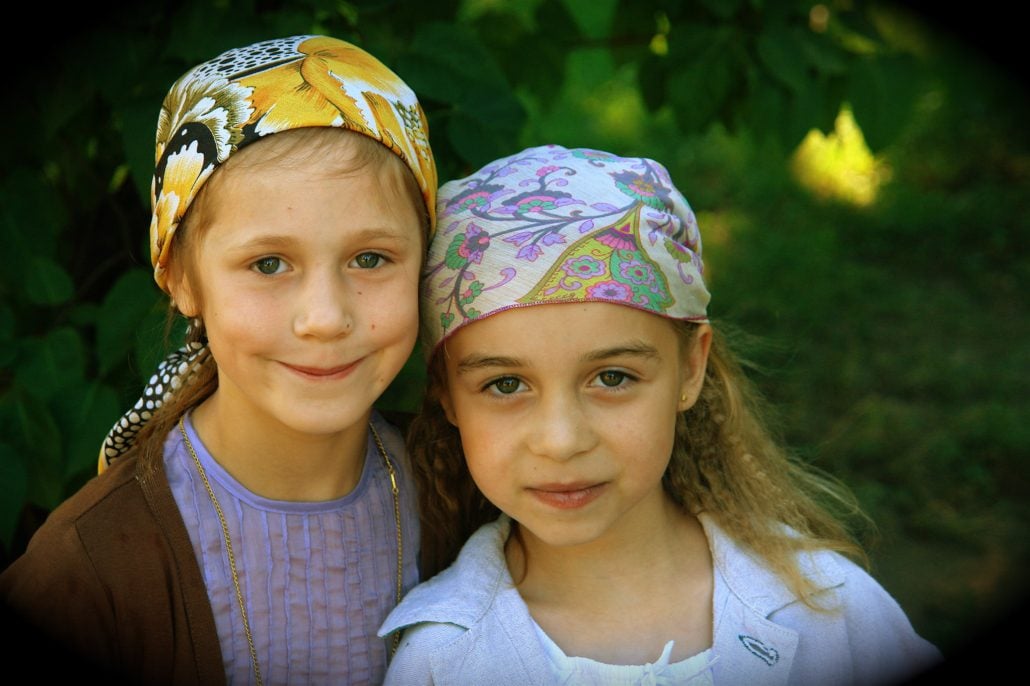 Latvian law sets the minimum marriage age at 18, but the government publishes no figures on how many girls marry younger. Girls Not Brides, a global partnership working to end child marriage, reports that Latvian authorities maintain no publicly available data on child marriage in the country. Without those numbers, researchers and officials cannot determine which girls face the greatest risk or whether the problem is growing or shrinking. Here is more information about child marriage in Latvia.
What the Law Says
According to the Anti-Slavery Law research project, Latvian Civil Law requires spouses to be 18. However, the law allows exceptions. With the consent of a parent or guardian, a person can marry as early as 16. That exception means the legal protection against early marriage remains incomplete, even though 18 serves as the general rule.
Notaries of Europe explains the limits of that exception. A 16-year-old may marry only if the partner is an adult, and an Orphan’s court can grant permission when parents refuse without good cause. In some cases, a court rather than the family alone makes the final decision.
Latvia’s own reporting to the United Nations describes the rule differently. In the 2021 vital statistics questionnaire, Latvia listed 16 as the minimum legal age to marry for both men and women. The gap between the 18-year baseline and the figure officials gave to the U.N. shows why a clear, public record of the law and its exceptions matters.
Poverty and Child Marriage in Latvia
Economic hardship plays a central role in driving early marriage worldwide, and child poverty remains a pressing concern in Latvia. According to Eurostat data, 14.7% of Latvian children under age 18 lived at risk of poverty in December 2025. Financial strain often pushes vulnerable households toward early marriage as a way to reduce family expenses or secure economic stability for their daughters. Conversely, marrying before adulthood forces girls out of school, limiting their earning potential and trapping future generations in poverty.
Vulnerable Girls Across Europe
In Europe, a guest article that the European Public Health Alliance published reports that early marriage rates are particularly high among Roma communities. The article describes early marriage and early motherhood as practices that limit girls’ freedom and economic opportunities, create barriers to education and employment, and raise the likelihood of poverty and social exclusion.
Roma people have lived in Latvia since the 16th century. The Council of Europe reports that Latvian authorities registered 7,456 Roma in the country as of Jan. 1, 2017, representing 0.3% of the population. The available sources do not state how many Roma girls in Latvia marry before 18, which reflects the broader data gap.
International Commitments
Latvia acceded to the Convention on the Rights of the Child in 1992. The government also committed to ending child, early and forced marriage by 2030 under Sustainable Development Goal target 5.3. In 2021, the U.N. Committee on the Elimination of Discrimination against Women urged Latvia to set the marriage age at 18 for everyone, with no exceptions. These commitments give advocates a clear benchmark for measuring progress.
Local Initiatives Addressing Poverty and Protecting Vulnerable Women
Organizations and public programs in Latvia actively work to alleviate poverty and protect women and youth from exploitation and forced marriage:
- Centrs MARTA (Marta Centre): Centres MARTA was founded on May 5, 2000 and is Latvia’s leading women’s rights organization. The organization sets out to protect women and youth from gender-based violence and human trafficking—including forced and fictitious marriages—while helping survivors achieve socio-economic independence. Operating through offices in Rīga, Liepāja and Rēzekne, Centrs MARTA provides free legal aid, psychological counseling and social rehabilitation. In 2024 alone, the organization delivered professional assistance and rehabilitation services to 790 people across Latvia.
- Latvia’s Social Climate Plan: Latvia’s Social Climate Plan, which the European Commission endorsed in July 2026, directly targets household poverty in vulnerable and rural communities. Running from 2026 through 2032 with a €617 million budget, the initiative aims to lower living costs and improve access to education and jobs by renovating social housing, establishing Energy Advisory Hubs and expanding rural public transport. By 2032, the plan will lift nearly 10,000 vulnerable households out of energy poverty and assist 83,000 vulnerable transport users.
Girls Not Brides Builds the Movement
The Elders, a group of independent global leaders, launched Girls Not Brides in 2011 as a civil society partnership to end child marriage and help girls reach their full potential. The partnership supports civil society organizations that work to end child marriage, and its 2024 impact report counts 1,446 members in 94 countries. It also publishes a country profile for Latvia that summarizes the law and the lack of data, giving advocates and officials a starting point for tracking the issue.
Girls Not Brides also backs national networks. In 2023, it reported 12 priority National and State Partnerships and coalitions that lead campaigns in their own countries. In a 2023 member survey, 90% of members said they benefit from belonging to the network, and 70% said they gained knowledge and skills from its learning events.
Looking Ahead
Latvia already holds 18 as its legal baseline and has signed on to the 2030 goal. Pairing transparent data collection with ongoing poverty-reduction efforts and local support services from groups like Centrs MARTA will help protect vulnerable girls. With public data and a single, clear age limit, child marriage in Latvia can become a documented, resolved issue rather than an open question.
– Meghaangee Chakrabarti
Meghaangee Chakrabarti is based in Bangalore, Karnataka, India and focuses on Global Health for The Borgen Project.
Photo: Flickr
