Everything To Know About Hunger in Bhutan
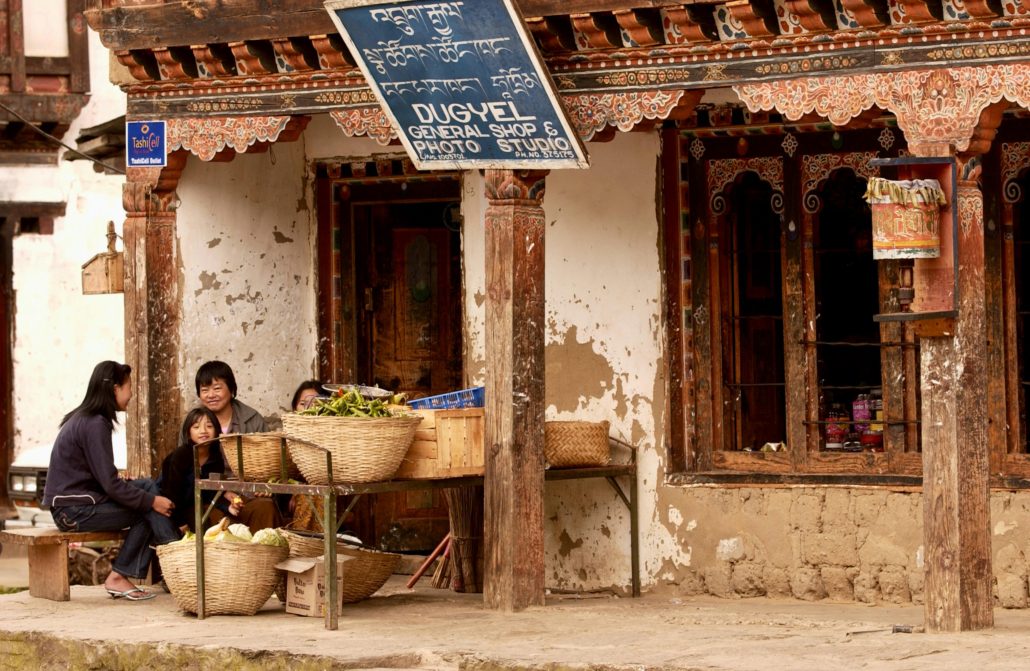 In a small, remote village located in the colossal Himalayan mountains lives a Bhutanese family of four. They are looking to prepare a scrumptious dinner; however, due to the dearth of fresh, nutritious food and an unpredictable harvest, they only have a small portion of rice and a few chilis and spices to share. This is the harsh reality for many families across the seemingly serene and majestic kingdom of Bhutan.
Located in the heart of the Eastern Himalayas, this nation is celebrated by many across the planet for its grand alpine landscapes and rich Buddhist heritage. However, despite a population 10 times less than that of New York City, along with its innovative “Gross National Happiness” index, hunger in Bhutan still remains a significant issue. This is mainly due to the tremendous mountainous terrain that makes up 99% of its land, its reliance on imports for food and severe climate challenges in the region.
What Is the Problem?
In Bhutan, 86% of the population does not consume the recommended amount of fruits and vegetables, while 27% of households cannot afford a diet that meets their routine nutritional needs. These issues are clearly impacting the health of women and children, especially. According to the Global Hunger Index, 44% of children under the age of five have anemia, while the Global Nutrition Report claims that this same disease afflicts around 40% of women of reproductive age.
There are a few main reasons for this hunger in Bhutan: the difficult alpine landscape of the Himalayas, the country’s significant reliance on food imports and overall extreme climate conditions. Due to the heavy mountainous terrain, less than 3% of the nation’s land is suitable for agriculture, making farms small and often inaccessible, especially for rural families. This has resulted in the kingdom importing around 50% of food from countries such as India, making it more expensive and less fresh due to longer transportation lines and external taxes. Additionally, Bhutan lies in one of the most seismically active regions of the planet, making it much more prone to extreme weather conditions. From floods and landslides to earthquakes and forest fires, the country’s natural disasters have caused much damage to the already low levels of agriculture.
Efforts To Reduce Hunger
Yet, despite all the adversities from nature, the government and external organizations have undertaken many initiatives to alleviate the problem of hunger in Bhutan.
- The “One Child, One Egg” Initiative: Collaborating with the Food and Agriculture Organization (FAO) of the United Nations, the country has implemented a “One Child, One Egg” initiative in which every school-attending child will receive one free egg through locally-sourced supply chains in an effort to combat hunger. The Prime Minister officially launched the program in February of 2025 with a budget of around $2 million USD, and as of 2026, it has impacted more than 32,000 children and 343 schools.
- Self-Sufficiency Goals: The country aims to achieve much greater food self-sufficiency by 2029 by emphasizing local rice and vegetable production. Its main strategy is an agroecological roadmap that combines practical infrastructure enhancements with sustainable agricultural practices. This blueprint involves the improvement of irrigation systems, expansion of markets for local produce, reutilization of unused farmland and providing farmers with digital tools for weather forecasts, among many other efforts.
- External Efforts: Additionally, the country has welcomed and supported efforts by many organizations, such as the World Food Program, to combat malnutrition. The organization is specifically assisting the government in nutritional education within schools, supporting Bhutan’s agricultural market by boosting demand for local food and building resistance to natural disasters through better national coordination and communication.
The actions that the government and organizations took ultimately adhere to Bhutan’s “Gross National Happiness” philosophy, which prioritizes citizens’ well-being and collective happiness. Clearly, these efforts have been fruitful as stunting rates for children under the age of five have decreased more than 30% in the past 25 years.
Looking Ahead
While hunger in Bhutan has significantly improved and is clearly being prioritized by the government and nonprofits, it hasn’t disappeared. Due to the hardships nature has caused to the country’s food industry, continued investment in agriculture, nutrition and infrastructure is essential to improve its current state of food security. However, the kingdom has proven to be on the right track, and by continuing to strengthen its agricultural sector and vulnerable communities, the country can move closer and closer to eliminating hunger once and for all.
– Tanish Peddi
Tanish is based in Westford, MA, USA and focuses on Global Health for The Borgen Project.
Photo: Unsplash
