• Link to X
  • Link to Facebook
  • Link to Instagram
  • Link to TikTok
  • Link to Youtube
  • About
    • About Us
      • President
      • Board of Directors
      • Board of Advisors
      • Financials
      • Our Methodology
      • Success Tracker
      • Contact
  • Act Now
    • 30 Ways to Help
      • Email Congress
      • Call Congress
      • Volunteer
      • Courses & Certificates
      • Be a Donor
    • Internships
      • In-Office Internships
      • Remote Internships
    • Legislation
      • Politics 101
  • The Blog
  • The Podcast
  • Magazine
  • Donate
  • Click to open the search input field Click to open the search input field Search
  • Menu Menu
Blog - Latest News
Global Poverty, Sanitation, Water

The Water Crisis in Sub-Saharan Africa
water_crisis_sub_saharan
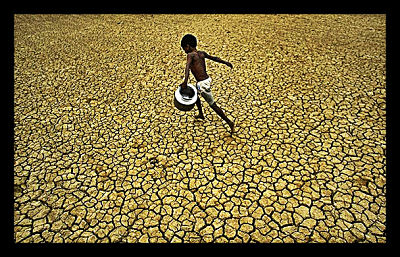
Water is a necessary means for survival. Water covers two-thirds of planet Earth. The human body consists of 75 percent water. Water is involved in all bodily functions including digestion, respiration, maintaining body temperature, and adequate performance of all bodily functions. Early civilizations developed around easily accessible clean drinking water sources. Water is vital to life; that is a given. But what if accessing clean drinking water was not as easy as turning on the faucet, or opening a bottle of Dasani? The continuing water crisis in sub-Saharan Africa proves that this kind of access is not always so easy.

Water scarcity is a tragic reality for many regions of the world. Astoundingly, 85 percent of the world’s people live in the driest regions of the world. According to UN Water, 783 million world citizens do not have access to clean water. Among that demographic, 6 to 8 million die every year from water related disasters and diseases. Incredibly, in the year 2000, 2.4 billion people lacked access to water sanitation, and 1.1 billion lacked access to fresh water sources. The populations suffering the most are in rural, poor areas of the world.

The most common water related diseases occur due to lack of sanitation. According to Dr. Lee Jong-wook, Director General at World Health Organization (WHO), “Water and Sanitation is one of the primary drivers of public health,” and refers to water and sanitation as “Health 101.” Jong-Wook further explains that if communities secure access to water and sanitation, “a huge battle against all kinds of diseases will be won.” Two of the deadliest water and sanitation related diseases are diarrhea and malaria.

According to data by World Health Organization, the four driving factors in the water and sanitation crisis are: access to water supply and sanitation, sanitation gap, emergencies and disasters, and water resources.

The sanitation gap refers to an increase in population growth combined with low sanitation development growth. The number of people with access to hygienic sanitation facilities, such as toilets and hand washing tools, has declined slightly since the 1990s because construction cannot keep up with population growth.

Floods and drought are the most dangerous water-related disasters. Flooding causes contamination of drinking water, and destructed systems of hygiene and wastewater. Droughts cause the most death because they can initiate malnutrition and deny the community a water supply. 66 percent of people dwelling in sub-Saharan Africa live in areas of little to no rainfall which often results in failed vegetation and agricultural efforts. More than 300 to 800 sub-Saharan Africans live in a water-scarce location.

Water resource development is the key to helping world citizens fulfill the basic human right of accessing clean water. As former United Nations Secretary General Kofi Annan stated, “Access to safe water is a fundamental human need and therefore a basic human right.”

– Laura Reinacher

Sources: Rights to Water and Sanitation, UNICEF, UN Water
Photo: Because water

October 4, 2013
Share this entry
  • Share on Facebook
  • Share on X
  • Share on WhatsApp
  • Share on Pinterest
  • Share on LinkedIn
  • Share on Tumblr
  • Share on Vk
  • Share on Reddit
  • Share by Mail
https://borgenproject.org/wp-content/uploads/borgen-project-logo.svg 0 0 Borgen Project https://borgenproject.org/wp-content/uploads/borgen-project-logo.svg Borgen Project2013-10-04 20:31:562024-05-25 00:23:17The Water Crisis in Sub-Saharan Africa

Get Smarter

  • Global Poverty 101
  • Global Poverty… The Good News
  • Global Poverty & U.S. Jobs
  • Global Poverty and National Security
  • Innovative Solutions to Poverty
  • Global Poverty & Aid FAQ’s
Search Search

Take Action

  • Call Congress
  • Email Congress
  • Donate
  • 30 Ways to Help
  • Volunteer Ops
  • Internships
  • Courses & Certificates
  • The Podcast
Borgen Project

“The Borgen Project is an incredible nonprofit organization that is addressing poverty and hunger and working towards ending them.”

-The Huffington Post

Inside The Borgen Project

  • Contact
  • About
  • Financials
  • President
  • Board of Directors
  • Board of Advisors

International Links

  • UK Email Parliament
  • UK Donate
  • Canada Email Parliament

Get Smarter

  • Global Poverty 101
  • Global Poverty… The Good News
  • Global Poverty & U.S. Jobs
  • Global Poverty and National Security
  • Innovative Solutions to Poverty
  • Global Poverty & Aid FAQ’s

Ways to Help

  • Call Congress
  • Email Congress
  • Donate
  • 30 Ways to Help
  • Volunteer Ops
  • Internships
  • Courses & Certificates
  • The Podcast
Link to: What is the OECD? Link to: What is the OECD? What is the OECD? Link to: Posner Center for International Development Link to: Posner Center for International Development Posner Center for International Development
Scroll to top Scroll to top Scroll to top