Being Poor in Iraq: Work, Family and Recovery
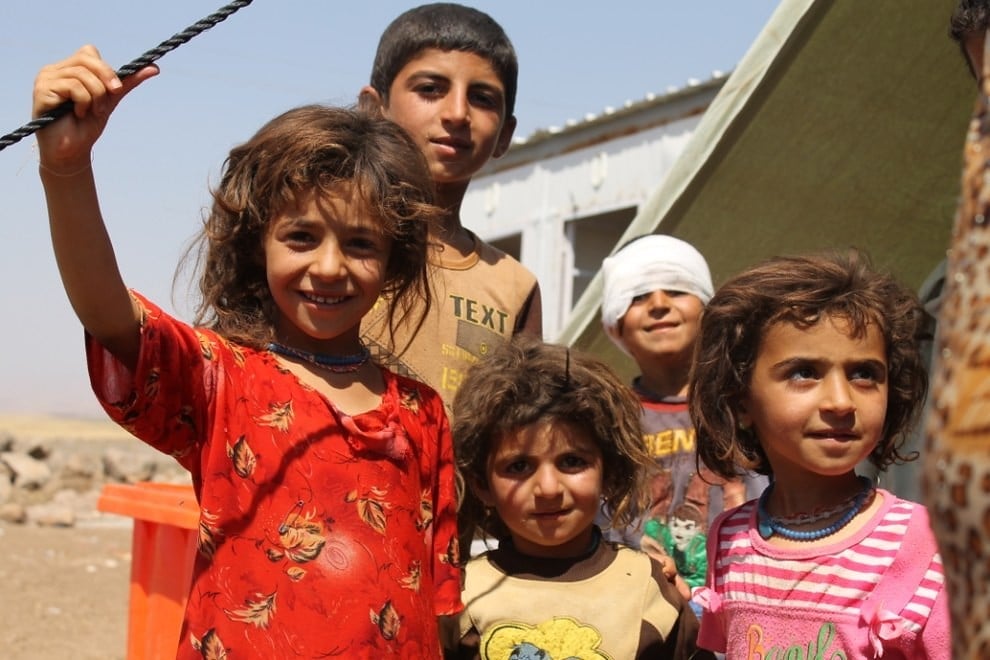 Being poor in Iraq can mean struggling to find secure work while meeting the costs of food, housing and children’s education. The Iraqi Ministry of Planning reported a national poverty rate of 17.5% from its household survey conducted at the end of 2024. Poverty varies across the country, and the ministry identified Al-Muthanna as the governorate with the highest rate.
Overreliance on Oil
Iraq’s abundant oil reserves provide an important source of export earnings and government revenue. A 2026 World Bank assessment estimates that oil accounts for 91% of merchandise exports. This dependence leaves the economy exposed to changes in oil prices and disruptions to production and trade. Oil wealth alone does not guarantee secure employment across the wider economy.
A 2024 International Monetary Fund report highlights the challenge of turning economic resources into broader employment opportunities. It describes a labor market in which many people work outside registered businesses and face barriers to obtaining social protection. Being poor in Iraq is therefore connected not only to whether someone has work, but also to the security and protection that work provides.
The Reality of Informal Work
Iraq’s 2021 Labor Force Survey found that 54.8% of total employment was in the informal sector. This is a share of employment, not a share of the entire Iraqi population. The International Labour Organization separately reported that informal jobs, including those within the formal sector, accounted for 66.6% of employment. The two measures describe related but different aspects of the labor market.
Informal work can include construction, farming and street vending. Without reliable contracts or fixed earnings, households may struggle to plan for everyday expenses or cope when a family member becomes ill. For some families, this pressure extends to their children’s education.
The International Rescue Committee surveyed 211 households in five neighborhoods of East Mosul. In that local survey, 90% of caregivers reported having one or more children engaged in labor. Additional surveys involved 265 children identified as working. Among the children surveyed, 85% reported feeling unsafe at work, while around 75% worked in informal and dangerous roles such as collecting trash or scrap metal and doing daily construction labor. These findings describe the surveyed communities, rather than all Iraqi households.
Umm Abdullah, a displaced woman living in a camp in northern Iraq, offers one example of the pressures families face. In 2025, she told The New Arab that her sons, Abdullah and Mohammed, had left school to work after their father became too ill to provide for them. Their experience illustrates how illness and poverty can disrupt education and make children’s earnings part of a household’s survival.
Supporting Livelihoods
Relief International is one organization supporting economic recovery in Iraq. Its country program describes small grants to help establish businesses and cash-for-work activities intended to regenerate local markets and support displaced people’s return. These efforts aim to help families rebuild livelihoods alongside meeting immediate needs.
For 2023, Relief International reported that its projects increased the incomes of 839 people and created 195 jobs for people in vulnerable situations in Iraq. These are results from that year, rather than a current count of everyone the organization supports. They show the contribution of a specific program without suggesting it can resolve poverty nationwide.
Being poor in Iraq remains a challenge shaped by insecure employment, family circumstances and access to services. Livelihood support can help people earn income and regain stability. Lasting progress also depends on widening access to secure jobs and helping children remain in school, so that families have alternatives to relying on dangerous or unpredictable work.
– Ella Leffler
Ella is based in Frankfurt, Germany and focuses on Technology and Solutions, Global Health, and Politics for The Borgen Project.
Photo: Flickr
