Solar Irrigation in Mexico Helps Maya Women Build Resilience
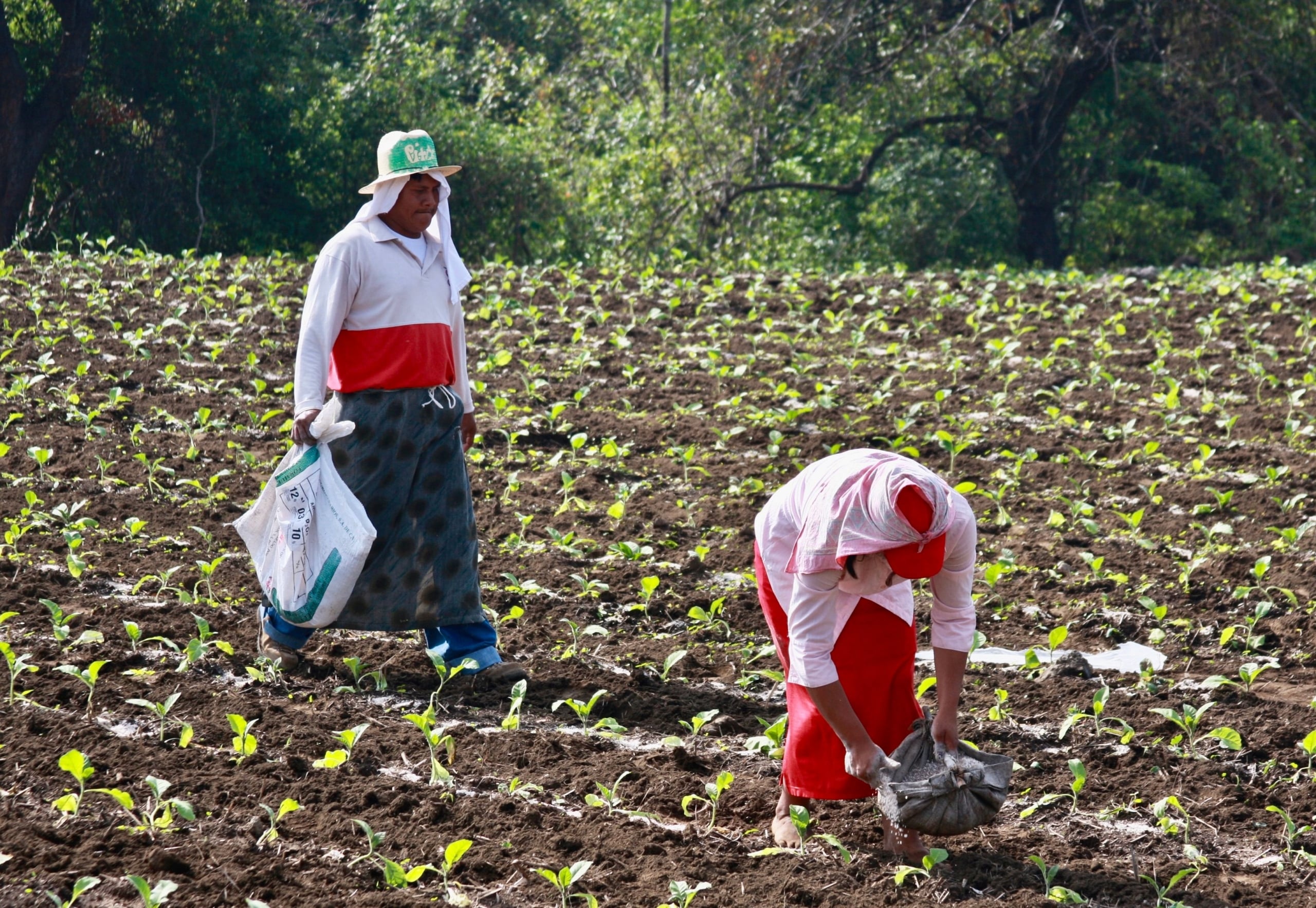
For Maya women in the Yucatán Peninsula, solar irrigation in Mexico may help protect agricultural livelihoods from unpredictable rainfall and drought. The Commission for Environmental Cooperation documents an initiative led by the Túumben K’óoben cooperative that combines solar technology, water access and technical training to help rural communities respond to climate pressures.
These opportunities matter in a country where 65.2% of Mexico’s Indigenous population lived in poverty in 2022, according to Mexico’s National Council for the Evaluation of Social Development Policy (CONEVAL). This national figure provides context; it does not measure poverty among project participants.
Why Climate Change Makes Poverty Harder to Escape
Research with Maya farming communities has found that changing rainfall patterns can reduce milpa yields, limit cultivated areas and threaten crop diversity, increasing food insecurity. For households relying on agriculture, poor harvests can mean less food and lower earnings. Limited savings and credit can make it harder to adapt or recover from climate shocks.
Research with Maya farming communities has found that changing rainfall patterns can reduce milpa yields, limit cultivated areas and threaten crop diversity, increasing food insecurity. For households relying on agriculture, poor harvests can mean less food and lower earnings. Limited savings and credit can make it harder to adapt or recover from climate shocks.
Solar irrigation may help by making water available when rainfall is unreliable. Its benefits depend on access to suitable equipment, financing and sustainable water sources.
Solar Irrigation Cuts Costs and Creates Income Opportunities
Solar panels power pumps that draw water from wells or other sources. By reducing reliance on gasoline-powered pumps, solar irrigation can lower fuel costs and make watering crops more affordable.
The Food and Agriculture Organization (FAO) reports that irrigated land accounts for 48% of global crop value despite representing 23% of cropland. Average yields on irrigated land are 76% higher than on rainfed land.
The CEC reports that Túumben K’óoben held four solar-energy workshops that trained at least 80 women and implemented a pilot to market 50 solar-powered lighting systems and four solar-powered irrigation pumping systems. The initiative aimed to involve about 150 women, 100 men and 50 young people. Direct beneficiaries included Sotuta, Yucatán, and communities in Felipe Carrillo Puerto, Quintana Roo.
A 2026 study in Sci examined an autonomous photovoltaic pumping system for an isolated agricultural community in Mexico’s Mixteca Poblana region. Its financial model estimated annual gross revenue of about 94,168 Mexican pesos from one hectare of forage maize across two growing cycles. It estimated annual production costs of about 21,548 pesos and an initial investment of about 111,275 pesos, including pumping equipment and first-year operating costs. The model projected break-even in the second year.
A separate solar-pumping project supported by Sostenibilidad Global AC in Maní, Yucatán, also aims to reduce energy costs for Maya farming households. These examples show how solar technology could support production, although outcomes depend on local conditions, crops and market access.
How Technical Skills Help Women Lead Climate Adaptation
The CEC initiative includes workshops to strengthen women’s solar-technology knowledge and system-management skills. The Honnold Foundation lists solar education and installation training for 80 Maya women, alongside access to solar irrigation and lighting for 30 households and 18 additional farmland plots, among the partnership’s reported impacts. These figures should not be added to the CEC totals; the sources do not establish that the participant groups are distinct.
Research in Gender, Place & Culture highlights how Maya women’s agricultural knowledge, food cultivation and home gardens help sustain families and preserve traditional practices. It provides context on women’s livelihoods, not measured outcomes from solar irrigation.
Why Solar Irrigation Needs Sustainable Water Management
Solar irrigation cannot eliminate drought or guarantee harvests. The World Bank identifies benefits and risks: solar pumps can reduce conventional energy use and operating costs, but cheaper pumping may encourage greater water extraction.
A 2025 Frontiers in Water study, based on surveys with 88 farmers and interviews with 12 experts in Yemen’s Sana’a Basin, also warned that solar irrigation could pressure vulnerable groundwater resources. Although the study concerns Yemen, it illustrates the need to pair renewable energy with water governance. In Yucatán, where groundwater is a major source, monitoring and sustainable use are essential.
Community Ownership Connects Climate Resilience and Poverty Reduction
Climate pressures can threaten harvests and earnings, while reliable irrigation may help sustain cultivation and reduce operating costs. The CEC initiative documents local investment in solar systems and women’s training, while broader agricultural evidence supports the importance of water access. The available sources do not establish that these initiatives have increased incomes or reduced poverty among Maya women in Yucatán.
Long-term benefits depend on affordable equipment, training, maintenance and responsible water management. Solar irrigation is not a standalone solution to poverty, but it may help communities manage climate-related livelihood insecurity when systems are locally managed and suited to available water resources.
– Zeba Vagh
Zeba is based in Melbourne,Victoria, Australia and focuses on Technology and Solutions for The Borgen Project.
Photo: Pexels
