How Clean Cooking Technologies Can Help Reduce Global Poverty
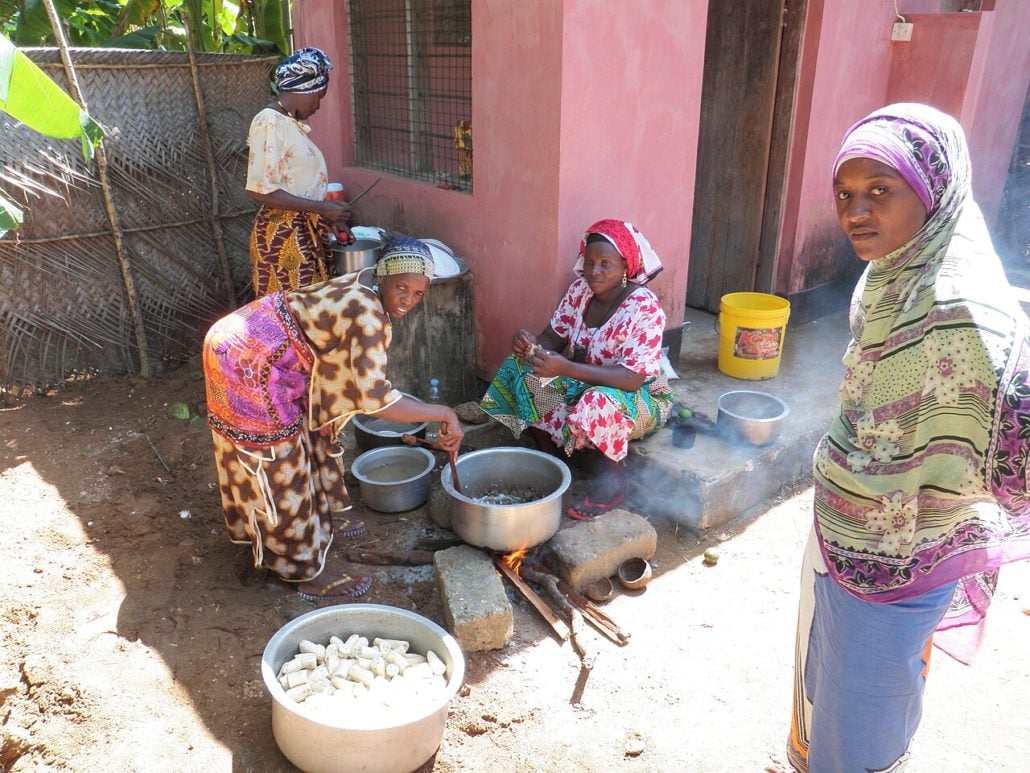
For millions of families throughout the world, cooking a meal can be more than gathering a few ingredients and turning on the stove. For example, families who cook with wood must find the right wood, build the fire, burn it, manage the smoke at the right point and place the food to let it cook. This process is extremely time-consuming and unhealthy, mainly for families who rely on it for every meal of the day. The World Health Organization (WHO) estimates that around 2.1 billion people worldwide cook using open fire or inefficient stoves that use polluting fuels. Household air pollution contributed to an estimated 2.9 million deaths in 2021.
Clean Cooking
Clean cooking refers to cooking technologies and fuels that meet health-based emissions standards. According to WHO, these include electricity, solar, liquid petroleum gas (LPG), natural gas, and ethanol, while some advanced biomass cookstoves can also qualify when they meet WHO’s standards.
However, easy access to clean cooking remains hard for some families, especially those living in poverty. In 2023, approximately 2.1 billion people still relied on polluting fuels and technologies for cooking. The World Bank reported that global access to clean cooking was 74% that year, but progress has slowed significantly. Many low-income families’ biggest barrier remains affordability.
The Health Effects of Polluting Fuels
When people burn solid fuels inefficiently, the process releases harmful pollutants. These pollutants include fine particulate matter that can travel deep into the lungs and enter the bloodstream. Long-term exposure to this household air pollution is associated with several diseases. Some include:
- Stroke
- Ischaemic heart disease
- Acute lower respiratory infections
- Chronic obstructive pulmonary disease (COPD)
- Lung cancer
Women and Children: Effects on Health and Time
In many communities, women and children spend more time on household chores and collecting the cooking fuel or the wood, increasing their exposure to smoke. Due to this reason, they bear a disproportionate share of the health burden from household air pollution. Gathering fuel can cause physical exhaustion and musculoskeletal injuries. For women and children, it can also eat away valuable time that could go toward education, paid work, childcare or other productive activities.
Connection Between Cooking and Poverty
The International Energy Agency reported that Kenya increased clean-cooking access from 10% in 2013 to 31% in 2023. However, 69% of households still relied on polluting fuels. In rural areas, 84% of households used traditional biomass stoves, and 79% of rural households used three-stone stoves. More than 60% of Kenyan households spent at least 7.5 hours per week collecting and preparing fuel. These fuel-collection demands can create a burden for households with limited financial resources, especially in rural areas where access to clean cooking remains low.
Pay-as-You-Go LPG in Nairobi
One approach to this problem comes from Nairobi, Kenya. Pay-as-you-go (PAYG) LPG systems allow households to purchase cooking fuel in smaller increments instead of paying the entire cost upfront.
Making Transition Easier
Nairobi families faced difficulty affording LPG because traditional cylinders need a large upfront payment. PAYG technology allowed families to buy fuels in smaller increments through smart mobile payments.
Results of Pay-as-You-Go LPG System
The PAYG LPG program addresses the high upfront cost that can make clean cooking fuels difficult to adopt for lower-income households. The program has displayed measurable results. Researchers analyzed data from 426 PayGo Energy customers in Nairobi from January 2018 to June 2020. During COVID-19, 95% of customers who were active at the beginning of the lockdown continued using PAYG LPG. LPG consumption among the households increased from 1.12 to 1.22 kilograms per person per month, while the number of daily cooking events increased by 60%. The same WHO report compared these households with a group in Eldoret that did not have access to PAYG meters. Those households, which had to purchase LPG in larger quantities, reduced their average LPG use by 75% during lockdown.
Making Clean Cooking More Accessible
The Nairobi case does not mean that PAYG LPG will work identically in every community. The system addresses affordability by allowing households to purchase LPG in smaller increments. Other communities may require different strategies based on their infrastructure, resources and needs.
A Healthier Way Forward
Clean cooking connects several global development priorities, including health, economic opportunity and poverty reduction. However, expanding clean cooking access requires more than introducing a new technology. Communities need solutions that families can afford, access reliably and incorporate into their daily lives. When the transition is made easier, clean cooking can be a part of every family’s daily lives.
– Lalitha Maddirevula
Lalitha is based in Downingtown, Pennsylvania, US and focuses on Technology and Solutions, and Global Health for The Borgen Project.
Photo: Wikimedia Commons
