The Maternal and Child Health Crisis in Nigeria
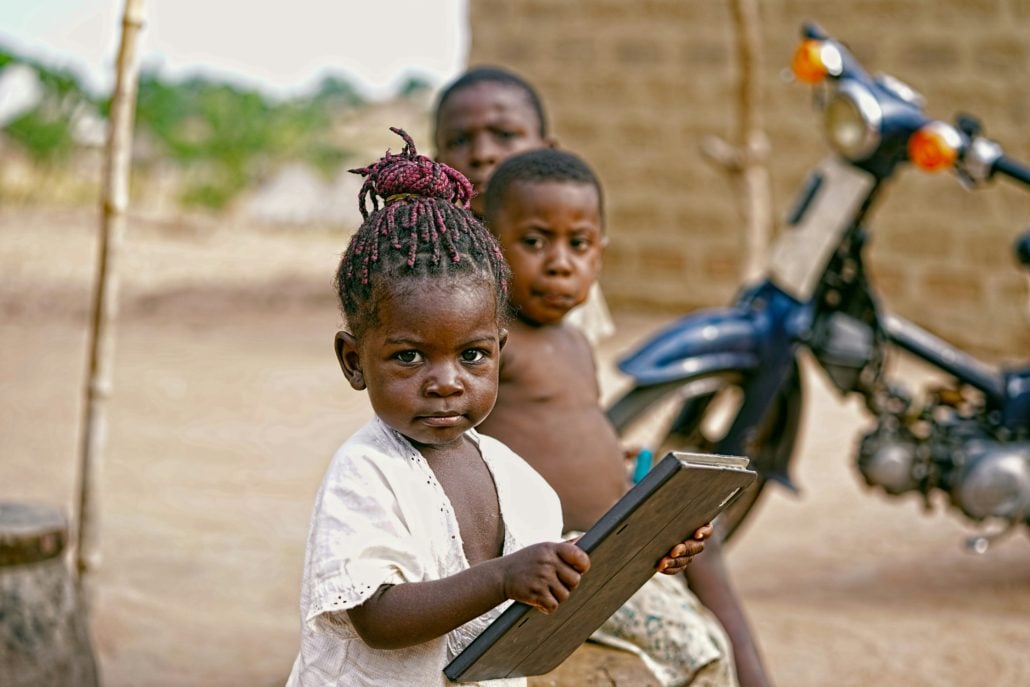
The West African country of Nigeria is classified as a ‘high burden’ country due to it disproportionately high rate of maternal and child mortality. According to UNICEF, Nigeria accounts for 10% of global maternal deaths, despite representing only 2.4% of the global population. UNICEF also reports that the mortality rate for children under 5 in Nigeria stands at 12.8%.
Despite these challenges, U.S. Maternal and Child Health (MCH) funding—defined as targeted government assistance to promote maternal and child health abroad—has decreased. Tracking data from the Kaiser Family Foundation (KFF) shows that U.S. MCH funding to Nigeria fell from $50 million in 2017 to $33.25 million in 2023, representing a 35% decline. A 2026 study in Health Policy and Planning estimates that the abrupt withdrawal of USAID health funding could increase maternal mortality by 45% on average among populations in need across six vulnerable West and Central African countries, with Nigeria experiencing the largest absolute increase — more than 300 additional maternal deaths under the study’s model. Here is more information about the maternal and child health crisis in Nigeria and what is being done to address it.
How US MCH Funding Saves Nigerian Lives
Reduced funding directly affects health care delivery in Nigeria’s rural communities. The African Health Report documented the case of Aisha Yusuf, a 28-year-old woman in labor who nearly lost her baby while traveling 18 miles to a hospital because a local clinic lacked delivery equipment. An anonymous health care worker at the receiving hospital reported that a single staff member often cares for dozens of patients per shift, frequently without electricity. Yusuf’s experience reflects broader systemic issues in Nigeria’s local health care facilities, namely lack of equipment, resources and staff.
These operational insufficiencies highlight the critical role of international assistance in reinforcing local health care systems. Yusuf’s experience illustrates the kinds of health-system gaps that maternal and child health investments can help address. Consistent U.S. MCH funding provides essential resources to equip local clinics, ensuring they can deliver safe and reliable care to expectant mothers.
Securing US Interests Through Health Investment
In addition to direct health outcomes, MCH funding supports U.S. security and economic interests. Regarding security, Nigeria is the most populous nation in Africa, with more than 240 million residents—a figure projected to reach 370 million by 2050. World Bank President Ajay Banga stated that a failure to invest in this demographic, particularly through health care initiatives like MCH, could weaken Nigeria’s state capacity. This capacity represents the government’s ability to distribute resources, implement policies and serve citizens. Weakened state capacity increases the risk of instability, conflict and migration crises, which can directly affect global security.
From an economic perspective, healthier populations are better positioned to participate in education, employment and economic activity. Over time, stronger human capital and economic growth can expand consumer demand and create opportunities for trade and investment with the United States. Economic models indicate that a larger middle class increases domestic purchasing power, creating a stronger market for U.S. goods and services. Consequently, current MCH investments help build a stable international consumer base that supports U.S. economic competitiveness and trade development.
Actionable Solutions to Maternal and Under-Five Mortality
A study in Health Policy and Planning suggests that a 1% increase in the Nigerian government’s health care expenditure can address the maternal and child health crisis in Nigeria and lead to a 37% reduction in the country’s maternal mortality. U.S. MCH funding to Nigeria can help achieve this 1% increase, especially if U.S. foreign policy hones the following critical strategies.
Targeted Strategies for Maternal Health
- Infrastructure and Medical Equipment: Funding should support the planned implementation of essential health care infrastructure and trained personnel. According to obstetric guidelines, countries should have at least five emergency obstetric care facilities per 500,000. These facilities must remain open 24/7 and have staff trained to administer uterotonic drugs for hemorrhages and basic neonatal resuscitation. The Tropical Journal of Obstetrics & Gynecology found that all 36 Nigerian states have fewer than four facilities per 500,000, with major metropolitan cities like Ibadan only reporting 1.2 facilities per 500,000.
- Prenatal Vitamin Distribution: Providing continuous access to multiple micronutrient supplements (MMS) is a highly cost-effective intervention. At an estimated cost of $4 per pregnancy, these vitamins can save more than 600,000 maternal lives.
- Broad Economic Sector Funding: Long-term maternal health correlates with overall economic development. A 32-year study spanning 152 countries found that higher gross domestic product (GDP) per capita is directly linked to lower maternal mortality. Consequently, funding should also target higher education, technological innovation, transportation networks like rail links, and stable power infrastructure.
Targeted Strategies for Child Health
- Legislative Support for Nutritional Initiatives: Passing and supporting the Healthy Mothers, Healthy Babies Act of 2026 (H.R. 9583) would establish a $150 million annual fund from fiscal years 2026 to 2030. This fund would also scale low-cost interventions, including MMS, in high-priority nations like Nigeria. Large-scale data from 14 low-income nations indicates that MMS significantly reduces infant mortality, particularly among malnourished mothers.
- Treating Preventable Diseases: Pneumonia, diarrhea and malaria remain the three leading preventable causes of under-5 mortality in Nigeria U.S. assistance can expand the distribution of essential medicines, including prescription antibiotics like amoxicillin, intravenous fluids and artesunate.
- Preventive Malaria Care: Expanding access to intermittent preventive treatment for malaria in pregnancy (IPTp), including sulfadoxine-pyrimethamine, through routine antenatal care can help reduce malaria-related risks for pregnant women and their infants.
Looking Ahead
To change Nigeria’s trajectory as a ‘high burden’ country, consistent U.S. MCH assistance must be administered to bridge local health-system gaps and equip rural facilities. This requires prioritizing cost-effective interventions like MMS, expanding the distribution of basic treatments like intravenous fluids, and building routine antenatal clinics. Such investments in Nigerian MCH will yield substantial benefits beyond health clinics, namely regional stability, protected global security and improved conditions for human capital development and economic growth. Securing the health of mothers and their infants ultimately transforms Nigeria’s humanitarian vulnerability into the foundation of Nigeria’s future stability and prosperous international trade partnerships.
– Caid Campbell
Photo: Unsplash
