Microfinancing Magic in Sierra Leone: SDG 8 in Sierra Leone
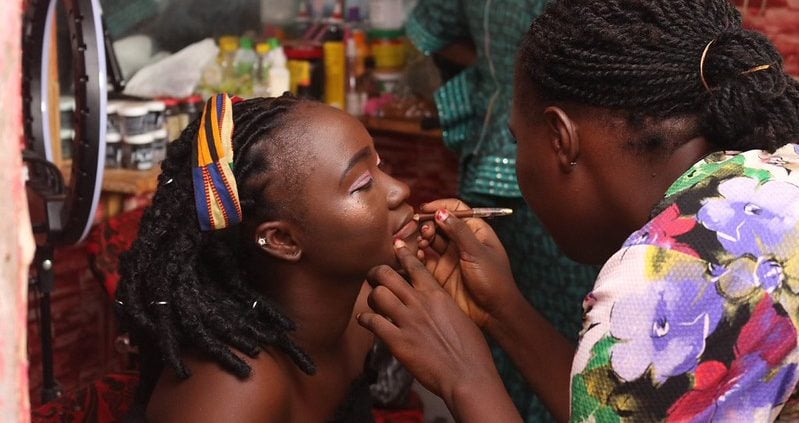 For many women across Africa, a small loan represents more than a week of groceries or rent. In Sierra Leone, more than 56% of the population lives below the national poverty line according to the most recent national household survey, with the rate reaching 60% in rural communities.
Microfinance as a Tool for Change
For low-income businesspeople with limited access to startup funds, even $50 may springboard a successful business venture and help individuals overcome cyclical poverty. Better known as microfinance, this small-scale investment practice rose to fame in the 1970s and has since supported more than 140 million aspiring entrepreneurs across the globe. As a powerful poverty reduction tool, microfinancing success hinges on financial access paired with legal empowerment, consumer protections, and awareness of rights.
One organization actively realizing this goal is L.A.W.Y.E.R.S of Sierra Leone. Short for Legal Access through Women Yearning for Equality Rights and Social Justice, this Freetown-based organization has provided pro bono services to women who need legal support since 1997, reaching more than 10,000 women since its inception. By providing free clinics and defense on family matters, inheritance rights, disease prevention and career opportunities, they are working toward United Nations Sustainable Development Goal (SDG) Number 8 in Sierra Leone: fostering inclusive, ethical work opportunities and economic growth.
Challenges in Microfinance
Despite these advances, recent headlines point to a more complicated reality. A 2019 investigation found that BRAC Sierra Leone, which had 46,500 loan borrowers, charged a 30% interest rate compared to an industry average of 22%. Coupled with unclear loan repayment information, many grantees began entering large debts as costs exceeded their weekly earnings. In an interview with The Borgen Project, L.A.W.Y.E.R.S President and Chairperson Menisa Sesay explained, “You have a lot of women in prison because of these microcredits. You will get someone locked up at the correctional center for as little as $100 debt… two years… three years.”
Even during microfinance court trials, some women have no legal representation due to cost barriers or unawareness of pro bono support. “Others never get the chance to share their business development since receiving the loan,” Sesay added. In these cases, courts receive an incomplete perspective of women’s endeavors and financial circumstances. This is one gap L.A.W.Y.E.R.S is bridging through free and timely legal representation for women in debt.
Education as a Solution
Sesay emphasizes that the main missing microfinance link is borrower education. Sierra Leone’s 2022 Gender Equality and Women’s Empowerment Act guarantees women equal access to credit, financial services, transactions, and financial products as a government priority. However, equal access to credit may not provide an equal shot at success without comprehensive education on loan management, repayment deadlines, credit scores and wage garnishment.
L.A.W.Y.E.R.S has taken a comprehensive approach to mitigating this problem, including the launch of microfinance workshops for new grantees, legal defense for those in peril and counseling for incarcerated women. Most importantly, the firm is drafting legislation to limit imprisonment for petty offenses of this nature, including small debts soon after loan issuance.
Osusu and Community-Based Solutions
Beyond traditional microfinance lies another common trend among Sierra Leone’s informal workers: Osusu. Osusu is a community-based savings practice where citizens pool money together to support one person at a time. It often occurs in markets, with a daily contribution amount and guaranteed payback for those who add to the pot. Alongside formal microfinance loans, traditional systems like Osusu offer another mechanism for expanding financial access, especially when partnered with financial literacy training.
As a lawyer and business owner of three companies, Sesay sees tremendous value in microfinance and its contribution to SDG 8 in Sierra Leone. In her words, “There are vast communities of investments and of need. A high amount of loan entrepreneurs who become successful, so added education for recipients will only improve the program’s success.” With heightened legal protections and greater training for borrowers, she is hopeful that the program will reach its full potential as a driver of opportunity for African women.
– Natasha Agarwal
Natasha is based in Philadelphia, PA, USA and focuses on Good News and Politics for The Borgen Project.
Photo: Flickr
