USAID Programs in Malawi
 Malawi, known as the Warm Heart of Africa, is home to several Bantu ethnic groups, including the Chewa, Lomwe, Yao, Ngoni and Tumbuka. Framed by Lake Malawi and the Great Rift Valley in Southeastern Africa, the country supports a population of 21 million people. World Bank demographic data indicates that 42% of citizens are less than 14 years old and more than 70% live below the national poverty line. For decades, USAID programs in Malawi provided critical support across health and education sectors. As a key bilateral partner, the foreign assistance agency backed healthcare initiatives through the U.S. President’s Emergency Plan for AIDS Relief (PEPFAR) starting in 2006. Twenty years later, Malawi is grappling with recent funding terminations: severe food insecurity due to climate shocks. Partners implementing PEPFAR, such as EGPAF Malawi and Partners in Hope, slashed an immediate 45% of HIV awards.
Shortcomings on Healthcare and Education
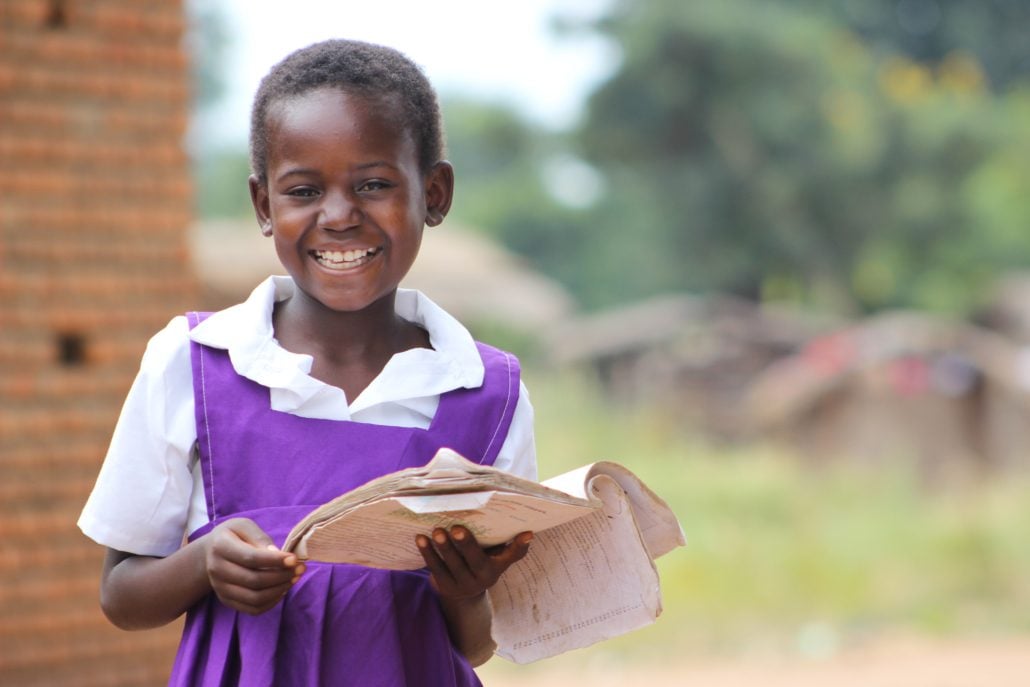
In both education and healthcare, Malawi faces severe resource and staffing shortages, that hinder long-term development and resilience. The nations’ physician density is only around 0.5 doctors per 10,000 patients. With similar underfunding issues, the educations sector closely mirrors these systemic healthcare challenges. Overcrowded classrooms and high student-to-teacher ratios leave schools ill-equipped to support young learners. In rural areas, teachers like Dinesi Namagowa emphasize this in times of disasters, when “learners can’t come to school. Classrooms, toilets, books and teaching materials are often destroyed.” Sometimes, classes are held under trees or inside leaking tents which accumulate into a national struggle with each storm and heavy rain. Returning to healthcare, the rate of new HIV infections is triple the world’s rate: 0.6 in Malawi compared to 0.2 globally, per 1,000 uninfected people, as of 2024.
Navigating Healthcare Transitions
Despite past achievements, recent global funding shifts and administrative adjustments required local healthcare providers to adapt rapidly. Historically, USAID programs in Malawi reached more than 700,000 citizens living with HIV/AIDS while expanding early grade literacy across rural schools. When budget reallocations impacted partner awards, regional health networks mobilized to safeguard these essential community services.
In a study of 72 Malawians, 78% of respondents reported significant currency depreciation and price spikes. Secondary data suggests that 435,000 Malawians could fall into extreme poverty linked to the suspension of aid.
In response, Malawian healthcare leaders and non-governmental partners decentralized care and integrated mobile clinic hubs to ensure uninterrupted treatment for vulnerable populations in rural districts and established new structural agreements.
Bilateral Agreements and Sustainable Solutions
In January 2026, the bilateral framework marked a major milestone by signing a $792 million Health Cooperation Memorandum of Understanding. This strategic arrangement commits $143.8 million annually over five years to combat HIV/AIDS, malaria and other infectious diseases.
Rather than relying solely on parallel donor delivery systems, this framework co-invests directly into Malawi’s domestic healthcare infrastructure. Local non-governmental organizations like Partners in Hope maintain frontline clinic operations to prevent treatment disruptions. Furthermore, community health networks deploying trained local advocates have successfully maintained treatment retention rates above 85% across target districts.
Fostering Long-Term Educational Progress
Educational development remains another vital area where partner support drives lasting change. Prior contributions to Malawi’s education sector generated hard-won gains for student scholarships, classroom construction and the distribution of Teaching and Learning Materials. UNICEF budget briefs highlight that maintaining continuous financial support for primary education shields young demographics from generational poverty risks and keeps children in school. Expanding this progress into secondary schools is an ideal next step for education development in Malawi.
Looking Ahead
By reinforcing community-led clinic operations and expanding sustainable co-investment models, USAID programs in Malawi continue empowering local institutions. Through strong bilateral collaboration and resilient local leadership, Malawi is establishing a durable foundation for long-term health, education and economic growth.
– Sila Elitok
Sila is based in Zurich, Switzerland and focuses on Politics for The Borgen Project.
Photo: Wikimedia Commons
