The Loss of Language in Pakistan
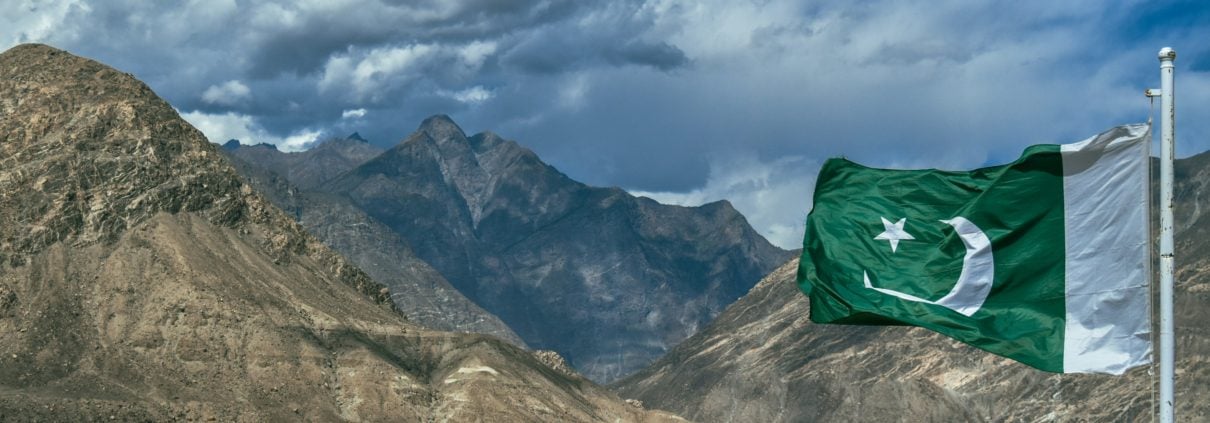 The loss of language in Pakistan is not a new issue. Although Urdu is the national language, Dawn reports that the government has delegated it to the middle and lower classes — effectively leaving a whole generation out of policymaking. This creates a social divide and fosters a sense of alienation among people of the same country. This alienation increases when locals cannot read English signs or names, with literacy rates at only 63%. This loss not only creates problems for the future but also erases years of knowledge within local languages. Balochi, spoken in the largest province of Pakistan, remains endangered despite government efforts such as hosting television shows like PTV Bolan. Balochi has a long history and has shaped the province’s culture immensely. According to Baloch commentators, the province’s neglect stems in part from this erasure, with the government largely overlooking infrastructure and education.
Underrepresentation of the Endangered Languages
This lack of representation separates the province from the rest of the country and leads to increased poverty for locals excluded from lawmaking — a process that remains mostly in English and Urdu at higher levels. Some Baloch commentators describe this as a deliberate erasure of Balochi identity that makes it difficult for people to embrace their Pakistani identity.
Global growth drives language loss in Pakistan for the same reasons languages go extinct worldwide, though the effect is more damaging in a developing country than in most wealthier ones. Roughly 51% of the population cannot speak English, and those who do often do not excel in Urdu, which the education system teaches “like a foreign language.” Balochistan has a multidimensional poverty rate of about 71%, higher than any other province, and has the fewest English speakers, alongside a literacy rate of only 49%. Infrastructure development lags as locals remain largely absent from the governmental system.
Missed Opportunities for the Underprivileged
According to a case study of English and career opportunities at Jazz Digital House Multan, employers consider English an important asset during hiring. However, English is primarily a language of high society, leaving 51% of the underprivileged population at a disadvantage. Khyber Pakhtunkhwa (KP) has around 24 minority languages, and when they are ignored, students cannot receive proper education. Call centers have increased their exports by 19% year over year, according to State Bank of Pakistan data, and have become an important job source. Most call centers communicate in English, creating a barrier for those seeking jobs that do not require advanced degrees. Other workplaces also use English as the recognized professional language, limiting native speakers to minimal job options. The Diplomat argues that in a poorly governed country with high illiteracy, expecting people to communicate in “a dissimilar language” is an extreme burden.
Loss of Culture and Identity
Much as Persian gave way to English during the British colonial era, there has been a similar loss of culture and identity among young Pakistanis today. Dawn emphasizes the importance of diversity, arguing that even amid global efforts to build a unified culture and language, preserving local vernaculars remains essential. Such preservation could help counter the country’s stunted growth and the loss of community identity and richness.
Future Prospects
Some efforts have been made to conserve local languages. The previous prime minister directed officials to deliver their speeches in Urdu at national and international forums. Institutes such as Idara-e-Taaleem-o-Aagahi (ITA) have collaborated with the People’s Action for Learning (PAL) Network to preserve local languages and document cultural artifacts, balancing preservation with global growth. Together, they have established 60 libraries with 200 publications, often in seven different languages, and research on Wakhi, Khowar, Saraiki and Dhatki found that each has its own script. Although Pakistan is undergoing a language tragedy, the government and native people may be able to minimize this loss through collaboration. Many artisans and local businesses rely on their mother tongue; if policymakers safeguard the rights of these languages and integrate them into modern society, many people may move from marginal jobs into a more secure market, eventually helping reduce global poverty.
– Eshal Fatima
Eshal is based in Lahore, Pakistan and focuses on Global Health and Politics for The Borgen Project.
Photo: Unsplash
