Empowering Fishing Communities in Mozambique
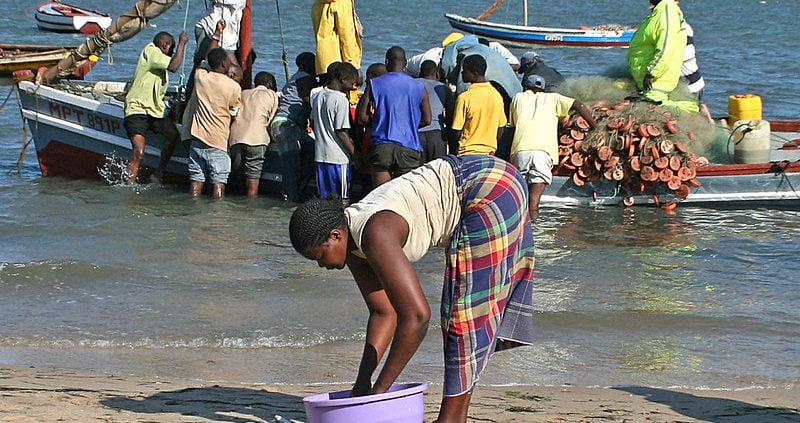 In 2022, 81.4% of the population of Mozambique lived below the $3-a-day international poverty line, many of them in rural areas with limited industry opportunities. The Southeast African nation is home to 600 fishing communities spread across its coastline of more than 2,500 kilometers, and approximately 350,000 people rely on fishing as a source of income or food. From 2020 to 2024, fishery production increased from 390,587 to 502,895 metric tons. However, small-scale fisheries have struggled to finance necessary facilities and have called for more authority to enforce regulations locally. In the face of these difficulties, a community-focused management approach could be the way forward.
Mozambique Battles Food Insecurity
Mozambique faces food insecurity, with 1.2 million people experiencing high levels of acute insecurity categorized as phase three, “Crisis,” or above by the Integrated Food Security Phase Classification (IPC). Changeable weather conditions contribute, as rainfall and dry spells throughout the 2025 to 2026 agricultural season destroyed more than 300,000 hectares of crop-growing land and increased food prices. Improving fishery production could provide a pathway to better food security and transform livelihoods and opportunities in rural fishing communities in Mozambique.
Community Fishery Councils: Power to Local Collectives
Community Fishery Councils (CCPs) play a significant role in managing fishing at a local level. They help government fishing authorities effectively monitor and regulate fishing activities, promote sustainable practices and mediate conflict within their fishing communities. The impact of this local authority is significant. In Cabaceira Pequena, CCPs have implemented controls and closures of fishing grounds to allow regeneration of fish levels. This sustainable practice leads to a greater yield during fishing seasons and greater food security for the community.
In 2020, Mozambique’s government recognized CCPs as official legal entities, granting them powers to co-manage and share regulatory and decision-making authority. This encourages fishing communities in Mozambique to take ownership of their productivity and collaborate with authorities for effective management that will allow their industry to thrive.
The Smart Fisheries Co-Management Project
The Food and Agriculture Organization of the United Nations has pioneered the Smart Fisheries Co-Management Project (SFC), which has been a major support to the activities of CCPs. Operating in Mozambique from 2021 until 2026, the project aims to promote effective co-management and collaboration between CCPs and governmental authorities, fostering sustainable use of resources and improved livelihood opportunities in rural fishing communities.
SFC worked closely with communities in Vilankulo and pushed for the signing of formal co-management agreements in 2024, further solidifying local empowerment. Activities included a variety of training programs. Some took the form of guidebooks, e-learning courses and in-person trainings that shared knowledge and skills aimed at improving co-management and promoting more efficient running of small-scale fisheries. Others provided practical training for fishing-adjacent livelihoods such as freediving, hospitality and ecotourism, broadening career opportunities beyond traditional roles and promoting local economic development. With support from SFC, the Escola Superior de Hotelaria e Turismo offered a 15-day course to 15 community members, all of whom received official certifications in sustainable tourism practices that enhance their career prospects in a growing industry.
SFC also provided equipment to CCPs that addressed communities’ limitations in fish processing, enhancing productivity and business opportunities. In 2025, it supported the CCPs of Macunhe, Mabandene and Guitine by providing 10 freezers, three motorbikes and 15 cool boxes; these resources enabled better preservation of fish and increased yield from ships spending longer at sea. Indeed, this strengthens Mozambique’s fishing sector and enhances fishing communities’ access to business opportunities.
Looking Forward
Despite the significance of empowered CCPs and the important work of SFC, progress remains to be made. Fisheries’ potential to drive economic growth is underutilized, representing only about 2% of Mozambique’s GDP. Despite their contributions to fisheries activities and adjacent industries, women and young people remain largely excluded from male-dominated CCP management. Proposed 30% inclusion quotas for women and young people in training and fishery management could help address this issue as part of efforts to streamline effective co-management.
– Hannah Rix
Hannah is based in London, UK and focuses on Business and New Markets for The Borgen Project.
Photo: Flickr
