Child Labor in Burkina Faso: What is Being Done to Help
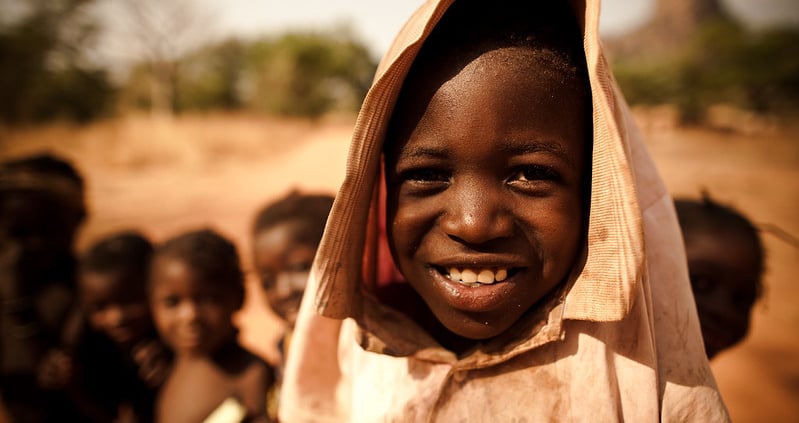 Around 37% of Burkina Faso’s children are exploited for child labor, maintaining one of the higher rates globally, according to the United States Bureau of International Labor Affairs. Continued displacement and insecurity have made struggling families and young children vulnerable to exploitation as they fight to sustain means of survival. Numerous agencies are at work to combat the pressing matter, working in tandem to remove children from these areas while raising awareness of the situation.
Sections of Child Labor
The largest section of child labor is agriculture, specifically within the cotton production system. While the livelihood of these families is a factor that contributes to higher rates of child labor, Burkina Faso shows a division stemming from rural versus urban neighborhoods. Those living in rural neighborhoods are increasingly susceptible to child labor as they face increased challenges to education access and the necessity of working on family farms.
Cotton farming requires intensive labor with long hours of physical work in high temperatures, insufficient pay, rest or nutrition. Economic need largely motivates the high rate of children working in cotton production or agriculture. A report published in Frontiers in Public Health points to the sector’s importance to the country’s economic development, citing the financial benefits from cotton production and sales.
A lack of education, finances and alternative employment options in the rural communities contributes to the many children forcibly working in these cotton factories. The percentage of rural children involved in child labor is more than double urban children, sitting at 42.5% of ages 5 to 14. Each policy and initiative in place aims to counteract at least one or more of these contributing factors, creating the infrastructure and policy that will provide accessible options for these children and families who are struggling.
Solutions
One of the efforts that Burkina Faso is making to eradicate the issue of child labor is through policy reform and law enforcement. To counteract the contributing factors of lacking education and alternative employment, “the minimum age of employment and compulsory schooling has been set at 16 years.” By implementing this, it holds these agricultural sectors and services legally accountable for the children they forcibly employ, allowing the government and law enforcement to take legal action against these institutions.
Compulsory schooling is a necessary change as it keeps children away from the smaller family farms they work at in the poorer and more rural areas. It helps reduce child labor by keeping children in school while improving their long-term employment options.
The CLEAR Cotton project is an initiative that helps children and families forced into labor in the cotton industry. It works as an integrative approach that meets these children’s basic needs and upholds the legislative framework governing bodies have implemented. The project builds community trust as it also aims to work with these affected local communities.
The International Labour Organization (ILO) brief explains that the project achieves this by expanding economic opportunities in these cotton farm districts. It is a way to directly address the lack of alternative employment opportunities.
Lastly, the newly implemented agencies and organizations demonstrate awareness and reform. The Ministry of Civil Service, Labor and Social Protection along with the Ministry of Humanitarian Action and National Solidarity, are in charge of removing these children from exploitative labor and raising awareness of the situation. The National Coordination Committee for the National Strategy Plan to Combat the Worst Forms of Child Labor (CNC-SN/PFTE) is in charge of defining these strategies on what resources to implement with the former two ministries, working in unison to monitor and implement new efforts.
Along with this, mandatory training equips childcare workers and those in positions of authority to recognize and act when they notice a child is involved with forced labor. This includes but is not limited to, “social workers, health workers, magistrates… [and] school teachers.”
Results
The community directly benefits from the combination of infrastructure the project has created and beneficiaries that will help families financially to resolve their pressing economic issues. The project has established 30 community bodies and five child protection networks in response to the recent efforts. This demonstrates the physical and direct change visible in the country as it moves toward reducing and eradicating child labor.
While child labor remains a significant issue, investing in education and child protection services showcases promising progress. Continued government support and outside assistance could help the country save countless children and provide them with a more hopeful future.
– Angelica Ciaravino
Angelica is based in Toronto, Canada and focuses on Good News for The Borgen Project.
Photo: Flickr
