History of Refugee Programs in Albania
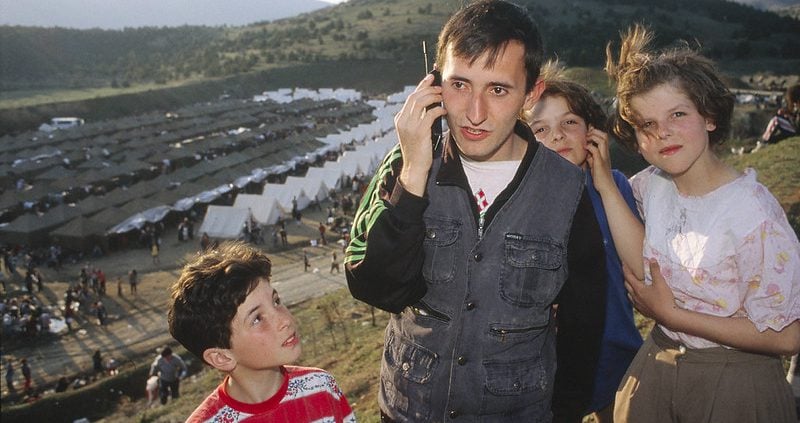 Albania has strived to improve its refugee and asylum seeker welcoming system over the years. The United Nations High Commissioner for Refugees (UNHCR) established its office in Albania in 1991, with operations in the country coordinated through UNHCR’s Representation for Central and South-East Europe (RCSEE), based in Budapest.
The Role of UNHCR
UNHCR partnered with the Ministry of Interior in Albania to improve the asylum system. It also promoted the inclusion of refugees and contributed to addressing the risk of statelessness. Their efforts included conducting a mapping exercise alongside Tirana Legal Aid Society and cooperating with several ministries, INSTAT, and municipalities to identify people at risk of statelessness. In just four months, 1,031 people at risk of statelessness were identified, 97% of whom were children. Relevant ministries, along with the Speaker of Parliament and several members of parliament (MPs), committed to a process of legislative and administrative reform required to end statelessness by 2024.
However, refugees in Albania still encounter challenges such as learning the language, searching for jobs, preparing for interviews, and acquiring new skills. Some refugees even have to beg on the streets for food as they are unable to secure employment, and the funding they receive from the Albanian government is insufficient to sustain them permanently.
Refugee and Migrant Services in Albania (RMSA)
The Refugee and Migrant Services in Albania (RMSA) is one of the current refugee programs in Albania. The Albanian government is not in charge of this program, and it operates independently. It provides psychological, social, legal, and medical services to refugees and asylum seekers in Albania.
UNHCR partnered with RMSA to help refugees find suitable jobs through a job coaching program. This program aims to support and motivate refugees in their job search and the practitioners helping them. It offers refugees all the information they need to get a job in Albania. Practitioners also provide in-person training to help enhance job searching skills.
Benefits for Refugees
Once a refugee enrolls in this program, they receive a “comprehensive guidance document” covering essential information on areas of the job market migrants need to navigate. This includes how to get work permits, write a resume, search for jobs, prepare for interviews, understand finances, and learn about local Albanian culture. Refugees complete personalized assessments to identify areas they excel in and areas needing improvement. They also receive coaching on performing essential tasks like writing a resume and improving interview skills.
The Increase in Immigration
The rate of foreign immigration in Albania has substantially increased over the years. In 2020, the total number of foreigners in Albania was around 13,600, but by 2024, it had reached around 21,940. In 2023, the refugee coaching program received its first graduates.
Overall, refugee programs in Albania have improved over the years as they have developed new initiatives to help refugees and asylum seekers find jobs and integrate into Albanian society. These efforts include tackling statelessness and offering free courses to help secure employment and thrive socially. There has also been a rise in immigration in recent years in the region.
– Bianca Burdulea
Bianca is based in Sunderland, UK and focuses on Good News and Politics for The Borgen Project.
Photo: Flickr
