Elderly Poverty in El Salvador after Bukele
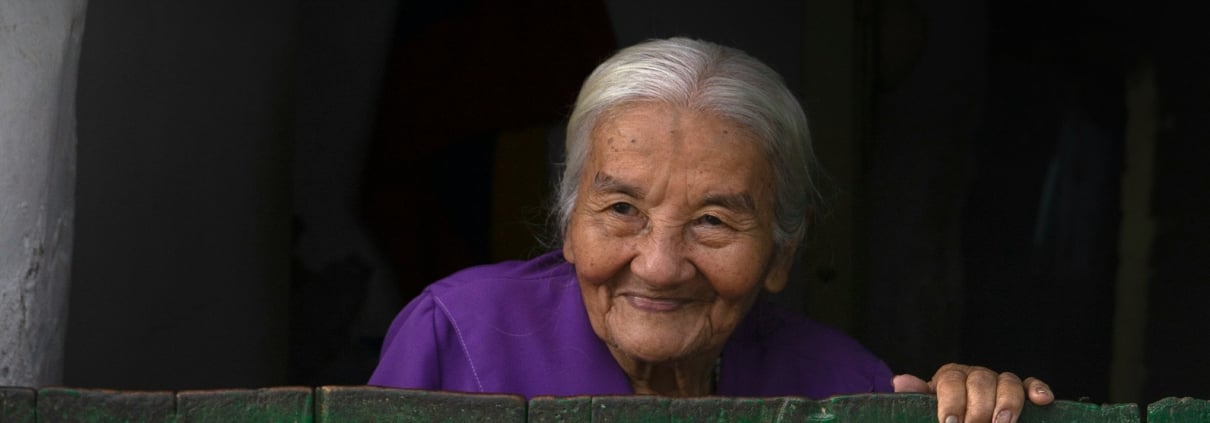 El Salvador is a small country in Latin America that has recently experienced major political and economic changes under its president, Nayib Bukele, who came into office in 2019. Winning nearly 85% of the vote in a February 2024 reelection, made possible after El Salvador’s Supreme Court set aside the constitutional ban on consecutive terms, Bukele has become a symbol of prosperity and stability to many Salvadorans.
However, many Salvadorans have faced economic challenges since Bukele’s presidency. A cab driver in San Salvador told The Borgen Project, “The majority of people do not agree with how the economy is,” attributing this to poor financial education. In a growing economy such as El Salvador’s, elderly people often struggle to find resources, and elderly poverty in El Salvador after Bukele is a complex issue.
El Salvador’s pension system allows many privileged elderly individuals to have more financial stability, and those with pensions experience fewer challenges. An elderly woman with a pension told The Borgen Project, “I do not go out much and I do not talk to anybody and I get money from my pension. There are no changes.” In December 2022, El Salvador’s congress approved pension system reforms to raise the minimum monthly pension and cap maximum payouts, though pension analysts have since described the reform’s long-term sustainability prospects as mixed, and for those who do not have this opportunity, a quickly changing economy can present real obstacles.
Elderly Economic Struggles Under Bukele
Extreme poverty in El Salvador reached 9.6% of the population in 2025, up from 5.5% five years earlier — the third consecutive year of increases, despite the safety the new government provides. Bukele’s interest in luxury creates issues for elderly people who are less mobile because many areas face gentrification in favor of increasing tourism in El Salvador. For those who live by selling goods at the market or by farming and who are not mobile over long distances, gentrification is a serious problem.
The goals of advancement and modernization displace many individuals in El Salvador, including those who have lived in certain areas for long periods of time. Centro Histórico in San Salvador, in particular, struggles with this. Elderly people in the area lose important resources in their communities, and moving can be difficult for disabled individuals, leading them to fall deeper into poverty. The loss of resources is a significant factor in elderly poverty in El Salvador after Bukele.
Healthcare System
El Salvador has a state-sponsored healthcare system that many elderly people use for care. Alfonso, an elderly man who sells fruit for a living, said that he receives care from the hospital and has gone multiple times to get medicine for his arthritis.
Healthcare in El Salvador is free under the Ministry of Health, which provides public services to approximately 70% of the population, primarily those without formal employment. Since Bukele’s presidency, healthcare, including geriatric care, has developed technology such as “Doctor SV,” a new mobile app that allows users to have 24/7 medical assistance. Elderly individuals in poverty in El Salvador who may not have private doctors can contact doctors through this system to seek support. “Doctor SV” remains a vital support system and effort to increase access and eliminate elderly poverty in El Salvador after Bukele.
Elderly Poverty and Extortion From Gangs
Street vending is a common source of income in El Salvador for people of all ages, but it is especially convenient for elderly individuals who need income and prefer more informal work.
However, gangs in El Salvador have historically targeted vulnerable people and forced them to pay taxes to use roads or allow their stores to stay open. Alfonso said that Bukele’s presidency improved his life “because we do not have to pay the daily rent,” which he clarified to be extortion from gangs. Police data showed a 54% reduction in extortion complaints in 2023 compared to the previous year, and the removal of the gang tax is a major improvement in elderly poverty in El Salvador after Bukele. Since Alfonso has arthritis and his children do not provide support, his vending business is the only way he can make money. This is the reality for many elderly individuals.
The reduction of extortion in El Salvador allows elderly individuals to sell goods without daily intimidation and, in doing so, prevents them from facing severe economic challenges. Victoria is an elderly woman who sells fruit in San Salvador, and she told The Borgen Project, “Before Nayib, they [the gangs] made me pay the tax and wanted to force me to leave my house, but now I feel safer selling my goods.”
Organizations That Are Helping
- SimplyHelp: SimplyHelp is a nonprofit that provides housing assistance to elderly people. They built their first women-only shelter in 2003 and one for men in 2004. In 2010, they built a shelter for both men and women that houses 36 people. SimplyHelp provides healthy meals, showers, entertainment, healthcare and funeral services for all residents at no cost to them or their families.
- FUSATE: The Salvadoran Foundation for Elderly People is a nonprofit organization that provides assistance to elderly people in poverty. They provide not only housing, but also health, education and nutrition programs to ensure that elderly people are able to maintain their health and happiness in a safe environment.
Conclusion
Elderly poverty in El Salvador after Bukele is an important issue, and the new government system has the potential to create more communal medical or food programs to provide care for elderly people and assistance to their families to specifically prevent and reduce poverty in the elderly population.
– Amber Mantiply
Amber is based in Silver Spring, MD, USA and focuses on Good News and Technology for The Borgen Project.
Photo: Unsplash
