Innovations in Poverty Eradication in Tuvalu
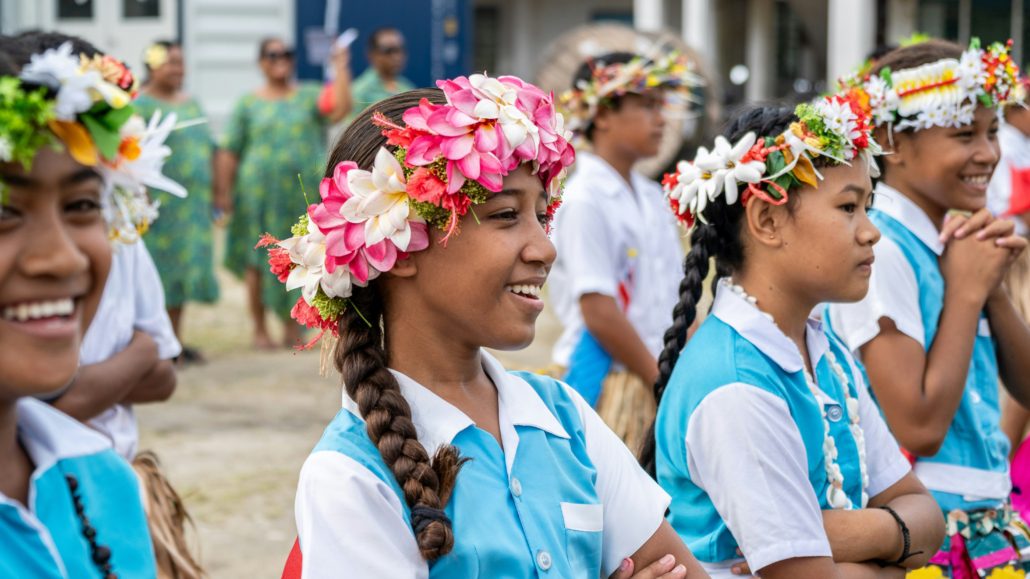 Tuvalu is a small island country in the West Pacific Ocean with a small population and faces unique climate-based challenges with its development. The current basic needs poverty rate in Tuvalu is 21.5%, due to the lack of fertile land and climate-related issues affecting the local population such as many homes and crop farms consistently being damaged from storm surges. The country is especially at risk from rising sea levels and has to rely heavily on outside aid which makes development difficult due to its remote location. However, the government as well as organizations like the UN, has made considerable progress in supporting and funding innovations in poverty eradication in Tuvalu.
Land Reclamation Efforts
One of the ways Tuvalu is tackling climate issues is through reclaiming land. As Tuvalu at its highest point is only 15 feet above sea level, many communities are at risk of coastal erosion because they are too low-lying and a sea level rise as low as 8 inches could make the country uninhabitable in 100 years. A measure to solve this problem organized by the national government and the United Nations Development Program (UNDP) is the Tuvalu Coastal Adaptation Project which began in June 2017.
The project aims to implement protections against coastal erosion and increasingly intense storm and wave activity. This will involve creating 7 hectares of new land designed to withstand storm surges and stay above forecast sea level rises until at least 2100. The project is set for completion in September 2026 and so far has already seen the construction of a 2,500 foot platform on the island of Fongafale to protect essential infrastructure and coastal homes. The new land can be used to relocate the most vulnerable residents and to provide government and community services on safe ground.
Improvements in Food Security
On the island of Nui, violent hurricanes make traditional crop farming difficult and food security very uncertain. Innovative solutions are essential to ensuring food security for the small community living there.
One of these innovations in poverty eradication in Tuvalu is the introduction of food cubes on the island, where people can plant crops in movable containers instead of in the vulnerable soil by the shore. The UNDP and International Organization for Migration (IOM) has implemented these and provided them to residents as part of the Climate Security in the Pacific Project.
The food cubes have proven to be especially effective and have provide much needed security for the crops of the 500 residents on the island of Nui. The cubes are simple to set up and are easy to move to a safer location more inland by the residents in the event of a storm. The cubes have also been successful on other Tuvaluan islands such as Nukulaelae and Funafuti where food security has also improved.
Fostering Connections to Global Institutions
Tuvalu is a very remote country, it is very reliant on aid from international institutions. With the impending risk of changing weather patterns exacerbating the poverty level in the country, Tuvalu is prioritizing forming connections with organizations that can assist with tackling climate poverty.
An example of this is the Tuvalu Second Climate and Disaster Resilience Development Policy Financing from the World Bank. While the previous initiatives have been for specific projects, this loan from the World Bank to the Tuvaluan government is to ensure the fiscal resilience of the country amidst the risks of changing weather.
The loan, as well as the strengthened ties between Tuvalu and the World Bank and other monetary organizations, provides much more financial security for Tuvaluan citizens and allows local entrepreneurs and business owners to contribute more to the island state’s economy.
Looking Ahead
These innovations in poverty eradication in Tuvalu, such as cultivating connections with international organizations, can help to ensure a safe and secure future for the country and its citizens.
– James Holder
James is based in Nottingham, UK and focuses on Technology and Politics for The Borgen Project.
Photo: Unsplash
