The Immediate Crisis of Maternal Care in Bangladesh
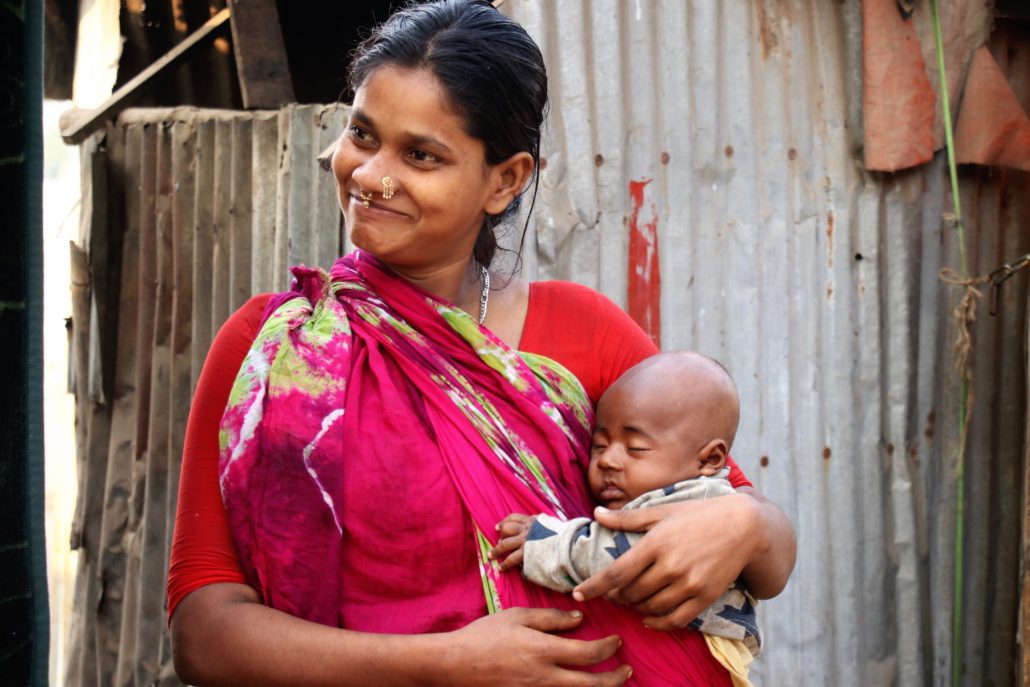 Bangladesh is encountering significant obstacles in maternal and infant care, according to new documents that the United Nations Inter-Agency Group for Child Mortality Estimation released. Progress has been made since 1990, but Bangladesh still has one of the highest rates of stillbirths in South Asia, requiring urgent intervention.
Factors Leading to Maternal Death
Postpartum hemorrhage is the leading cause of maternal death in Bangladesh, accounting for approximately 40% of maternal deaths. Eclampsia is the second-leading cause, responsible for about 23% of maternal deaths. Severe anemia also contributes to maternal mortality, although it is not the third-leading cause of death in the nationally representative survey.
Studies show that many women who died from postpartum hemorrhage were unable to receive timely, appropriate care because of delays in treatment, limited maternal healthcare resources and overburdened health facilities. In one study, two of 11 women who experienced postpartum hemorrhage died at home, while 12 of 24 women died in public health facilities. Two of 12 women died while being transported to a health facility, and one of six died at a private facility.
Maternal Child Health Handbook
The World Health Organization proposed a home-based maternal record as an efficient tool to effectively connect pregnant women and their families to community health employees and specialists. The maternal and child health handbook (MCH) is the most extensive home-based book that comprises all the records of the continuous care for both mothers and children. The MCH includes labor and postpartum care. The MCH communication intervention was utilized on a mobile platform, which included text, audio messages and phone calls if vital. The intervention included sending reminders for antenatal care visits and a list of locations for proficient birth specialists.
Accessibility to Education
Improving access to maternal health care and skilled birth attendants is essential to reducing maternal mortality, particularly by ensuring women receive timely care during pregnancy, childbirth and postpartum emergencies. Education can also play an important role in helping women recognize health risks and seek appropriate care. Mothers in Bangladesh now have access to the Joint Action for Nutrition Outcome. It is a CARE project that’s financed by the European Union and Austrian Development Cooperation. Women get to learn how to take precise safety measures, get doctor checkups and eat nutritious meals.
United Nations Population Fund Deployment of Midwives
The United Nations Population Fund (UNFPA) stationed midwives in government facilities in Bangladesh and implemented three-year specialized midwifery courses in 2012. Midwives are trained health professionals who provide sexual, reproductive and maternal health care and can help women receive timely care during pregnancy, childbirth and postpartum emergencies. In June 2018, 593 midwives were deployed, and in August 2018, another 550 midwives were placed at various Upazila medical centers in Bangladesh. These successful midwives, such as Tania Aktar, who delivered 200 babies, provided prenatal care to thousands of women. The UNFPA’s incorporation of midwives into healthcare systems will help Bangladesh accomplish a zero maternal mortality rate.
Bangladesh: Poverty and Maternity Care
Many families in Bangladesh continue to live in extreme poverty, making it difficult for pregnant women to access the nutritious food they need for a healthy pregnancy. In one study, women reported eating less during pregnancy because they could not afford staple foods such as rice and potatoes or other nutritious foods. Some families survived by relying on neighbors for small amounts of rice, which they sometimes sold to purchase other necessities such as salt and vegetables. When household incomes were insufficient, some pregnant women also took on physically demanding work, including cleaning other people’s homes, to help support their families. These financial hardships contribute to poor maternal nutrition and increase the risk of complications during pregnancy and childbirth.
Looking Ahead
Addressing the crisis of maternal care in Bangladesh requires women to utilize child health handbooks to be able to communicate with medical professionals. Bangladesh has enlarged their midwife deployment in government facilities to enhance accessibility to proficient care and improve educational initiatives.
– Ruba Alghurab
Ruba Alghurab is based in Debary, FL, USA and focuses on Good News for The Borgen Project.
Photo: Pexels
