Partnerships Rebuilding Education in South Sudan
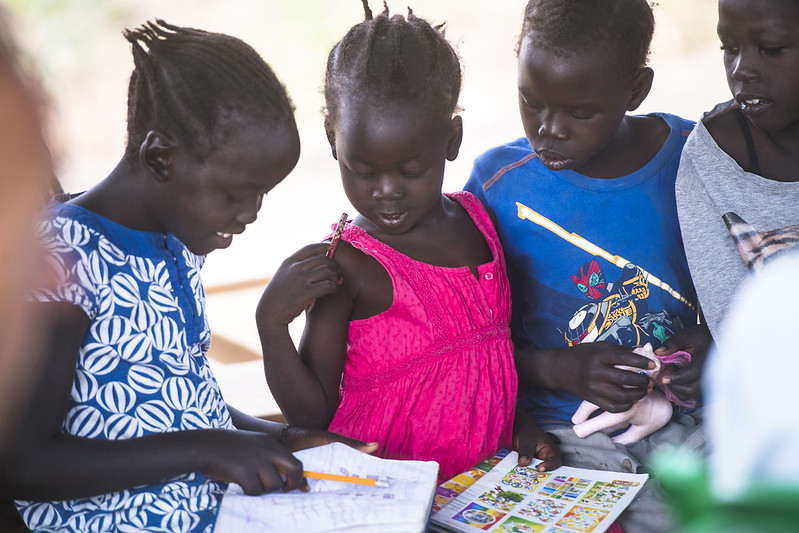 Years of conflict, displacement and climate-related disasters have placed immense pressure on South Sudan’s education system. Millions of children continue to face barriers to learning as schools struggle with overcrowding, damaged infrastructure and a shortage of trained teachers. Despite these challenges, international partnerships are helping rebuild access to education and strengthen the country’s long-term development.
Organizations such as the Global Partnership for Education and UNICEF are working alongside the government of South Sudan, local communities and humanitarian partners to improve educational opportunities for children affected by the crisis. Through coordinated support, these partnerships are helping create a more resilient and inclusive education system in one of the world’s most fragile contexts.
Expanding Access to Education
Access to education remains a major challenge across South Sudan, particularly in rural and conflict-affected areas. Flooding, displacement and insecurity have forced many schools to close temporarily, while some communities lack functioning classrooms altogether, resulting in 2.8 million children unable to access education as of 2021. According to Global Partnerships for Education, many girls often experience greater barriers to education, including child marriage, which can prevent them from continuing their studies.
To address these barriers, international education partnerships, such as Education Cannot Wait, are supporting the construction and rehabilitation of schools, temporary learning spaces and sanitation facilities. These efforts are helping children return to safe learning environments even during periods of instability. Programs funded through global education partnerships are also helping provide learning materials and expand enrolment opportunities for displaced children and vulnerable families.
By collaborating directly with local communities, aid organizations such as UNICEF ensure that education support reflects local needs and priorities. Community involvement has become essential to maintaining schools and encouraging attendance in areas heavily impacted by conflict and climate emergencies.
Improving Teaching Quality
Alongside expanding access, improving the quality of education has become a key priority. South Sudan continues to face a severe shortage of qualified teachers, particularly in remote regions. Many educators have limited formal training and often work in difficult conditions with few resources.
In response, several international partnerships are helping strengthen teaching quality by supporting teacher training initiatives, professional development programs and curriculum improvement efforts. Training programs focus on child-centered teaching methods, classroom management and inclusive education practices that better support vulnerable students. These initiatives are also helping teachers respond to the emotional and psychological needs of children affected by violence and displacement.
In fragile settings, schools often provide more than just education; they can offer stability, protection and a sense of normalcy to children living through crisis. Strengthening the teaching workforce is critical to improving long-term learning outcomes. By investing in teachers, development partners are helping to build a stronger national education system that can better withstand future challenges.
Supporting Inclusive and Resilient Learning
Partnership-driven education programs are increasingly emphasizing inclusion. Girls, children with disabilities and displaced learners often face the greatest obstacles to education in South Sudan. Social barriers, economic hardship and safety concerns continue to prevent many children from attending school consistently.
Collaborative initiatives are working to create safer and more inclusive learning environments through gender-sensitive policies, school feeding programs and improved water and sanitation facilities. In many communities, these measures help reduce dropout rates and encourage families to keep children in school. Importantly, these partnerships are also aligning humanitarian response efforts with long-term development goals.
Rather than focusing solely on emergency education support, organizations are investing in sustainable systems that strengthen government capacity and local leadership.
Final Remarks
By working across sectors and alongside community organizations, international partners like UNICEF and Education Cannot Wait are helping South Sudan move beyond short-term crisis response toward lasting education recovery. While significant challenges remain, coordinated support is giving more children the opportunity to learn and helping lay the foundation for a more stable future.
As South Sudan continues to navigate conflict, displacement and climate-related pressures, sustained investment in education will remain essential. Through strong partnerships and locally driven solutions, rebuilding education is becoming an important step toward long-term resilience and development for future generations.
– Annie Hodgkinson
Annie is based in Liverpool, UK and focuses on Good News for The Borgen Project.
Photo: Flickr
