Countering Educational Poverty for Dalits in India
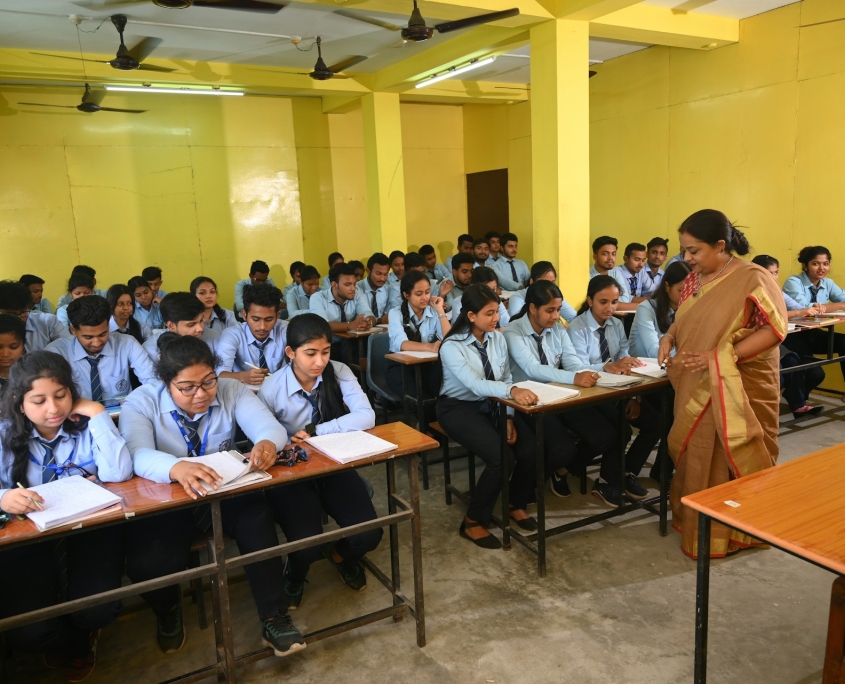 Educational poverty for Dalits in India is a significant issue. With a caste system and ongoing caste discrimination against Dalits, the lowest castes in India’s social hierarchy, the country has the largest population of illiterate adults in the world at 287 million or 37% of the global total.
If illiteracy is considered an indicator of exclusion from education, then Dalits bear a disproportionate share of this burden, with 62% of Dalits illiterate, indicating they have likely not completed primary school. Informal data suggests that more than 60% of children who drop out of school are Dalit children.
Caste discrimination aligns with gender discrimination to fuel illiteracy. The literacy rate of female Dalits in Bihar was 38.5% in 2011. Despite widely recognizing education as the most effective pathway out of poverty, Dalit children in India continue to face systematic exclusion.
While the caste system has been abolished in law, discrimination and prejudice against Dalits persist throughout India, including in education. Dalit families face such extreme poverty and unemployment that children are sometimes sold into bonded labor so that families can eat, preventing them from attending school. Many Dalit children who do attend school are malnourished.
In schools, Dalit children are often bullied and discriminated against. In Bihar, where there is a legal obligation to include children from all castes, schools are often abandoned or barely functioning. Dalit children who do attend are treated with cruelty or neglect. Practices of discrimination include being forced to sit at the back of the class and being prevented from touching or interacting with classmates from other castes. Accounts of verbal and physical abuse from both teachers and classmates are well-documented.
The dropout rate for girls is exceptionally high. Children already vulnerable due to caste prejudice face even greater danger, perpetuating a cycle of poverty that has remained unchallenged for generations.
Countering Educational Poverty for Dalits
Education is key to increasing prosperity, security and opportunity in any country. If the Dalit community faces exclusion from learning, the country cannot advance as a whole. Steps have been taken by several developmental bodies, including the Ministry of Social Justice and Empowerment, the National Scheduled Castes Finance and Development Corporation and other international bodies.
Numerous charities also aim to educate Dalits in India and achieve educational equality. Guru Ravidas inspired one prominent charitable movement. He was born into a Dalit family in 14th-century India. According to Chaman Lal Madahar, General Secretary of the Sri Guru Ravidass International Organization and Assistant General Secretary of the Shri Guru Ravidass Temple, Newham, London, Shri Guru Ravidass Temples in England are part of a broader movement to support Dalit education across Indian states through financial contributions.
Madahar said these organizations help Dalits in Ravidassia communities with financial support directed to education organizations established in Indian states such as Punjab, Uttar Pradesh, Rajasthan and Bihar. Funds are transferred by bank or delivered in person, with recipients required to show proper identification. He estimated that the scale of aid from a U.K.-registered charity in this network would be approximately 5% to 8% of the organization’s total resources. Two registered charities confirmed by Madahar provide financial support to Dalit communities for both education and health needs, such as hospitals and schools.
Madahar said the long-term aim is to continue support for education and health for Dalits, while acknowledging that ensuring funds reach the right institutions remains a challenge.
Looking Ahead
There are encouraging signs that efforts to counter educational poverty for Dalits are producing results over time. The Ministry of Education of India’s All India Survey on Higher Education for 2021 to 2022, the most recent available data, notes that of the 43.3 million students enrolled, 15.3% belong to the Scheduled Castes.
Official census data from 2011 suggested that 16.6% of India’s population were Scheduled Castes.
Where Dalits have been given access to education throughout their student lives, they are roughly proportionate in the student body, though there is still work to achieve full representation. These figures contrast with the situation in the 1980s and 1990s, when prejudice meant Dalits did not enjoy proportional representation in higher education. Investment and development work for Dalits appears to be slowly translating into greater higher education participation, with the potential for greater social mobility and career opportunities over time.
– Suneel Mehmi
Suneel is based in London, UK and focuses on Good News for The Borgen Project.
Photo: Unsplash
