From Seeds to Market With the DeHaat App
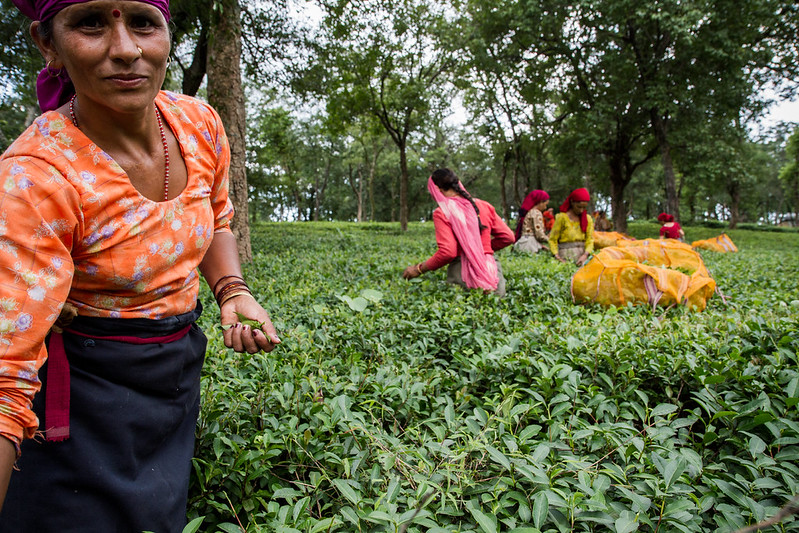 Founded in 2012 by university graduates Shashank Kumar, Amrendra Singh, Adarsh Srivastav and Shyam Sundar Singh, DeHaat is a digital platform designed to support farmers across India. Today, it serves more than 1.4 million users by offering a range of services including: “frequent crop reminders, voice calls in regional languages, crop advisories, weather reports, and local mandi (market) rates.”
By combining technology with agriculture, DeHaat is helping to modernize the farming sector through modern agrotech solutions for farmers, making information and resources far more accessible. In doing so, the app is simultaneously helping farmers increase crop productivity and secure better prices for their produce.
The following sections outline the key features of the app and how each one of them contributes to reducing poverty and promoting long-term economic stability.
Crop Insurance
One of the most significant advantages of this app is its provision of crop insurance, which plays a critical role in alleviating poverty among farmers. A major challenge in the Indian agricultural sector is the impact of extreme weather events on harvests. In India, since 2020, floods, storms or hailstorms have damaged“[…] 1.32 million acres – nearly seven times the size of New York City.”
Such losses could be devastating and force farmers to restart from the beginning, wiping out their income and pushing them deeper into financial insecurity. However, through integrated insurance services, DeHaat provides a vital financial safety net. This support ensures that farmers are not left without resources in times of crisis, helping them recover quickly and stabilise their income.
Therefore, by protecting farmers against unpredictable losses, the platform not only strengthens agricultural resistance but also promotes long-term economic security, making it a potent tool in the broader effort to reduce rural poverty.
Weather Alerts
Similar to its insurance feature, the app’s frequent weather alerts also play a key role in alleviating poverty. By providing timely meteorological updates and guidance for different stages of the growing season, farmers are able to plan ahead more effectively. This allows them to choose the right crops for specific conditions, allowing them to plant produce at optimal times.
For instance, if a storm is forecast to reach their farmland, farmers can prepare by fortifying crops or adjusting their harvesting schedule to minimize damage. These proactive decisions could help reduce crop losses, ensuring the farmer retains more of their income and produce.
Consequently, these agritech solutions for farmers could help lower the risks associated with unpredictable weather. DeHaat helps farmers to maintain more consistent earnings, reducing farmers’ vulnerability to condition-induced poverty over time.
Farm Tagging and Connect with Experts
A third significant feature of the app is its ability to directly and swiftly connect rural farmers with expert agriculture advice. Through the Dehaat platform, farmers can access guidance on critical aspects of farming such as pest control, irrigation techniques and the appropriate use of fertilizers. This immediate access to professional knowledge helps address one of the key challenges faced by smallholder farmers: the lack of reliable support.
By creating a more informed and responsive farming environment, the platform enables farmers to make better decisions and manage their land more thoroughly. Rather than relying on trial-and-error procedures, farmers can instead implement reliable and proven science-based solutions.
From a poverty-alleviation perspective, such expertise could be truly transformative because it could reduce the likelihood of crop failures, which would subsequently lead to lower production yields. In the long term, this intellectual exchange between farmers and experts empowers farmers to cultivate a secure and stable farming career, which could increase their ability to make money.
Market Linkage
The final, and most significant, feature of the app is its ability to connect farmers directly to local markets and facilitate the sale of their produce. Historically, the Indian agricultural sector has faced challenges related to corruption and exploitation. For example, findings from the BBC and Comptroller and Auditor General (CAG) identified that, “90,000 farmers between April 2011 and March 2012 found serious irregularities,” underscoring the vulnerability of small holders within traditional market systems.
By enabling direct access to institutional buyers, DeHaat could help reduce farmers’ reliance on intermediaries who may exploit information systems, helping ensure fairer pricing and more secure transactions, which helps farmers to avoid falling into debt traps. This greater financial independence contributes to a more equitable farmer experience that plays a role in reducing declines into rural poverty.
Conclusion
Ultimately, this app is an extraordinary example of how technology can provide effective solutions to reduce rural poverty by strengthening every stage of the farming process. From crop insurance to weather alerts to formal market guidelines, DeHaat agritech solutions for farmers help foster a proper, long-term, stable economic future for many individuals.
– Sophia Lupo
Sophia is based in London, UK and focuses on Technology and Solutions for The Borgen Project.
Photo: Flickr
