Don’t Just Eat Chocolate; Grow the Ghana Cocoa Industry
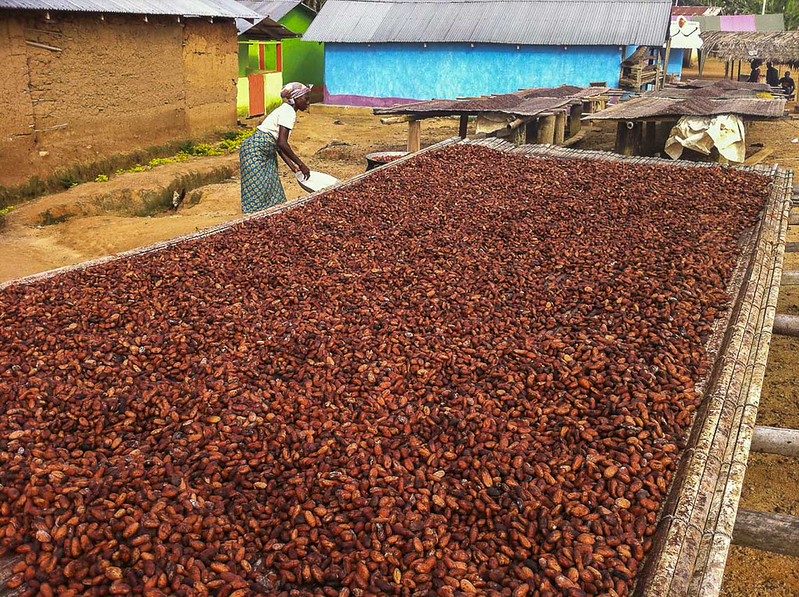 Chocolate is one of the most beloved sweets that people all around the world consume. Switzerland continues to rank as one of the top countries where people consume chocolate (8.8kg per capita/per person) followed closely by Austria, Germany and Ireland. However, cocoa in these sweet treats is not produced in any of the countries named. The top two countries that produce cocoa are Cote d’Ivoire (Ivory Coast) and Ghana.
Despite the cocoa industry bringing in a high export of $1.46 billion, in 2024, many farmers are below the poverty line. They are facing delayed payments from local regulators on top of a very low minimum wage, some earning only $3 per day
Global Poverty of the Chocolate Industry
Only a small share of chocolate’s final value reaches producers. As Frontiers in Sustainable Food Systems reports, “only 7% of the price that consumers pay for chocolate makes its way back to the producers.” Cocoa farmers are on the very end of the value chain because Ghana ships more than 80% of its cocoa abroad in raw form, which means that the most profit is made from the final product.
Though smallholder farmers dominate Ghana’s cocoa industry, they often work on small plots with limited resources. As emphasized in the Cocoa Barometer, poverty is not just one issue among many; it is a central factor underlying many challenges in the cocoa sector.
The Cocoa Barometer highlights how this system reflects deeper historical inequalities tied to colonial trade structures. The result is a persistent “extraction” model, where value leaves producing countries instead of being reinvested locally.
The cocoa industry and cocoa farming have been in the traditions of many farmers in Ghana. There are approximately 800,000 smallholder farm families across regions including Ashanti, Western, North, Eastern and Central Ghana. For this livelihood of many to disappear, farmers would face severe poverty and trigger an economic downturn.
Cocoa Industry in Ghana
Recently, John Mahama, the president of Ghana, has made major efforts to prioritize local processing of raw bean exports, aiming to cease raw cocoa sales by 2030.
In a recent visit to Temple University, in Philadelphia, PA., President Mahama brought light to this situation and his reasoning behind the push.
“It is because for almost 70 years after we gained independence, we’re still exporting raw beans to the world,” Mahama said. “I believe that what has happened in the international market should be a wake up call for us.
President Mahama has put a strict deadline on when he believes the goal of this program should be where they should be; with at least 50% of the country’s cocoa beans in local production, while halting raw mineral ore exports by 2030. “By 2030, there won’t be any raw mineral ores leaving Ghana. You must process all that locally,” said President Mahama.
The Future
The hopes in these major switches have short-term and long-term goals including:
- Farmer payment timeliness: reducing the payment delays compared to traditional financing
- Foreign exchange retention rates: domestic revenue capture versus the traditional model
- Semi-processed product export growth: volume and value expansion in cocoa butter, powder
President John Mahama, is pushing this advocacy of consuming local chocolate, with a short yet powerful statement of, “Eat Chocolate, Grow Ghana.”
– Elizabeth Fryer
Elizabeth is based in Philadelphia, PA, USA and focuses on Good News and Global Health for The Borgen Project.
Photo: Flickr
