The Book Helping End Water Poverty in Sierra Leone
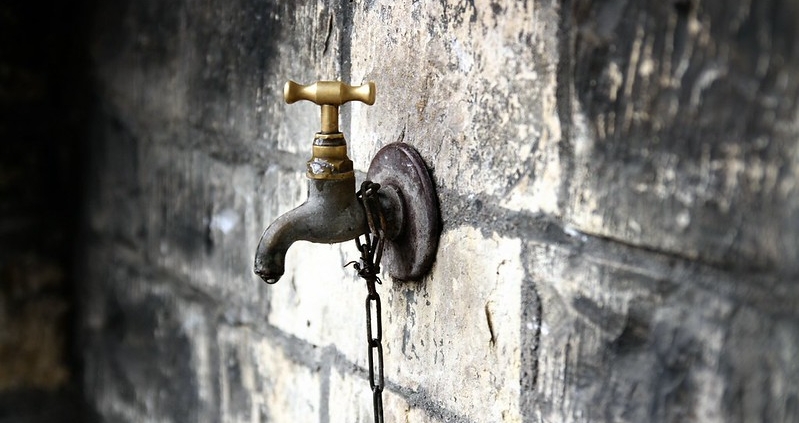 The poverty-stricken people of Freetown, Sierra Leone’s capital and largest city, have a saying about water: “Wata na life,” which translates to “Water is life.” Water is essential, of course, but to those living in poverty, it means more than that. In Sierra Leone, water is far from easily available to the general public.
Water poverty in Sierra Leone is a massive problem for the country. However, Ngadi Smart, the author of the 2023 book “Wata Na Life,” has created a way to simultaneously educate the public about this issue and make progress toward its resolution. The book is a photography collection consisting of collage and prose exploring the intimate lives of those living in water poverty.
Smart traveled to Freetown, got to know the people and took photos of them within their environments. The finished book has captured the attention of readers all across the globe and raised money for WaterAid, the charity backing the book.
Poverty in Sierra Leone
Sierra Leone faces a staggering poverty rate, with 56.8% of the population living at or below the poverty line. Millions contend with strained infrastructure, the legacy of civil conflict, displacement and one of the world’s worst water shortages. For many in poverty, the nearest water sources are small, contaminated ponds and wells, often miles away. These conditions have driven life expectancy down to just 62 years as of 2023.
Freetown, Sierra Leone’s largest city, is home to more than a million people competing for limited water sources. Children and adults often wake as early as 1 a.m. to collect water for the day, enduring long and difficult journeys.
Women making these trips face heightened risks, including sexual violence. Politicians even use water as a campaign strategy, promising better access to clean water in attempts to gain votes.
How “Wata Na Life” Came To Be
The book’s title comes from a phrase Smart heard repeatedly during her travels and conversations with residents. She began work on the project in 2021 after WaterAid commissioned her to travel across Sierra Leone and document her journey. The project was one of three joint commissions by WaterAid and the British Journal of Photography, aimed at amplifying new voices and perspectives on climate instability.
During her travels, she witnessed the brutal truths of day-to-day life without consistent access to clean water. She realized that water is more than a bare necessity; it’s a cultural zeitgeist. People’s lives revolve around obtaining enough water to live. She claimed that water is also a form of currency in the culture. These brutal truths went on to inspire the photographs and biographies seen in the book.
The book’s contents consist of highly stylized collages that combine images of the people she spoke to and their living spaces. These collages aim to capture the reality of life without consistent access to clean water and, more importantly, the resilience of those living in these conditions.
WaterAid and Hope for a Better Future
The creation of “Wata Na Life” not only brought the reality of water poverty in Sierra Leone to the public’s attention but also raised funds and rallied support for WaterAid’s efforts to eradicate water poverty.
WaterAid is a U.K.-based nonprofit organization that operates internationally. Its work focuses on supporting those affected by water poverty through both on-the-ground efforts and political advocacy. It partners with communities in 22 countries, including Bangladesh, Cambodia, India, Pakistan and Nepal, to build facilities such as toilets and showers in underserved regions.
The publication of “Wata Na Life” has brought increased attention and funding to WaterAid’s cause through publicity and donations. The book’s print sales are also donated to Mopada, Sierra Leone, helping reach the communities depicted in its pages. Additionally, the book received the 2023 Publishing Ecology Award for its outstanding visuals and purpose.
– Lucas Cain
Lucas is based in Pittsburgh, PA, USA and focuses on Good News and Technology for The Borgen Project.
Photo: Flickr
