Empowering Women to Close the Gender Pay Gap in Malawi
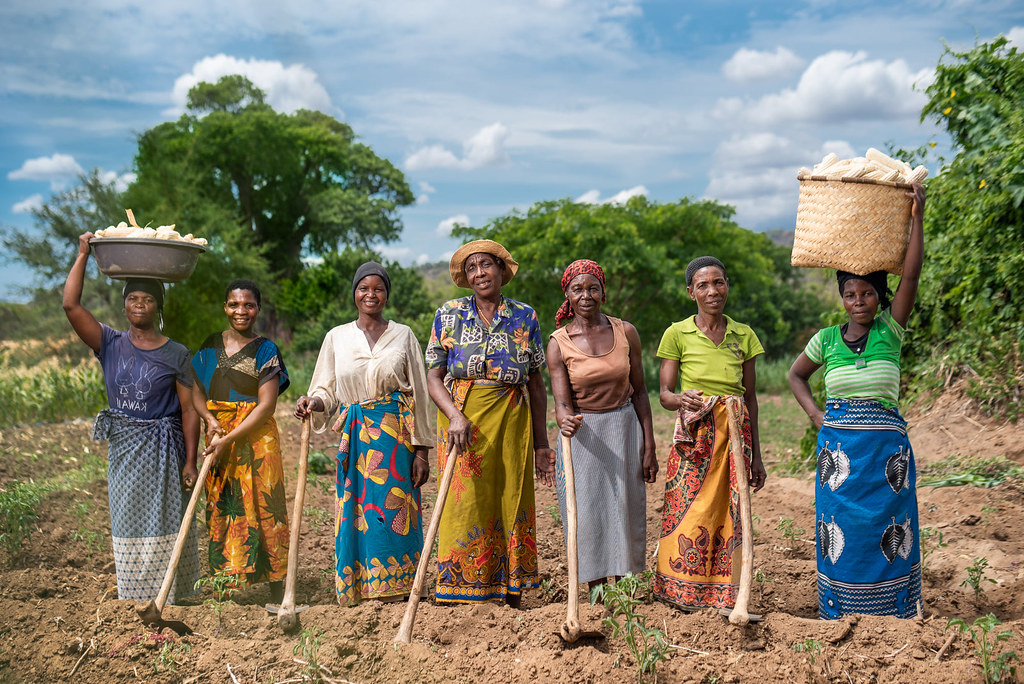 Poverty is an ongoing issue in Malawi with more than 70% of people living under the international poverty line. A vast majority of Malawians are living on less than $2.50 per day, resulting in 13 million struggling to achieve economic security.
Women are at an increased disadvantage due to social norms, creating an even bigger disparity in equality. The gender pay gap in Malawi affects not only women, as equality in the workplace, at home and societal beliefs can benefit everyone.
Conditions for Women in Malawi
Women hold low economic power in their homes and workplaces, balancing unpaid childcare with paid jobs in productive sectors such as agriculture and mining, while still consistently being offered fewer hours and lower wages than men.
Girls are typically married before 18, having to abandon their education to care for their children. This limits their opportunities in the workforce and continues to perpetuate the notion that women are less skilled and deserve less pay. By taking away the chance for a full education, women are left at a disadvantage compared to men, who can finish their education and enter the workforce.
Women as Leaders in Poverty Reduction
A 2023 UN Study focusing on the gender pay gap in East and Southern Africa supports the idea that women can become leaders in poverty reduction. Empowering women and giving them financial autonomy could help lift the entire country out of poverty. Women are more likely to share their income with the household, investing more in their children’s health, housing and education. Prioritizing investing in their own families further stimulates the economy and fuels the next generation to create better overall living conditions.
To integrate women confidently into the labor market, the U.N. is calling for legislative change, creating transparency in the hiring process and prohibiting discrimination based on gender or marital status. Malawi can achieve this by developing regulations for minimum wage, increasing benefits and making salaries publicly available. All of this contributes to the elimination of the glass ceiling, bringing women to the forefront of economic progress.
Malawi must work to change societal norms, while also implementing work-life balance policies to ensure that unpaid child care is no longer the only option. Progressing to share child care responsibilities will empower women and unlock the full potential of the Malawian workforce. Uplifting women will facilitate socioeconomic growth, working to lift the entire country above the poverty line.
The good news is that progress has already begun. Malawi has achieved an equal representation of genders in schools by removing education fees and creating a safe space for girls to learn. This is key in empowering young girls to enter the workforce with confidence and the knowledge necessary to succeed.
Empowered Women Advocating for Change
Advocacy and the creation of support programs are essential in closing this gender divide. The Young Feminists Network (YFN) is an organization that lobbied to establish an Executive Committee at the end of 2024, representing the interests of women nationwide. Its work is pivotal to bringing the gender pay gap in Malawi to the forefront of government policy changes and giving women a voice at the political level.
YFN’s Equal Pay Day event in 2025 brought women together to discuss the “Untapped Societal Potential due to the Persistent Gender Pay Gap.” This shift in narrative, driven by young women, places an increased emphasis on the value women have to the economy. YFN is working to reshape the idea that women are less by recognizing their potential to become integral members of society.
This is vital work, increasing awareness and empowering women across the country to be confident and demand equal pay. YFN is an effective example of how societal norms are shifting and how women are asking for more. The full potential for Malawi’s economic growth is being unlocked as women find their collective confidence to demand equal pay. Young women are at the forefront of calling for change, not just to benefit themselves, but to help everyone in Malawi.
With government support and legislative change to close the gender pay gap in Malawi, women will continue to rise and bring prosperity to their country. Empowering women and giving them financial autonomy will lead to poverty reduction, powering the economy to create a sustainable future. All Malawian women need is the space to succeed.
– Hope Jowharian
Hope is based in Paris, France and focuses on Business and Good News for The Borgen Project.
Photo: Flickr
