Elimination of Malaria in Suriname: A First for the Amazon Region
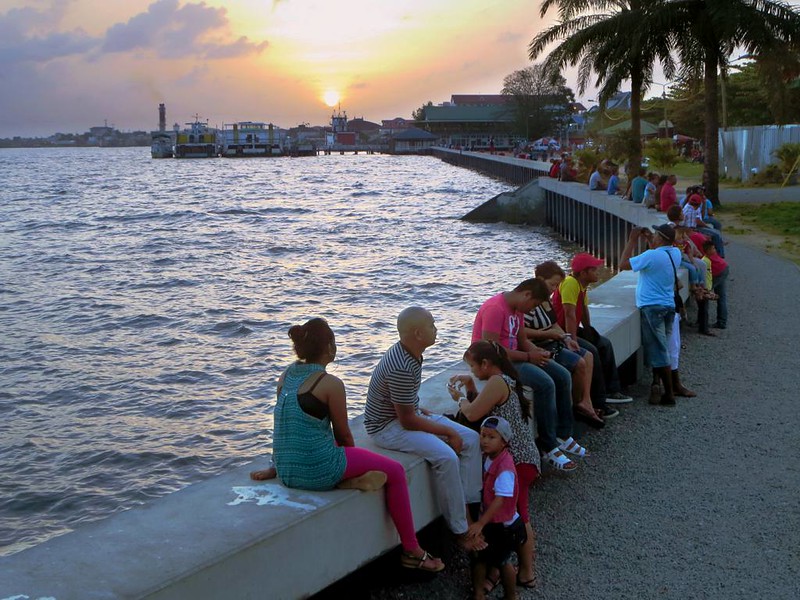 On June 30, 2025, Suriname became the first Amazonian country to achieve malaria-free certification from the World Health Organization (WHO). This accomplishment marks a turning point not only for Suriname, the 46th country worldwide to achieve this status, but also for the wider region, demonstrating that malaria elimination is possible even in challenging tropical contexts. WHO Director-General Tedros Adhanom Ghebreyesus hailed the certification as “a powerful affirmation of the principle that everyone — regardless of nationality, background or migration status — deserves universal access to malaria diagnosis and treatment.”
The 70-Year Journey to Malaria Elimination in Suriname
Suriname’s elimination efforts began in the 1950s, targeting the country’s densely populated coastal regions with indoor pesticide spraying and the provision of antimalarial treatment. By the 1960s, these regions became malaria-free, yet the forested interior, covering 90% of the country, presented different challenges. Traditional open-style homes offered minimal protection against mosquitos, and economic activity, particularly resource extraction, facilitated widespread transmission.
In 1974, Suriname decentralized medical responsibility in the interior to its primary health care service, which recruited and trained health care workers from local communities to provide early diagnosis and treatment. Investment in community-based approaches such as this would prove vital.
However, a surge in often illicit gold mining around the turn of the century threatened elimination efforts. Research across the Amazon region demonstrates strong positive correlations between mining activity and malaria incidence. Mining involves frequent travel between malaria-endemic areas, and because 75% of gold miners in Suriname are migrant workers from neighboring Brazil and French Guiana, cross-border transmission rates grew dramatically.
By 2001, Suriname recorded more than 15,000 cases — the highest transmission rate in the Americas.
Yet with the adoption of several vital strategies, cases dropped dramatically after this peak. The last locally transmitted case of Plasmodium falciparum — the most dangerous variant — was recorded in 2018, followed by the final Plasmodium vivax case in 2021. After three consecutive years with zero indigenous transmissions, Suriname was granted a certification of malaria elimination from the WHO.
How Suriname Turned the Tide
Suriname’s government demonstrated strong commitment to malaria elimination, supported by international projects such as the Global Fund and the Amazon Malaria Initiative (AMI-RAVREDA). Nationwide malaria screening was implemented, including at border crossings, to build effective surveillance mechanisms and tackle cross-border transmission.
The introduction of rapid diagnostic self-tests proved crucial in addressing malaria in remote regions, including Indigenous territories and mining zones beyond the reach of central services. The Malakit Project was vital in accelerating the decline in malaria incidence between April 2018 and March 2020 by 43%.
The ability to self-test and, if necessary, self-administer appropriate medication prevents miners from leaving work sites for treatment. The financial burden of such absence has contributed to non-adherence to treatment and the pervasiveness of the disease.
Efforts similarly focused on the training and involvement of local communities. Marthelise Eersel, who leads Suriname’s Malaria Program, explained: “everywhere where there is a community, you can train people to diagnose and treat malaria and report back to you.” Malaria Service Deliverers have provided free diagnosis, treatment and prevention services, as well as education, in areas where central health systems have struggled to reach.
Because much of the country’s mining activity is illegal and many miners are undocumented, engaging with the central health system has been difficult. Hedley Cairo, Malaria Diagnosis Coordinator with the Ministry of Health, explained that health workers are never accompanied by police on visits to mining sites, nor do they ask for documents — an approach that has built trust with vulnerable populations.
Breaking the Poverty-Malaria Cycle
Research consistently demonstrates the economic burden of malaria. Increased transmission is estimated to slow economic growth in endemic countries by 0.7% to 3% per year. The disease contributes to absenteeism, hampers children’s educational development, discourages foreign investment and tourism and strains health care systems.
In Suriname, this connection is particularly evident in the interior. Indigenous and Maroon communities suffered consistently higher malaria rates than coastal and urban areas and are among the country’s most economically disadvantaged, with 29% and 32.9% of each community living under the World Bank poverty line. Gold mining, driven by economic necessity, became both a livelihood strategy and the primary driver of malaria transmission, affecting miners and their families.
Suriname’s Minister of Health, Amar Ramadhin, celebrated that elimination “will have positive effects on our health care sector, boost the economy and enhance tourism.” The timing is significant: Suriname is emerging from a severe economic crisis, with current poverty rates at 17.5%.
Malaria elimination removes one major barrier to economic development, freeing resources and human capital for education, infrastructure and other priorities. The health care system, previously stretched thin managing malaria cases, can now refocus on other pressing needs.
A Blueprint for the Region
The Amazon region accounts for 90% of the malaria burden in the Americas, with Brazil, Peru and Venezuela still recording high transmission rates. Successful malaria elimination in Suriname offers evidence that elimination is achievable, even in climates conducive to transmission. However, regional coordination is essential to sustain elimination in the face of reintroduction threats from neighboring countries and to support other nations’ elimination goals.
Looking Ahead
Suriname’s achievement offers a replicable blueprint: community-based solutions, universal health care access, innovative approaches to reach marginalized populations and sustained political commitment. There are encouraging signs that surrounding countries are learning from this approach. The Malakit Project operates in French Guiana, and Brazil and Colombia are beginning to establish networks of community health workers in some Amazon regions. As the first Amazon country to reach this milestone, Suriname has led the way forward.
– Caroline Sheehan
Caroline is based in Edinburgh, UK and focuses on Good News and Politics for The Borgen Project.
Photo: Flickr
