Top 10 Facts About Poverty in Zimbabwe
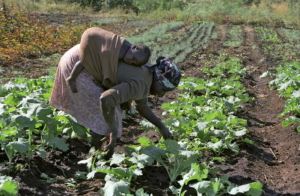 Zimbabwe is a landlocked country in Southern Africa, bordering Botswana, Mozambique, South Africa and Zambia. Despite its high literacy rates and abundant natural resources, Zimbabwe continues to grapple with chronic poverty, hyperinflation, unemployment and food insecurity.
The 2024 El Niño-induced drought further pushed the country into a dire humanitarian crisis. However, a favorable 2025 harvest has offered some respite, improving livelihoods and food security for millions. Despite these recent positive developments, underlying issues remain, underscoring the need for sustained support and long-term solutions.
Facts About Poverty in Zimbabwe
- Extreme Poverty. As of April 2025, approximately 60% of Zimbabwe’s population lived on less than $3.65 a day, placing the country among the most impoverished in Southern Africa.
- Food Insecurity. Poverty in Zimbabwe is closely intertwined with food instability, as most households depend on agriculture. Zimbabwe’s fragile economy, marked by hyperinflation and reduced purchasing power, coupled with the El Niño drought, left more than seven million people facing food shortages during the 2024-2025 lean season. Despite improved harvests in mid-2025, food security remains fragile, underscoring the vulnerability of Zimbabwe to economic and climate shocks.
- Food Price Inflation. Persistent currency instability has made necessities unaffordable for many households. By July 2025, the year-on-year rate soared to a staggering 120.70%.
- Severe Child Malnutrition. About 24% of children aged less than 5 suffer from chronic malnutrition, with merely 10% of babies aged 6 to 23 months receiving an adequate minimum diet. Rising waste rates in both rural and urban areas highlight the widespread nature of Zimbabwe’s poverty.
- Rural Poverty. Rural communities, containing about 67% of Zimbabwe’s population, are the most vulnerable to drought and food insecurity, as their livelihoods depend mainly on rain-fed agriculture. However, economic shocks in recent years have started to narrow the rural-urban gap, with poverty also affecting urban areas.
- Water Scarcity and Disease. More than four million people lack access to safe water, a critical situation exacerbated by the El Niño drought. Dependence on unsafe sources has led to outbreaks of waterborne diseases, including cholera. Children aged 5 and below are the most vulnerable.
- A Fragile Health Care System. Zimbabwe’s public health care system faces critical challenges. About 87% of Zimbabweans lack medical aid coverage. The sector struggles with shortages of medicines, medical personnel, high costs and a significant “brain drain” of health professionals.
- Limited Social Safety Nets. While the government provides some grain and cash transfers, social protection coverage remains low. This leaves the most vulnerable citizens dependent on humanitarian aid from NGOs and international organizations. The halt in U.S. funding for HIV/AIDS programs, including the President’s Emergency Plan for AIDS Relief, has disrupted the provision of life-saving antiretroviral medication to more than a million Zimbabweans dependent on it. This disruption has raised fears of a potential resurgence of the HIV/AIDS epidemic in the future.
- Unsustainable Public Debt. Zimbabwe’s public debt reached $21.2 billion in 2023, representing 96,6% of its gross domestic product (GDP). This high debt burden limits the country’s access to international financing, further hampering economic recovery.
- Women’s Increased Vulnerability. Women bear the hardest consequences of poverty and climate shocks. Many work in the informal sector, lack social protection and live in precarious conditions. The drought has exacerbated their vulnerability, leading to a surge in child and school dropouts among girls. Dependence on their husbands for subsistence increases the risk of women becoming victims of gender-based violence.
Organizations Providing Aid
Despite these challenges, organizations like Action Against Hunger (ACF) and the World Food Program (WFP) are stepping up their efforts to meet the urgent needs of vulnerable Zimbabweans.
ACF provides cash transfers to farmers and households with malnourished children, while ensuring these children receive the necessary medical referrals. Its actions benefited a total of 8,000 people. The organization has also prioritized access to clean water, constructing and refurbishing boreholes and mini water systems that now serve water to more than 19,000 individuals.
Meanwhile, WFP strengthens rural farming communities by training farmers on climate-smart farming techniques, encouraging traditional small grain cultivation, diverse horticulture and animal farming. WFP also introduces agricultural risk insurance, alongside savings and credit products.
Final Remarks
While the successful 2025 harvest has provided a temporary relief, it highlights Zimbabwe’s acute vulnerability to climate shocks. Continued funding and collaboration between the government and international partners are critical for building long-term resilience, ensuring sustainable development and preparing for future crises linked to climate instability.
– Juliette Delbarre
Juliette is based in London, UK and focuses on Global Health and Politics for The Borgen Project.
Photo: Flickr
