Pashtun Poverty in Central Asia
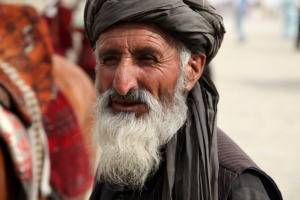 The Pashtun people are a nomadic ethnic group whose woes continue to escape global conversation. The group of around 60-70 million people continues to face impoverished conditions across Pakistan and Afghanistan, respectively. With a life expectancy of 46 years, these people’s problems cannot be ignored. Ethnic conflicts and the lack of stability in Afghanistan throughout the last decade have drastically reduced the quality of life for Pashtuns.
FATA
Pashtun poverty is directly tied to destabilization and ethnic violence in Central Asia. Previously called “the most dangerous place in the world,” the Federally Administered Tribal Area (FATA) of Pakistan was home to 20% of the world’s Pashtuns. Although absorbed in 2018, FATA was home to blatant and widespread poverty, with 60% of people living below the poverty line.
This area was described as a “legal vacuum” because no neighboring country would assume administrative control. This led to a 33% literacy rate and plagued the area with intense ethnic and religious violence. In 2018, Pakistan merged the areas into Khyber Pakhtunkhwa in the hopes of improving conditions. Most terror attacks occurred in Pashtun areas in 2022, which points to continuing destabilization and a failure to address the conditions.
Drug Trafficking in Afghanistan
Over the border in Afghanistan, the Pashtuns have additionally dealt with decades of conflict and now Taliban rule. Although Pashtun’s relationship with the Taliban is complicated, the Taliban’s ban on narcotic production has disrupted a significant source of income for Pashtun communities. The U.N. estimated that it had affected the lives of nearly 7 million people who relied on growing opium for income.
Farmers were believed to have lost $1.3 billion in 2023 due to the halt in production, while landowners sold their stockpiles at a hiked price. While the production of narcotics is a complex issue, it is an industry upon which millions depend for their livelihoods. Its cessation has likely pushed many into poverty. Many farmers have continued to defy the ban as it’s their only way to avoid hunger and provide for their families.
Education in Pakistan
Although the situation for Pashtuns seems quite dire, great strides have been made for the education of the next generation. The village of Khanozai, in Balochistan, has a successful education scheme with an estimated 98% literacy rate. Although many Pashtun families must face the dilemma between having their children work or attend school, this village has insisted on the education of the next generation.
The Pakistani education activist Malala Yousafzai is actually Pashtun. In 2012, she spoke out against the Taliban in favor of education for girls. This led to an attack on her life. She survived and has become a global face of the movement for the right for a girl to learn. She is the only Pashtun and youngest ever person to win a Nobel Prize laureate.
The Pashtun Trust
The Pashtun Trust is an England-based charity that works to support both the local community and those in Central Asia. The nonprofit’s Khyber Pukhtunkhwa Projects work to alleviate poverty and provide education to people in Pakistan and Afghanistan. In 2019, the Trust managed to build 50 water wells throughout the region to tackle dehydration.
Pashtun poverty in Central Asia is an ongoing issue. However, nonprofit organizations like the Pashtun Trust are committed to improving the conditions of Pashtuns.
– Charley Dennis
Charley is based in London, UK and focuses on Good News and Politics for The Borgen Project.
Photo: Flickr
