Smartphone-Powered Diagnostics in Nepal
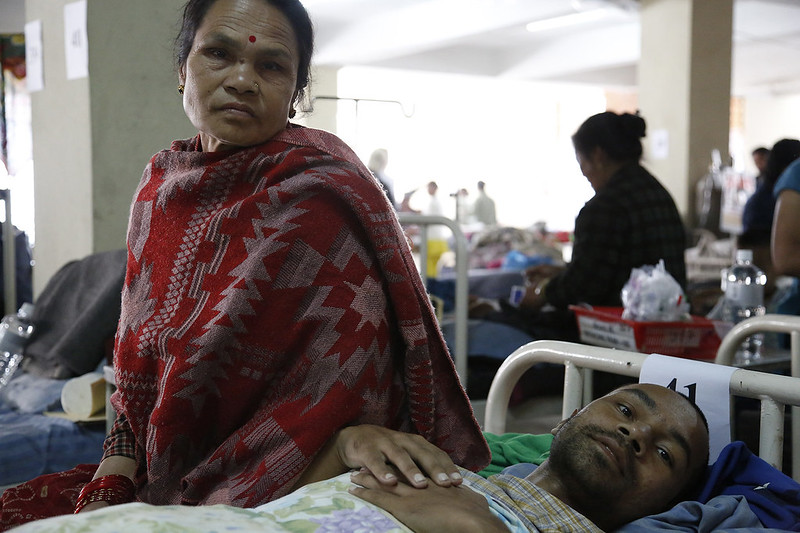 In the remote regions of Nepal, where geographical and infrastructural challenges often restrict health care access, an innovative wave of smartphone-powered diagnostics is revolutionizing the delivery of medical care. Cutting-edge mobile technology from the United States (U.S.) is driving these innovations, empowering health care workers with diagnostic tools that transform disease detection, monitoring and management in rural areas. Consequently, these advances are significantly improving efficiency, early disease detection and the overall quality of medical services in Nepal’s health care system.
The Health Care Landscape in Nepal
The health care landscape in Nepal, despite incorporating both public and private sector services, often fails to meet international standards. As of 2019, health-related expenditures constituted 4% of the country’s GDP, with infectious diseases accounting for roughly two-thirds of all health issues. Although Nepal has made considerable progress in enhancing its health care system, significant challenges persist in access and quality of care. Smartphone-powered diagnostics have emerged as a pivotal solution, bridging the gap between patients and health care providers. This mobile health technology enables health care workers to perform medical tests, diagnose diseases and provide care in previously inaccessible areas.
US Innovations Leading the Charge
Researchers at the University of Washington developed a smartphone attachment that enables remote eye exams using optical microangiography, allowing health care providers to conduct vision assessments in underserved areas. Another breakthrough involves using smartphone apps to analyze facial blood flow, aiding in the early detection of stroke risks. These innovations illustrate how medical care in low-resource regions can be transformational. With these tools, health care has become more accessible, portable and affordable, significantly improving health care access.
In Nepal, for instance, a feasibility study reveals how smartphone-powered diagnostics can make a major impact through the use of the General Movement Assessment (GMA) to screen infants for high-risk cerebral palsy. This technology empowers parents with smartphone-based apps, allowing diagnostics once confined to clinical settings to be available in remote regions. The integration of smartphone-powered diagnostics in Nepal marks a major milestone that overcomes resource barriers and extends quality care to all as a result of global technological advancements.
Empowering Rural Health Workers
Smartphone-powered diagnostics are revolutionizing health care by empowering rural health workers, especially in regions of Nepal where medical professionals are scarce. In remote areas, health workers are often the first line of care but have traditionally lacked access to advanced diagnostic tools. With smartphone-based technologies, these workers can perform critical tests without requiring patients to travel to hospitals. For example, a health worker in a remote village can use a smartphone-connected lab-on-a-chip device to conduct blood tests for diseases like malaria or dengue fever. Health workers transmit results electronically to doctors in urban areas who confirm them, enabling swift treatment decisions. This not only enhances patient care but also eases the pressure on overwhelmed health care facilities.
Overcoming Barriers to Health Care Access
Smartphone-powered diagnostics profoundly impact health care access by overcoming geographical barriers that traditionally isolated rural populations. The country’s mountainous terrain and inadequate infrastructure often hinder patients from traveling to hospitals or clinics for routine medical care. Mobile health technology addresses this challenge by delivering diagnostic tools directly to communities, eliminating the need for long journeys to receive medical attention. Furthermore, these innovations not only enhance accessibility but also reduce health care delivery costs. Unlike traditional diagnostic equipment, which is typically expensive, bulky and requires specialized training, smartphone-based tools are affordable, portable and user-friendly, making them ideal for low-resource settings.
The Future of Smartphone Diagnostics in Nepal
Smartphone-powered diagnostics are set to revolutionize developing countries’s health care by empowering local health workers and enhancing diagnostic capabilities. Innovations, such as apps that measure blood oxygen levels using smartphone cameras and deep-learning algorithms, enable patients to monitor their health at home, particularly benefiting those with respiratory conditions. Collaboration between Nepali providers and international tech innovators could be crucial to scaling these technologies, improving health care access and promoting self-reliance in local communities.
– Alaya Laila
Alaya is based in Nigeria and focuses on Technology and Solutions for The Borgen Project.
Photo: Flickr
