5 Effects of Water Pollution in Pakistan
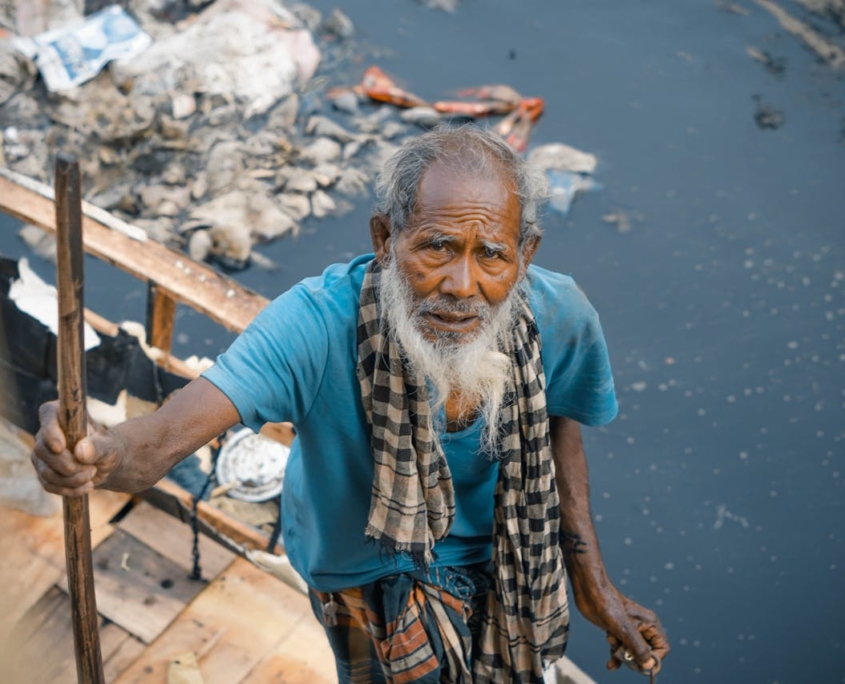 Currently, more than 21 million Pakistanis face a water sanitation crisis affecting the entire country. Major cities like Karachi and Lahore struggle to provide access to clean and safe drinking water. The situation is even more dire in rural villages that lack modern systems and adequate health care. The Pakistan Council of Research in Water Resources predicts that by 2025, the country will face extreme water shortages. Large-scale industrialization has contaminated many essential water sources, benefiting the economy but causing unchecked environmental damage. The pollution introduces high levels of chemical and biological toxins into the water. Understanding the top five effects of water pollution in Pakistan could help quantify the challenges faced by the population.
5 Effects of Water Pollution in Pakistan
- Waterborne Diseases. The outdated water distribution network in Pakistan, located near many industrial plants and sewage systems, introduces numerous toxins into the drinking water. Bacteria such as E-coli and Salmonella, when ingested, can be detrimental to health, leading to diseases such as typhoid, intestinal worms and cryptosporidium infections, which account for more than 40% of communicable diseases in Pakistan. Widespread poverty exacerbates the effects of these diseases, as many Pakistanis cannot afford the necessary medications.
- Infant Mortality. The infant mortality rate in Pakistan is among the highest in developing nations, with water pollution playing a significant role due to the vulnerability of infants to harmful bacteria and fecal matter. According to UNICEF, only 35.8% of the Pakistani population has access to clean drinking water. Exposure to toxic bacteria during pregnancy and early childhood can lead to birth defects and early onset of severe diseases, both of which significantly increase the risk of infant mortality, especially given the limited access to medical care for many families.
- Agricultural Damage. Man-made agricultural fertilizers are a significant source of water pollution, which poses severe challenges to Pakistan’s agricultural sector. Given the country’s predominantly dry and hot climate, manufactured water sources are crucial for the survival of many farms. Additionally, small family-owned farms in numerous villages depend entirely on agricultural profits for their livelihood. The broader population also relies heavily on this produce for sustenance. Contaminated water, which harms more than it helps the plants, forces farmers to use scarce freshwater supplies. This situation creates substantial economic and social impacts due to the limited availability of clean water.
- Contaminated Food Products. Contaminated food products often result from crops irrigated with impure water. Livestock exposure to polluted water, contamination in marine waters and the use of pesticides and fertilizers further toxify essential resources. Without access to healthy, clean food for consumption and sale, many populations face starvation and life-threatening diseases.
- Decreased Biodiversity. Water pollution destroys numerous habitats, including lakes, rivers and ponds. Pollution renders them unable to support aquatic life due to chemical contamination and nutrient depletion. This disrupts food chains as smaller, less chemically resistant organisms die off, impacting species that rely on them for sustenance. Additionally, eutrophication, spurred by excessive nitrogen and phosphorus, triggers algae blooms that further degrade marine ecosystems by limiting sunlight and reducing energy available to aquatic species.
The Paani Project
The Paani Project, headquartered in Ann Arbor, Michigan, is actively enhancing water quality in Pakistan. Founded by four Pakistani Americans seeking to address the water crisis, the nonprofit has developed more than 20,000 water systems since its inception. Additional projects include deepwater wells, solar wells and reverse osmosis plants. As of June 2024, Paani collaborates closely with local partners to identify the most suitable water solutions for each rural community, maximizing the impact of donations. The organization emphasizes transparency, providing donors with approximately 30 photos of the construction process, a video of the completed water system and a comprehensive water quality report.
Looking Ahead
Pakistan’s water crisis poses significant challenges, from waterborne diseases to agricultural damage, impacting millions of lives. Efforts by organizations like the Paani Project offer hope. Their tailored water solutions work to improve access and quality across the country. With a focus on addressing the immediate needs of affected communities, these ongoing initiatives contribute to mitigating the long-term effects of water pollution and ensuring a more sustainable future for Pakistan.
– Sophia Kharal
Sophia is based in San Jose, CA, USA and focuses on Global Health for The Borgen Project.
Photo: Pexels
