The Gardener Combating Famine in Gaza
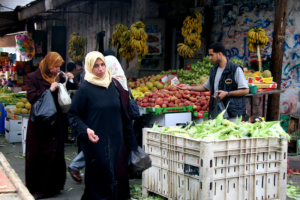 The ongoing conflict in Gaza has resulted in an unprecedented humanitarian crisis, with almost 1.74 million more people poverty-stricken since the start of the war on October 7, 2023. Consequently, Gaza’s reality of food insecurity has escalated into one of famine. In response to the lack of food available, Mohammed Qomssan grows vegetables amongst the ruins of his family home in the Jabaliya refugee camp, combatting famine in Gaza and planting a glimmer of hope for the Palestinian people.
Famine in Gaza
In the face of food insecurity, foreign aid is crucial for survival and restoration. However, the unrelenting cruelty of the conflict in Gaza has caused barriers “for humanitarian agencies to safely get aid to affected populations.” According to the International Rescue Committee (IRC), “The danger extends to humanitarian workers. More than 260 aid workers have been killed, more than 190 of whom worked for the United Nations.” Considering that Palestinians no longer have their resources or land available to them due to the destruction of the war, this lack of foreign aid has significantly worsened the reality of hunger in Gaza. The U.N. experts report that “famine has spread across the entire Gaza strip.”
Gardening in the Face of Famine
Despite these bleak prospects, Mohammed Qomssan with the support of his family remains hopeful, unwilling to let the conflict take away their livelihood. Returning to their home in mid-June after facing displacement twice, the family found just two rooms of their house in a habitable condition. This was the moment that sparked Qomssan’s desire to reclaim what the conflict had taken from him and his loved ones, focusing on “survival, in a part of Gaza that most others have left.”
With the knowledge that the majority of the region’s farmers have been displaced and “an estimated 80% of cropland has been destroyed in some areas,” according to IRC, Qomssan and his family set to work to utilize the ruins of their home, clearing as much rubble and installing tarpaulin to create a temporary living room and garden. Qomssan’s innovative thinking saw the potential in objects such as a bathtub, buckets, tin cans, and various other containers found amongst the debris to grow vegetables in. Vegetables grown so far include aubergines, jute, rocket, and peppers, all now considered rare luxuries in Gaza.
Although the food markets in Gaza have a limited stock, especially fresh stock, they occasionally sell seeds which Qomssan looks out for to continue growing his food supply. Qomssan documents this journey on his social media accounts to encourage others and raise awareness of famine in Gaza, The Guardian reports.
Amongst the chaos and destruction, this family’s horticultural efforts in what Qomssan describes as a decision that would allow them “to live like ordinary people,” spreads a message to Gaza’s most vulnerable that in the face of crisis, there is hope and potential for restoration.
– Imogen Prince
Imogen is based in Oxford, UK and focuses on Good News for The Borgen Project.
Photo: Flickr
