Women’s Cooperatives in India
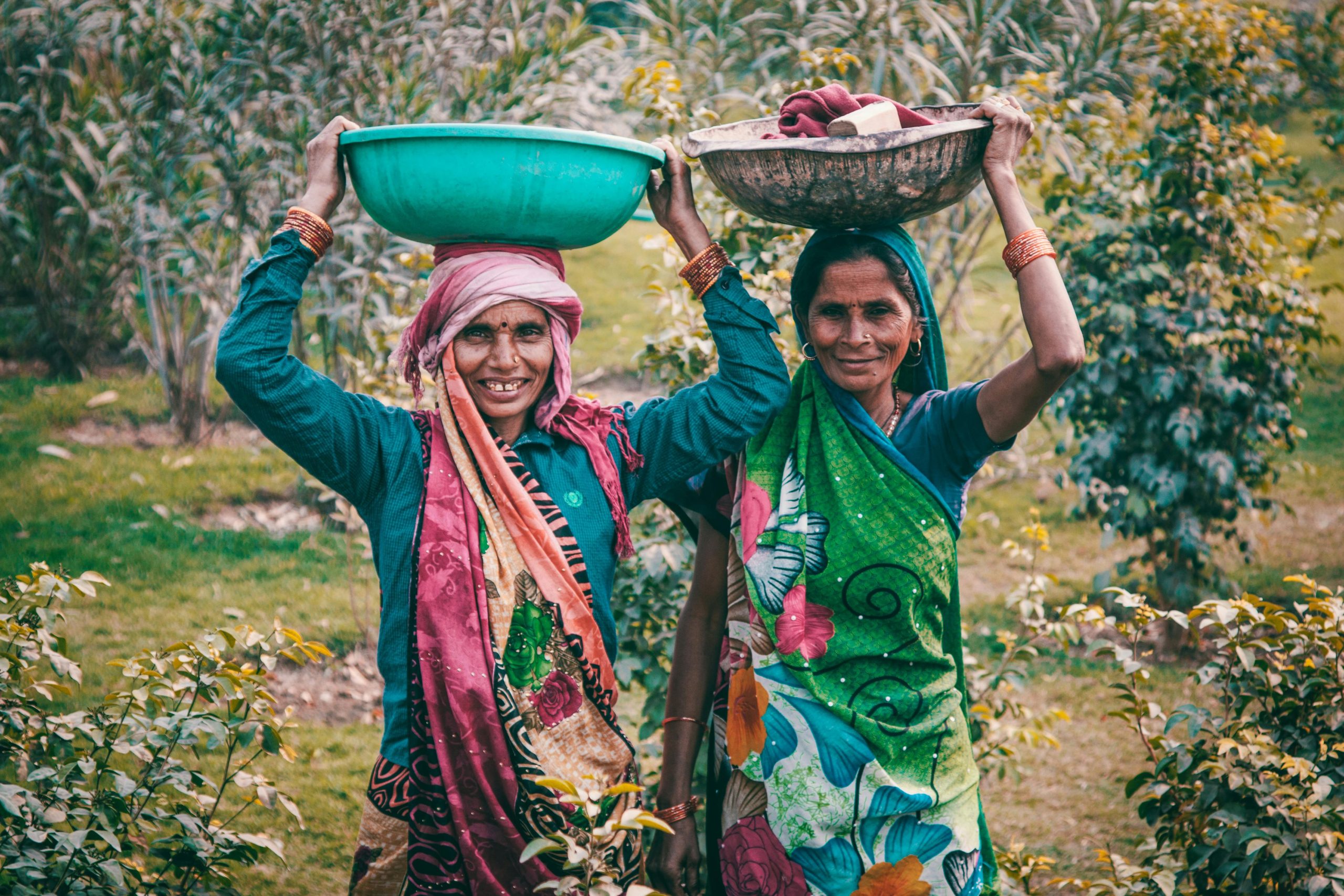 India’s female population constitutes 48.4% of the total population. As of 2023, only 28.7% of the female population was in the labor force and according to the International Labor Organization (ILO), 81.8% of working women in India are employed in the informal sector. Workers in the informal sector do not enjoy job security or benefits. Legal frameworks do not protect them and they do not possess worker rights compared to those employed in the formal sector.
Women’s cooperatives in India aim to mend this employment disparity by providing legal employment and financial independence to impoverished women working in the informal sector. This thereby empowers them to sustain themselves by participating in social and economic activities. Two significant women’s cooperatives in India are the Self-Employed Women’s Association (SEWA) Cooperative Federation and the Indian Cooperative Network for Women (ICNW).
SEWA
India’s first women’s cooperative, SEWA, was founded in Gujarat by Ela Bhatt in 1972. SEWA brings together women employed in the informal sector and strives to improve their economic conditions, “drive social change,” and fight for female workers’ rights. SEWA’s vision and mission is to empower poor women by ensuring that they achieve “full employment and self-reliance at the collective and the member level.”
As of 2024, SEWA consists of 300,000 women workers, 112 women’s cooperatives and operations running more than six sectors. The organization provides “fair employment and decent work” for women, catering to their needs as female workers. Through its cooperatives, SEWA provides financial, health care, insurance, communication, production and housing services, among others, to benefit women in the informal sector. Overall, SEWA aims to provide economic and social security to poor women through income, employment, access to credit, improved housing, education and access to health care.
ICNW
Initiated by Jaya Arunachalam in 1981, the ICNW is the first South-Indian women’s cooperative “for, by and of poor women.” It provides opportunities for poor women to learn new skills, secure employment and obtain easy access to credit. The cooperative’s vision, mission and objective are to alleviate female poverty, give marginalized women a voice and support women by empowering them to be financially self-reliant.
The ICNW has lent loans amounting to Rs.3,456 million (approximately $41 million) to more than 500,000 women from thousands of slums and villages in three South Indian states: Tamil Nadu, Andhra Pradesh and Karnataka. The group has 14 cooperative branches spread across South India, ensuring that women working in the informal sector become financially independent, receive credit at low interest rates, learn to fight for their rights as female workers and lead the way to mobilize other women to achieve socioeconomic stability.
Final Remark
As Dr. Patel and Dr. Sethi from the National Institute for Transforming India (NITI) Aayog state, encouraging “cooperative models that integrate capacity building, education, skill, training, engagement of youth and women” can help achieve the “dual targets of [India] becoming a $5 trillion economy while fulfilling commitments of U.N.-SDGs targets.”
Many such women’s cooperatives in India have taken the initiative to lift vulnerable women out of poverty by making them socially and economically self-reliant. SEWA and ICNW are two examples of organizations working toward improving the quality of life of women in India’s informal sector.
– Adya Umesh
Adya is based in Bangalore, Karnataka, India and focuses on Good News for The Borgen Project.
Photo: Pexels
