Poverty and the Preservation of Cultural Heritage in Ghana
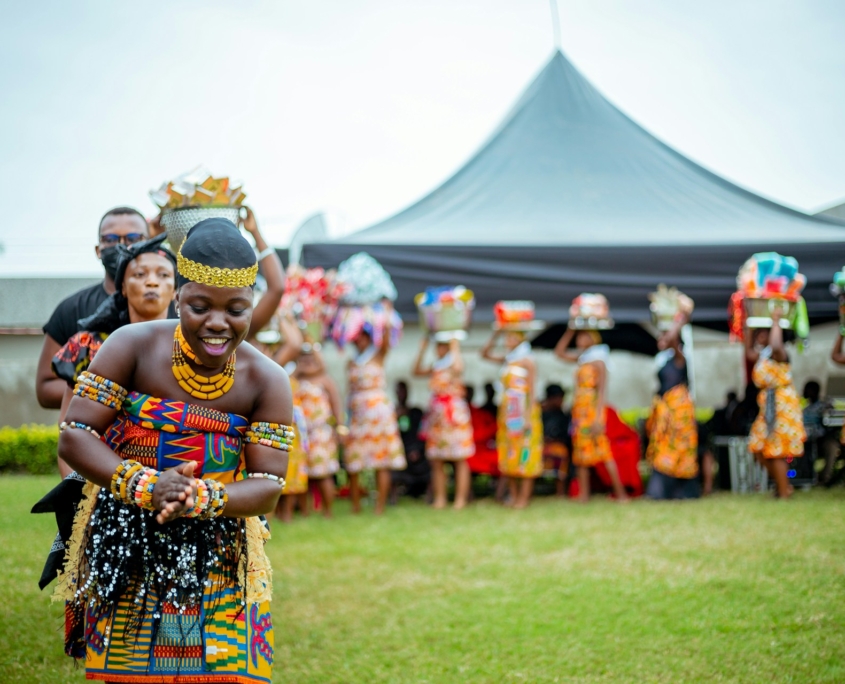 Ghana, known for its vibrant culture and historical significance, faces the dual challenge of poverty and the need for sustainable development. This West African nation’s rich traditions not only draw tourists but also serve as pillars for economic support. Preserving Ghana’s cultural heritage could be a key strategy in combating poverty and enhancing sustainable development. By leveraging its rich history and diverse cultural assets, Ghana could empower local communities and stimulate economic growth, addressing poverty through cultural conservation.
Cultural Heritage as an Economic Catalyst
Preserving Ghana’s cultural heritage offers more than a nostalgic look back; it promises economic revitalization. Ghana, known for its ancient traditions and diverse ethnic groups, provides a rich foundation for cultural tourism. Consider the UNESCO World Heritage Sites like Cape Coast Castle and Elmina Castle, which stand as powerful reminders of the nation’s intricate history. These sites preserve the memory of the transatlantic slave trade and serve as economic engines through tourism. Similarly, initiatives like the Nzulezu Stilt Village in the Western Region showcase the unique architectural heritage of Ghana’s indigenous communities. There, guided tours and local craftsmanship provide sustainable livelihoods for the residents.
Community-Based Approaches
Empowering the community is central to successfully preserving cultural heritage in Ghana. Community-based approaches focus on actively involving local populations in every part of the decision-making process, aligning preservation initiatives with the cultural values and aspirations of the people. For example, the Nzulezu Stilt Village serves not only as a tourist attraction but also showcases the resourcefulness and ingenuity of the Nzema community in surviving and thriving in their environment.
Residents actively participate in managing the site and guide visitors on how to care for the surrounding ecosystem. Similarly, the Ghana Museums and Monuments Board collaborates with communities across the nation to develop heritage conservation plans that incorporate traditional knowledge and practices.
These ongoing initiatives have raised awareness among communities about their roles as custodians of their heritage, empowering them with greater ownership and agency. This empowerment helps ensure social cohesion and resilience against external forces of change.
Traditional Knowledge for Sustainable Development
Cultural heritage plays a vital role in achieving sustainable development goals in Ghana. Generations have passed down traditional knowledge systems that significantly contribute to sustainable resource management and environmental care. For example, the Kente weaving tradition of the Ashanti people not only preserves cultural identity but also promotes sustainable practices like natural dyeing and ethical material sourcing. By integrating this traditional knowledge into current development policies, Ghana can better address contemporary challenges such as climate extremes and food insecurity while leveraging the wisdom of its ancestors.
Cultural Heritage as a Tool for Social Unity
Cultural heritage preservation unites people in Ghana, offering a platform for social inclusion and reducing ethnic, religious and socioeconomic divisions prevalent in the country. Celebrations and festivals, such as the Chale Wote Street Art Festival in Accra, play a pivotal role in enhancing cultural diversity and encouraging dialogue among different communities. These events not only reinforce national identity but also promote mutual understanding and cohesion among Ghana’s diverse population.
Creating Opportunities Through Innovation
Despite the pivotal role of cultural heritage in sustainable development, it faces numerous challenges such as underfunding, inadequate infrastructure and pressures from urbanization and globalization. To combat these ongoing challenges, Ghana is exploring innovative solutions such as public-private partnerships and community-based ecotourism initiatives. Leveraging digital technologies and investing in education and capacity-building can potentially empower local communities, enabling them to take an active role in preserving and promoting their cultural heritage while fostering economic growth and sustainability.
Looking Ahead
Ghana’s focus on preserving cultural heritage positions it uniquely to foster economic growth and community empowerment. By integrating traditional knowledge and local involvement in heritage sites, Ghana could sustainably enhance its tourism sector and provide substantive benefits to its communities. Continued investment and innovation in cultural conservation promise to build stronger, more resilient communities while promoting a diverse and unified national identity.
– Honorine Lanka Perera
Honorine is based in Highland, NY, USA and focuses on Good News and Politics for The Borgen Project.
Photo: Unsplash
