Poverty and Mobile Health Technologies in Djibouti
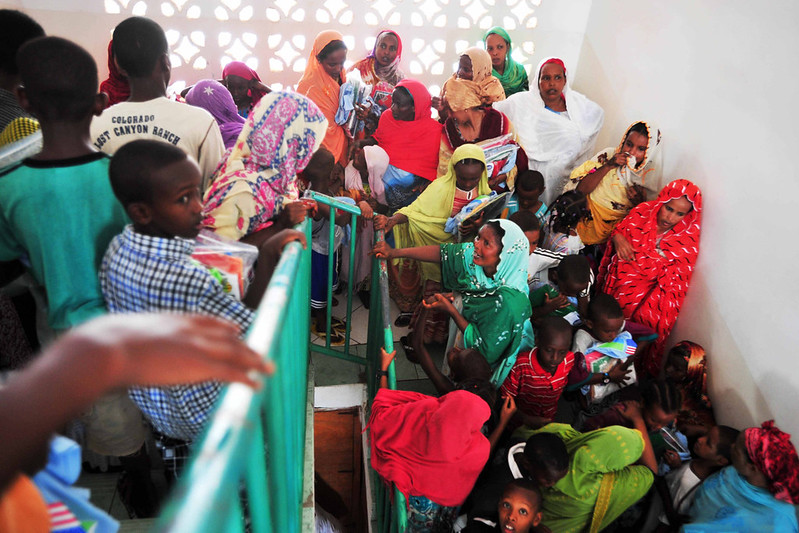 The World Health Organization (WHO) introduced the concept of mobile health (mHealth) to enhance health care systems delivery globally. mHealth utilizes information and communication technology to provide health care services. In Djibouti, where vast arid landscapes and limited clinical facilities pose significant challenges, mHealth spearheads transformative health care solutions. The country, struggling with infectious diseases and inadequate health care infrastructure, increasingly relies on mobile apps, telemedicine platforms and SMS-based interventions. By harnessing the potential of mHealth, Djibouti is making significant strides in improving health care delivery and advancing toward universal health care coverage.
Enhancing Access to Health Care Services
Many barriers to health access persist in Djibouti, exacerbated by poverty and geographical disparities. The World Bank reports that about 58% of Djibouti’s population lives below the poverty line, struggling to afford basic medical care. Mobile health technologies, however, are providing a vital bridge. Telemedicine platforms such as BaboCare and TelmedDjib enable remote consultations with health providers, effectively connecting patients with medical professionals, especially in rural areas where health care facilities are scarce. These platforms have reported a success rate of more than 70% in consultations conducted via telemedicine.
Empowering through Health Education
Health education is crucial for empowering individuals to make informed decisions about their health. Traditional methods of disseminating health information face significant challenges in Djibouti, where illiteracy rates are about 50%, according to the 2022 UNICEF report. Mobile health technologies offer a scalable and accessible solution to these challenges. Apps like AfyaDjib and Sehaty provide targeted health messages and educational content on topics from maternal and child health to infectious disease prevention. These apps have garnered widespread attention and have reportedly increased health literacy among users by 80%.
Disease Prevention Strategies
Disease prevention emerges as a crucial solution to reduce the burden of illness, especially in resource-limited settings like Djibouti. This country, grappling with a high prevalence of communicable diseases such as malaria and tuberculosis, struggles partly due to inadequate health care infrastructure. An effective and cost-efficient prevention strategy in Djibouti includes SMS-based interventions. For instance, the United to Beat Malaria campaign disseminates information on preventive measures like using bed nets and indoor residual spraying. According to the organization, this program has protected more than 40 million people from malaria in 61 countries and raised more than $75 million to combat the disease.
Challenges and Future Directions
While mobile health technologies hold great promise, challenges persist in their broad use and sustainability. These services often remain inaccessible to marginalized populations, particularly due to poor internet connectivity in rural areas. Ensuring that mHealth interventions respect cultural norms and include linguistic diversity is equally important. Therefore, future collaborations among government entities, nonprofit organizations and private sector stakeholders are crucial. These partnerships could address these challenges and fully realize the potential of mHealth technologies to improve health care delivery in Djibouti.
Looking Ahead
Djibouti’s commitment to expanding mobile health technologies promises to further revolutionize its health care landscape. As partnerships between governmental bodies, NGOs and private sectors strengthen, these collaborative efforts are set to enhance the accessibility and effectiveness of health services across the nation. With continuous innovation and strategic implementation, mHealth has the potential to significantly reduce health disparities and lead Djibouti toward achieving sustainable universal health care coverage.
– Honorine Lanka Perera
Honorine is based in Highland, NY, USA and focuses on Technology and Global Health for The Borgen Project.
Photo: Flickr
