Improving Rural Sanitation Access in Senegal
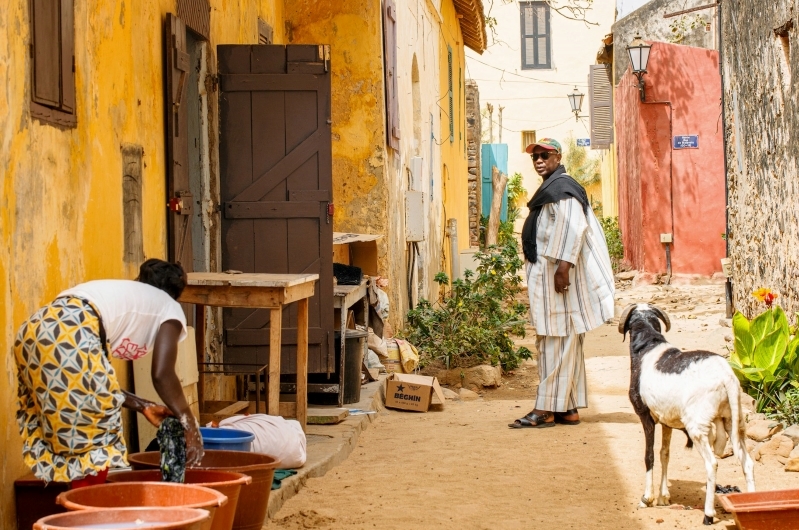 Senegal is a country in West Africa that has made great strides in expanding access to safe water and sanitation services over the past two decades. However, as in much of the developing world, rural sanitation access lags behind that of urban areas, with around 64% of people living in rural Senegal lacking access to basic sanitation in 2022. While urban areas of Senegal, like the capital of Dakar, have largely eliminated open defecation, around 1.25 million people in rural Senegal continue the practice, which causes a range of diseases such as diarrhea, “the second leading cause of death” for children under the age of 5 globally. Improper sanitation and diseases it causes perpetuate the cycle of poverty by stunting the growth of children, keeping children out of school and placing the financial burden of medical care on rural families, according to PLOS Medicine.
The Initiative
To address this public health challenge, UNICEF began to implement its highly successful Community-Led Total Sanitation (CLTS) programs in rural Senegal starting in 2009. As opposed to other, less effective rural sanitation programs, the CLTS approach emphasizes inclusive local participation to change community attitudes and behaviors regarding sanitation practices. To maximize sustainability and keep project overhead low, CLTS programs rely on UNICEF-trained local committees to manage community sanitation education and make decisions on sanitation infrastructure, such as the location of handwashing stations. Women have an equal representation in these committees, giving them a voice in their traditionally male-led communities on an issue that disproportionately affects them. Children, who perhaps open defecation and poor sanitation affect the most, take part in youth councils that can lobby UNICEF to meet their specific needs.
Educating and Making Improvements
CLTS programs combine sanitation education and basic latrines and handwashing station construction to not only create lasting sanitation improvements but also to set the stage for a smooth transition to improved sanitation in the future, according to UNICEF. While the end goal of all rural sanitation projects is to provide people with proper sanitation facilities, the poverty and established behaviors prevalent in rural areas often make this a longer-term objective. Thus, CLTS programs focus on improving rural health using cost-effective measures, such as constructing latrines and handwashing stations using locally available materials. In one example, the rural village of Bloc Chantier used old plastic peanut oil bottles that were readily available in the community to construct hand-washing stations, UNICEF reports. Such solutions provide cheap and easy ways to end the practice of open defecation, while also getting the community invested in their health and sanitation practices.
The Future
Since UNICEF began its CLTS programs in Senegal in 2009, more than 1.8 million people from 4,300 rural villages have abandoned open defecation, as of 2022, UNICEF reports. Furthermore, as of 2022, more than 6,100 of the 11,000 target villages have initiated CLTS approaches. UNICEF’s CLTS programs are not confined to Senegal and have been successfully implemented in countries from Cambodia to Timor-Leste.
Despite these successes, however, work must continue to make these gains sustainable through regular monitoring of open defecation-free communities and the provision of improved sanitation infrastructure, such as formal latrines. CLTS programs offer an excellent starting point for improving rural sanitation that can end open defecation and deliver tangible health benefits to the communities who need it most, while also engaging all members of a community to come together for a common good.
– Sebastian Hoffman
Photo: Unsplash
