HIV and AIDS in Sierra Leone
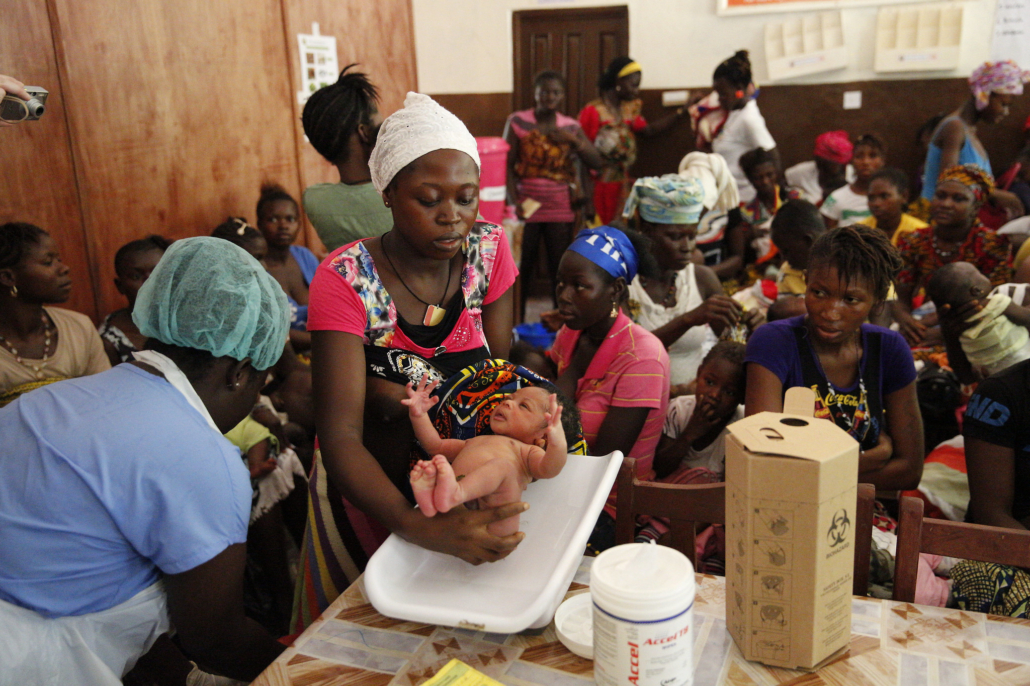
In Sierra Leone, the HIV and AIDS epidemic has been raging on since 1987, with the condition being characterized as “stable” according to the National Institute of Health.
The low-income West African country has dealt with many issues over the years, including economic and political instability, public health scares such as the Ebola epidemic which lasted two years between 2014–2016 and civil war.
Prevalence and Statistics
A 2017 report “has estimated that since the beginning of the global HIV pandemic in 1981, 35.4 million acquired immunodeficiency syndromes” which means that many people living with HIV and AIDS in Sierra Leone have severe health problems that are linked to the condition. Furthering this is “a disproportionately high number of the global total deaths (70%) occurred in sub-Saharan Africa.”
Why is HIV/AIDS So Prevalent in Sierra Leone?
Estimates have indicated that the large prevalence of HIV and AIDS in the country is due to social and economic factors, with the epidemic having “been fueled, in part by a severely under-resourced health care system, a decade-long civil war (1991–2000) and disruptions in HIV care due to the recent Ebola epidemic (2014–2016). In addition to this, treatment is also not accessible to most due to the extreme poverty much of the population faces, with there being an estimated 67,000 HIV infected people, with less than 30% receiving ART.”
ART, in particular, is a form of medication that helps treat those with the condition and lower the viral load in the bloodstream of HIV, which means it is unlikely that the infected person will spread the disease to others. Due to the large number of people not receiving treatment in the country, the worrying fact is that HIV will spread to others and create an even bigger epidemic of suffering in Sierra Leone.
UNICEF: Tackling HIV and AIDS in Sierra Leone
However, despite the severity of HIV and AIDS in Sierra Leone being particularly worrying, the charity UNICEF is currently providing vital support for those suffering from the condition to ensure those affected get access to treatment.
A story that demonstrates this is that of a lady named Edith who learned she had HIV after she lost her husband, father and children.
Edith herself stated “When I was diagnosed as HIV positive, I was sad, angry, confused and unsure about what to do next. I did not have a lot of information about this condition and was afraid that being a widow with little resources, taking a lifelong medication would be too expensive.” However, due to the help and support of UNICEF, Edith no longer has to live in fear, as Edith goes on to state “I receive my ARVs free of charge and this has helped me with treatment adherence and helping me to remain healthy and strong. Today I use the lessons and experiences I have had from taking ARVs to advise other people living with HIV on the importance of taking ARVs every day at the same time, even when the CD4 count gets high.”
The treatment UNICEF has provided Edith with has also helped to prevent it from spreading to Edith’s new husband and the baby. This is because the use of ARVs contributes to reducing HIV-related morbidities and mortalities across Sierra Leone.
Overall, UNICEF serves as an example of what charities and governments can do to prevent the epidemic of HIV and AIDS from both spreading further afield and impacting the lives of those living in underdeveloped countries. Through providing access to treatment and testing facilities, people will no longer have to live in fear of the disease and the implications of it.
– Megan Rose Miley
Photo: Flickr
