Reducing Cancer-Related Deaths in Infants
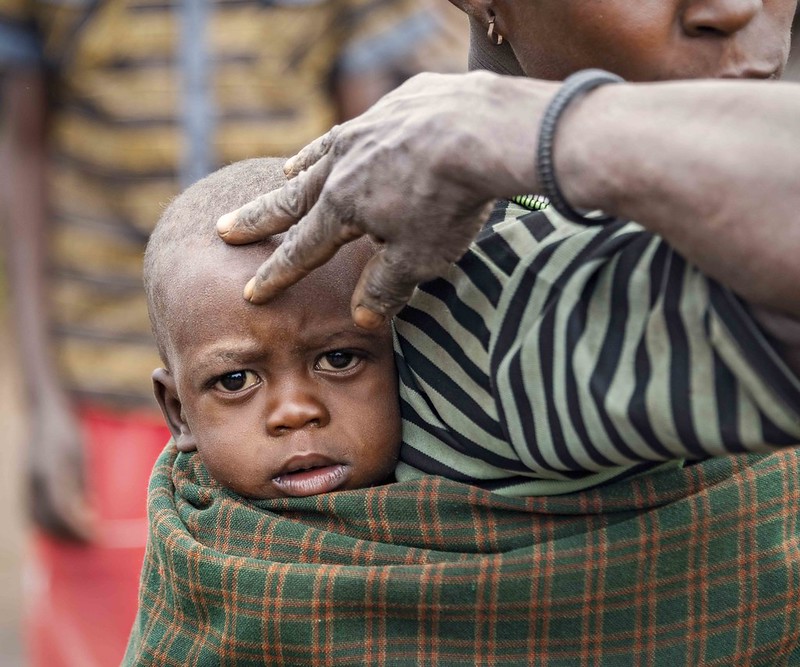 Out of the 7 million cancer-related deaths worldwide, 5 million occur in low and middle-income countries (LMCs), according to a National Library of Medicine study. Cancer accounts for 10% of the yearly death toll in LMCs. Yet, it is not acknowledged as a grave threat because diseases such as AIDS, Malaria and other infectious diseases run rampant in these countries and pull the focus away from the crucial problem of cancer-related deaths in infants.
Communicable and Non-Communicable Diseases
Due to an increase in awareness of diseases, especially in infants, there have been significant strides in the development of vaccinations against childhood infections. Other initiatives have helped provide antibiotics to fight bacterial infections in LMCs, and with heightened awareness, the general cleanliness of places of residence has also improved in many areas. All these factors have lowered the infant mortality rate from infectious childhood diseases, but in turn, have increased the mortality rate for cancer and cardiovascular-related deaths in infants.
LMCs Lead in Cancer-Related Deaths
According to The Cancer Atlas, “The childhood cancer burden is strongly related to the level of development.” Better-developed countries have lower cancer-related deaths in infants. According to a dataset that measured the frequency by which infants undergo cancer tests, North America ranked highest at 97.2%, while Asia and Africa scored 6.3% and 5.3% respectively. Unfortunately, this factor contributes greatly to the growing threat of cancer in Africa.
The Lancet Global Health conducted a study on cancer mortality in LMCs and found that sub-Saharan African countries are the most vulnerable to cancer-related deaths in infants. The study also revealed the following:
-
“Significant associations between childhood cancer mortality and numbers of hospital beds per capita, external beam radiotherapy units, nuclear medicine physicians, pathology services and transplantation services.” Most of these resources and facilities were not sufficient in most places.
-
An increase in resources and money led to an increase in diagnosis and treatment as well.
-
Other factors such as maternal education and lowered health care costs also boosted the frequency of cancer diagnosis and treatment in infants.
Poverty and a lack of education and some of the leading factors that contribute to the increasing ‘cancer burden’ in LMCs. Focusing on educating individuals and alleviating poverty, along with providing access to medical facilities is a crucial step toward increasing successful diagnosis and treatment of cancer in infants.
Cancer Preventions
Between 30% and 50% of cancers are preventable by avoiding risk factors such as tobacco, ultraviolet radiation and pollution, according to the World Health Organization (WHO). Additionally, 1 million cases of cancer are preventable through vaccination against HPV and Hepatitis B. Early diagnosis, before the cancer spreads, is essential to the treatment process according to WHO. “In [the] absence of early diagnosis, patients get their diagnoses at late stages when curative treatment may no longer be an option.”
Advanced Initiatives
Among initiatives that aim to improve the frequency of testing in LMCs and for the overall benefit of patients, are the following:
-
Specialized medical training: Providing specialized medical training and increased resources can improve patient outlook, as cancers such as leukemia and lymphoma in children have a high cure rate with effective treatment.
-
Palliative care: This is a treatment that focuses on relieving symptoms of cancer. It is an imperative aspect of cancer-related treatments. Palliative care serves to reduce the suffering of cancer patients and improve their quality of life. Due to the low diagnosis rate in sub-Saharan Africa, many individuals get their cancer diagnosis when curative treatments are no longer viable, and have to rely solely on palliative care.
These advanced initiatives are carried out by WHO, along with the Agency for Research on Cancer (IARC) and other U.N. Organizations under the banner of ‘the U.N. Interagency Task Force on the Prevention and Control of Non-communicable Diseases.’
This task force aims to reduce premature mortality from cancer and other non-communicable diseases by 25%. It was established in 2013 by the U.N. Secretary-General and over 40 U.N. agencies, encompassing developmental banks and intergovernmental agencies, are a part of it. The task force provides direct medical aid to LMCs by mobilizing resources to inaccessible areas. It also advocates for the necessary global governmental aid required to fight cancer and other non-communicable diseases.
Looking Ahead
Through various avenues such as monitoring the global “cancer burden,” conducting detailed research on causes of cancer and providing technical assistance in LMCs, WHO and the U.N. hopes to significantly reduce cancer-related deaths in infants. Success in this endeavor will help many more children enjoy good health and long life.
– Vahisté Sinor
Photo: Flickr
