Sanitation Facilities Empower Girls to Learn
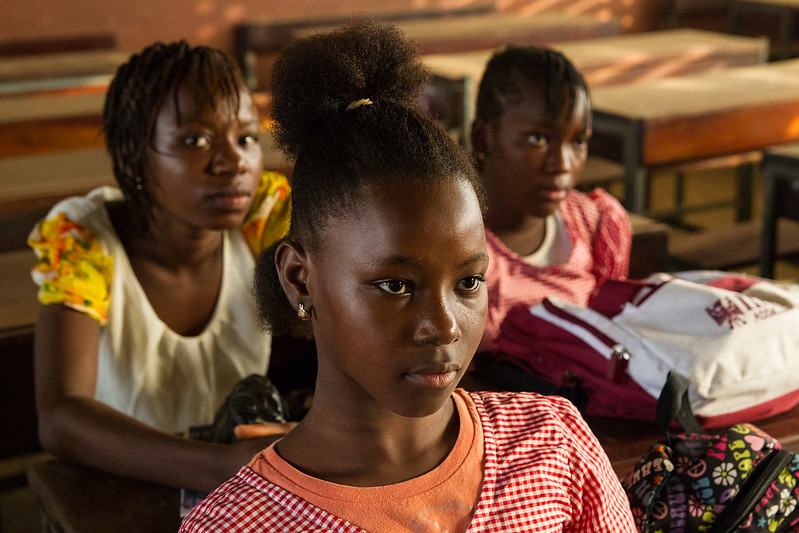
About 2.3 billion people around the world lack access to basic sanitation facilities, according to UNICEF. A lack of sanitation facilities in schools can discourage girls from attending school. When girls have access to clean, enclosed sanitation facilities during their menstrual periods and potential pregnancies, they are less likely to skip school or drop out entirely. Sanitation facilities empower girls to attend school by allowing them to feel safer and more comfortable with access to adequate facilities to properly manage their menstruation. In turn, dropout rates decrease and girls’ education completion rates increase.
Private Changing Rooms
Private changing rooms for girls to bathe and change in can help girls feel more comfortable attending school and participating in lessons. Changing facilities with water supplies offer girls a place to change, wash and dry menstrual supplies during the school day. Some changing rooms may also provide students with free menstrual supplies, which is essential for impoverished girls who lack access to these products outside of school.
Without private changing rooms, female students may feel embarrassed to come to school during their periods, especially in countries where people stigmatize menstruation. According to a World Bank study in India, 80% of girls from rural areas in India thought menstrual blood carried harmful substances and 60% believed menstruation is a topic that people should discuss openly.
The availability of changing rooms in schools is also important for pregnant students who require privacy and good-quality sanitation. A lack of proper sanitation facilities stands as a barrier for many pregnant students who feel discouraged and uncomfortable coming to school otherwise. Hygienic sanitation facilities empower girls by helping them feel comfortable at school, even during menstruation or pregnancy.
Private Bathrooms
Much like changing rooms, private bathrooms in schools with modern urinals or toilets can benefit girls’ education. Private bathrooms may include menstrual supplies and waste disposal, which encourages girls to come to school even during their periods. In cultures that stigmatize menstruation, some girls pretend to be ill or come up with other excuses to avoid attending school during their periods due to shame or embarrassment. Many girls do not attend classes during their periods because their schools lack toilets with water facilities as well as discreet sanitary waste disposal areas. Enclosed and gender-specific bathrooms can also improve girls’ safety by giving them privacy when using the bathroom, which protects them from sexual assault and natural dangers such as snake attacks. Private bathrooms and sanitation facilities empower girls by increasing school attendance rates during menstruation.
Organizations Making a Difference
Many organizations around the world are helping girls remain in school during their menstrual periods by providing clean sanitation facilities and free menstrual hygiene products. For example, ZanaAfrica is a social enterprise that works in Kenya to provide girls with reproductive health education and sanitary pads. The enterprise also leads policy and advocacy programs to help break the silence and shame surrounding menstruation.
In Kenya, estimates indicate that 1 million Kenyan girls miss out on education every month due to a lack of menstrual products and sanitation facilities. ZanaAfrica’s approach to supporting girls in school consists of three key steps: integrating health education into schools, collaborating with local partners to provide sanitary pads and education and leading with advocacy and policy. Since 2013, ZanaAfrica has provided more than 50,000 Kenyan girls “with health education, sanitary pads, underwear and mentors.”
Sanitation facilities empower girls to attend school, dissolving barriers to education so that girls can develop the knowledge and skills necessary to rise out of poverty. Girls’ access to sanitation facilities in schools is a necessary step in fighting gender inequality. With an education, girls in developing countries can access skilled jobs and contribute to the growth of the economy, reducing global poverty overall.
– Cleo Hudson
Photo: Flickr
