The Need for Aid Toward Vector-Borne Diseases
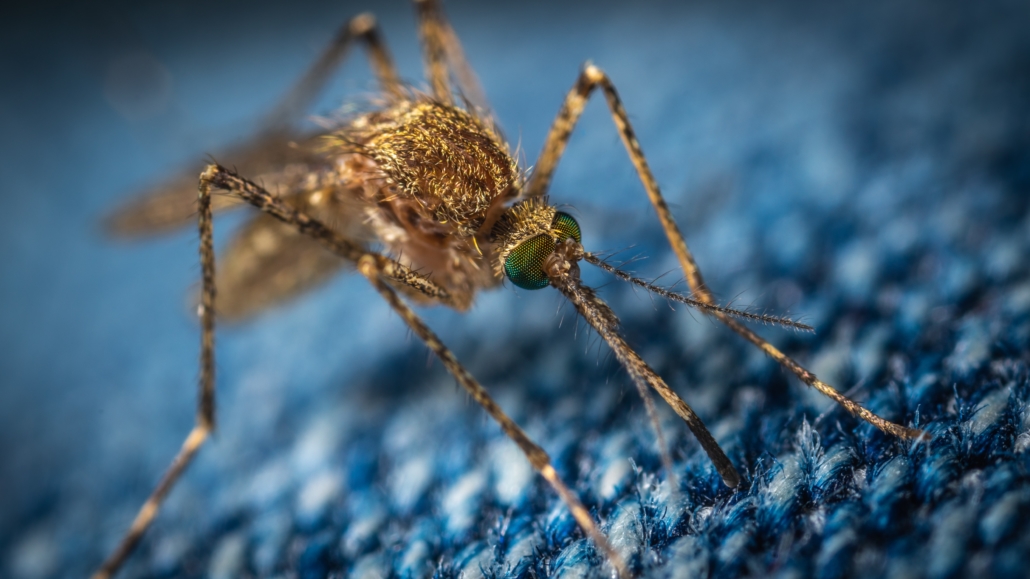 Disease and poverty are two deeply interconnected issues affecting many countries across the world, particularly those in Africa. Among the most pressing diseases are those that are vector-borne, (illnesses caused by pathogens and parasites in the human population) such as malaria and dengue fever. Unfortunately, these diseases foster ideal conditions for poverty, given their effects on the working population. Moreover, poverty also creates conditions that foster vector-borne diseases, such as underdeveloped healthcare, a lack of information and poor living conditions.
About Vector-Borne Diseases in Africa
According to the World Health Organization (WHO), malaria is the most deadly vector-borne disease. It leads to approximately 1.2 million deaths annually. A 2017 report from the WHO shows that 90% of the roughly 219 million global malaria cases are found in Africa. Dengue fever is also a particularly concerning vector-borne disease. As of May 2021, dengue is endemic in more than 100 countries. Dengue fever can develop into a lethal form of the illness, called severe dengue.
Impact on Poverty
In order to eradicate poverty, there must be a working population that can sustain itself. With the devastating symptoms of diseases like malaria and dengue, many are forced out of work, unable to sustain themselves. According to a 2019 study in BMC’s Malaria Journal on a farm in Zimbabwe, absenteeism among those affected by malaria was between 1.4 to 4.1 business days during the 5 month study. This is especially concerning given that in 2019, 15 countries in both Sub-Saharan Africa and India carried 80% of the world’s malaria burden. This means that in African countries where malaria is prevalent, millions of workers are unable to sustain themselves as they fight for their lives.
Current Solutions
Many non-governmental organizations (NGOs) are aiming to combat vector-borne diseases on both domestic and global scales. Initiatives by the CDC and WHO are invaluable ways to mitigate this health crisis. Even with this, one of the most influential solutions is foreign aid. As one of the most powerful and influential countries in the world, the U.S. can distinctly impact the global disease burden.
Malaria is one of the biggest health priorities of USAID, with funding going toward research and the development of vaccines and insecticide tools. USAID also collaborates with other groups and organizations, like the RBM Partnership to End Malaria and The Global Fund to Fight AIDS, Tuberculosis and Malaria. There is also the U.S. President’s Malaria Initiative, which is led by USAID and includes 27 different programs in Africa and Asia aimed toward building treatment capacity for malaria and other vector-borne diseases.
Aid Looking Forward
Despite this funding into research, African countries desperately need more aid. As of 2019, nearly 95% of malaria deaths were in Africa. It is evident that current aid is useful, yet the gravity of the current disease burden requires further U.S. commitment. Research funding, treatment capacity building and development in African countries are crucial initiatives. Organizations like USAID are important vessels to create necessary change.
While initiatives solely targeted toward poverty reduction are necessary, they cannot completely eradicate poverty. This is largely because poverty is such a multifaceted issue.
As vector-borne diseases create conditions for poverty, poverty exacerbates vector-borne diseases. Therefore, they must both be approached in tandem, with further aid and support from the United States.
– Samuel Weinmann
Photo: Unsplash
