How to Fight Poverty Using Solar Energy in Uganda
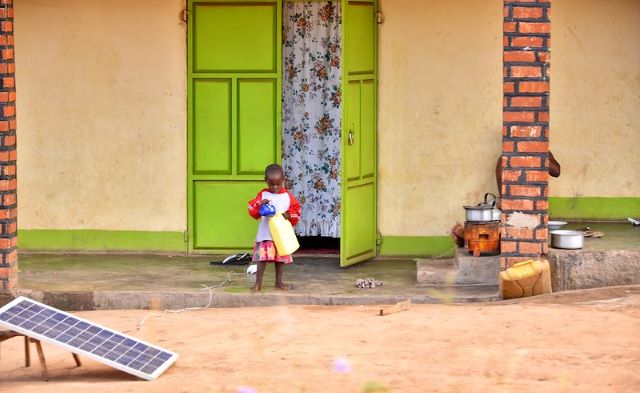 As of 2016, it was estimated by the World Bank that only 26% of Uganda’s population has access to electricity. In urban areas, the percentage is higher, at about 60%. However, in rural areas, the amount of people with electrical access is limited to only 18%. The use of solar energy in Uganda hopes to bring increased access to electricity, specifically in rural areas, as well as make electricity more affordable for the population.
What is Solar Energy?
Solar energy is energy from the sun that can be used electrically or thermally. It is a renewable energy source that provides a sustainable and clean alternative. Through photovoltaics (solar thermal collectors) solar power is collected and then converted into an energy source that can be used as a heating system or for electricity.
Solar Energy Fighting Poverty
Solar energy in Uganda can bring poverty reduction. It is an affordable and reliable source of energy that rural areas can depend on. It can also produce jobs within the community. Since solar energy makes household chores easier, women and girls have more time available to search for jobs or pursue education and development opportunities. Overall, renewable energy is a valuable component to provide electricity access, financial empowerment and sustainable economic and social development.
European Investment Bank (EIB)
With solar energy, more of the country will have access to electricity. The European Investment Bank (EIB) is using its finances to help people without electricity in Uganda. As it is the rural communities that are more affected by a lack of electricity, programs are more focused on maintaining reliable resources for those areas.
Through EIB’s efforts, more than one million people in Uganda will have access to electricity for the first time, making for easier cooking and the ease of many other household activities. Families will also be able to save money since the household will not be using as much kerosene, candles or charcoal. Indoor pollution will decrease from less kerosene usage and fire hazards will be reduced.
Reliable electricity has many benefits, with access to health opportunities being one of them. With access to phones, radios and televisions, farmers will be open to markets that can increase their income. EIB has given a loan of $12.5 million to build 240,000 solar home systems throughout Uganda, increasing economic and social opportunities.
Sustainable Energy for All (SEforALL)
Sustainable Energy for All (SEforALL) created an agenda that was adopted by Uganda’s government to help provide an increase in accessibility. The goal is to provide more than 99% of the population with access to electricity by 2030 and improve the energy efficiency of power users by at least 20% by 2030. SEforALL plans on accomplishing this ambitious goal by building energy savers throughout the country in households, industries, commercial enterprises and more.
It is clear that Uganda is in need of more access to electricity throughout the nation. Solar energy is one of the sources that hopes to increase those numbers. There is still a lot to be done to raise access to electricity from 26% to 100%, but with efforts from Sustainable Energy for All and the European Investment Bank, the situation looks exceptionally hopeful.
– Sarah Kirchner
Photo: Flickr
