Living Conditions in Liberia
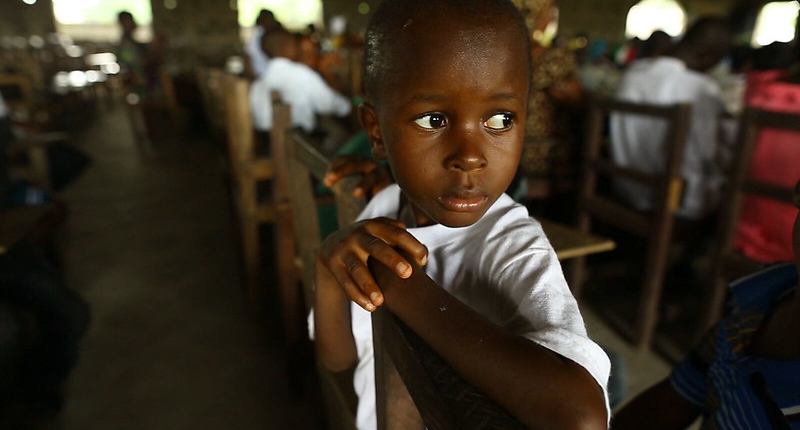 Liberia is located along the western coast of Africa’s rough and diverse terrain. The country experienced peace and stability until 1989 when a rebellion ensued. The Civil War in Liberia then persisted until 2003. As a result, high poverty rates and unstable living conditions became too common in Liberia.
Living Conditions in Liberia
According to the World Bank, approximately 54% of Liberia’s population lived below the poverty line in 2014. More than 2.1 million Liberians were unable to obtain basic necessities between January and August 2014. Today, 20% of the population lives in extreme poverty.
The number of those living in extreme poverty within urban and rural areas is the same, which is unusual. According to the report, the primary reason why urban areas have such high levels of poverty is that homeowners are unable to afford basic necessities such as food and electricity.
Furthermore, Liberia faces disheartening statistics common in impoverished countries. The nation has one of the highest infant mortality rates in the world, along with many children at risk of death from preventable illnesses like malaria. Life expectancy, education and income are ranked extremely low on a worldwide scale. The nation also has the world’s third-highest unemployment rate.
ChildFund
The ChildFund organization is one working to help improve living conditions in Liberia. Through the support of donors, the organization distributed mosquito nets to more than 477,000 people across the nation. Years of war forced children to forfeit education and serve Liberia. However, ChildFund offers these former child soldiers educational opportunities. The Community Education and Investment Project aims to provide children the opportunity to enroll in schools. Thus far, ChildFund has supplied more than 75,000 books to 110 schools across Liberia.
ChildFund works to empower Liberians and provide them with resources to rebuild their lives. The organization has constructed early childhood development centers, community healthcare facilities and centers for women. Though living conditions in Liberia are less than favorable, ChildFund’s efforts are making a substantial difference.
Liberian Agriculture Project
According to the World Bank’s Country Economist Daniel K. Boakye, improving agriculture will help bring Liberia out of poverty. Increased food growth and therefore increased sales will stimulate the rural communities while providing urban areas with much-needed agricultural products. One organization tackling agriculture in Liberia is the Liberian Agriculture Project.
The Liberian Agriculture Project works to support small-scale farmers of fruit crops such as pineapples and bananas in Liberia. The organization is involved in the growing and handling of sales for rural farmers. Currently, the project is working toward getting specialty products into the seven main food markets in the capital of Monrovia, Liberia. Additionally, making the transition from subsistence farming to commercialized agriculture is another goal.
Although the Civil War ended years ago, living conditions in Liberia continue to be affected by ongoing conflict and tensions. The stress of high unemployment rates, food shortages and limited access to healthcare still affect the average Liberian family. However, efforts put forth by nonprofit organizations and charities like ChildFund and the Liberian Agricultural Project are taking the right steps to help bring Liberia out of poverty.
– Aditya Daita
Photo: Flickr
