3 Organizations Combating Sweatshop Labor
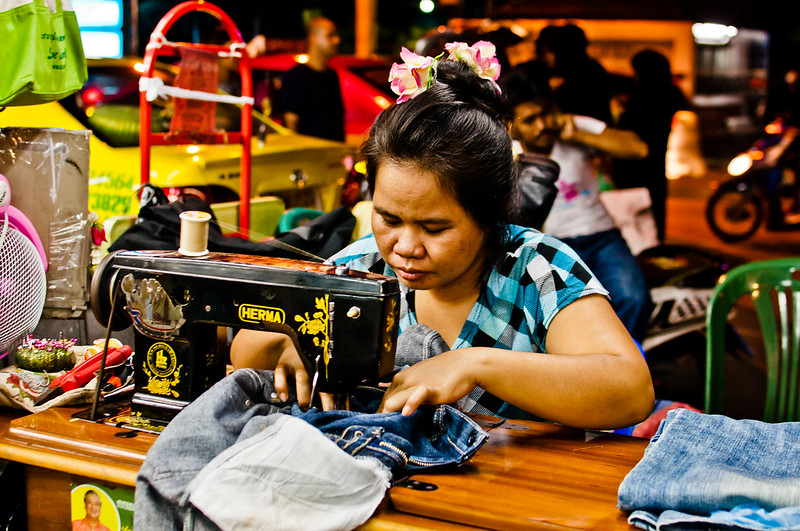 The fashion industry is built upon the exploitation of cheap labor from developing countries. As a result of latent consumerism and a desire to mass-produce clothing for wide consumption, the fashion industry continually employs outside labor to make clothing that is designed to fall apart so consumers keep buying more. These companies often have no regard for the treatment of their workers. A common misconception about sweatshop labor is the idea that it can alleviate poverty. In reality, it perpetuates existing cycles of poverty by only giving workers enough money for food and lacking a long-term solution for eradicating poverty. Many workers in countries like Bangladesh or Cambodia earn less than one dollar per day and struggle to pay bills, despite working more than 40 hours a week. While more brands have committed to moving away from fast fashion practices in recent decades by opening up about where their garments are made, many companies are still using sweatshop labor to make clothing because of its cheap price. According to Camille Segre-Lawrence, “unhealthy and unsafe working environments are paired with low or unlivable wages and child labor….large corporations cover their stories up.” Lawrence is a Textile Development major at the Fashion Institute of Technology and advocates for sustainable clothing production that does not contribute to fast fashion. Around 168 million children under the age of 18 are forced to work in sweatshops. However, three organizations are working on combating sweatshop labor.
National Labor Committee
The National Labor Committee is an organization committed to educating consumers about the horrors of the fashion industry by posting articles on its website. It also provides resources to help consumers trace where popular brands manufacture their garments. As mentioned previously, the enhanced scrutiny by consumers has forced various brands to disclose where and how their garments are being made, leading to increased transparency of their business practices. “The fashion industry needs to recognize that it’s up to corporations to fix these issues,” says Lawrence. The National Labor Committee is doing just that by highlighting the human rights issue of sweatshop labor through articles.
Fair Labor Association
The Fair Labor Association (FLA) seeks to end sweatshop labor on a similar scale by holding companies accountable for the manufacturing of their products through educational resources. However, this organization is unique in that it partners with universities and companies across the country to train workers and encourage schools to buy ethically made products. Many schools like Princeton and Arizona State University are FLA partners, and the FLA’s reach has only expanded since starting in 1999. Organizations like the FLA have increased awareness of the fast fashion industry, leading to a rise in sustainable fashion. Furthermore, many students across the country have started to campaign for ethically made apparel and furniture for their universities.
United Students Against Sweatshops
Also focusing on the trend of outreach, this organization—also known as SAS—encourages students across the US to take action to end sweatshop labor by creating clubs on their campuses. United Students Against Sweatshops partners with the WRC to ensure that suppliers are meeting regulations and using transparency in their manufacturing processes. Over 250 schools across the U.S. and Canada have SAS branches on campus, which further spreads this company’s reach.
The common trend of these organizations combating sweatshop labor is their national scale and specific focus on the biggest consumers of fashion goods: young adults and college students. By spreading awareness about the hazards of sweatshop labor against the trend of increasing outsourced labor, consumers are becoming more informed of how their spending habits can exacerbate poverty and abuse in developing countries throughout Asia and Africa. These organizations are paving the way for developed countries like the US to end sweatshop labor by exposing the harmful conditions endured by sweatshop workers. Encouraging universities and companies to negotiate with large corporations to improve working conditions is a major step in the right direction towards eliminating fast fashion and alleviating global poverty.
– Xenia Gonikberg
Photo: Flickr
