• Link to X
  • Link to Facebook
  • Link to Instagram
  • Link to TikTok
  • Link to Youtube
  • About
    • About Us
      • President
      • Board of Directors
      • Board of Advisors
      • Financials
      • Our Methodology
      • Success Tracker
      • Contact
  • Act Now
    • 30 Ways to Help
      • Email Congress
      • Call Congress
      • Volunteer
      • Courses & Certificates
      • Be a Donor
    • Internships
      • In-Office Internships
      • Remote Internships
    • Legislation
      • Politics 101
  • The Blog
  • The Podcast
  • Magazine
  • Donate
  • Click to open the search input field Click to open the search input field Search
  • Menu Menu
Blog - Latest News
Global Poverty

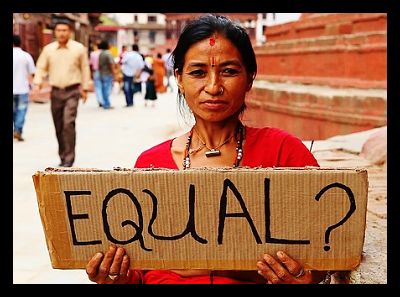
Gender Inequality Runs Rampant in India
Gender Inequality Runs Rampant in India

In New Delhi, there are 13 times more toilets for men than there are for women. Specifically, there are 3,712 male public toilets, and a mere 269 female toilets. Women sometimes must resort to defecating in the open, which besides the obvious privacy violation, poses a significant risk of rape and violence.

Public Toilets in New Delhi are just one example of discrimination against women in India; it starts before women are even born, and continues throughout their entire life. Girls can be perceived as a financial burden in parts of India, as a result of their limited income opportunities and costly dowries; 500,000 Indian girls have died as a result of pre-natal sex selection and infanticide over the last 20 years.

If a bride can’t fulfill her dowry, she faces the risk of torture and death at the hands of her in-laws. In 2005, nearly 7,000 Indian women were killed for being unable to meet the financial requirements of their dowries, some of them as young as 15 years old.

Indian women are humiliated, abused, and killed every day. Before they are even born, their opportunities and experiences are decided for them. They will face violence and inequality at almost every turn; and even something as simple as access to public restrooms is not guaranteed for them.

There are ways to encourage gender equality in India, though they may be easier said than done. Laws that discriminate against women need to be amended; girls need to be educated to level the intellectual playing field, and India’s practice of perceiving men above women, needs to be addressed for change to last.

– Dana Johnson

Sources: Trust, Advocates for Youth, Brookings
Photo: Asia News


May 24, 2013
Share this entry
  • Share on Facebook
  • Share on X
  • Share on WhatsApp
  • Share on Pinterest
  • Share on LinkedIn
  • Share on Tumblr
  • Share on Vk
  • Share on Reddit
  • Share by Mail
https://borgenproject.org/wp-content/uploads/borgen-project-logo.svg 0 0 Borgen Project https://borgenproject.org/wp-content/uploads/borgen-project-logo.svg Borgen Project2013-05-24 03:00:512024-05-24 23:52:36Gender Inequality Runs Rampant in India

Get Smarter

  • Global Poverty 101
  • Global Poverty… The Good News
  • Global Poverty & U.S. Jobs
  • Global Poverty and National Security
  • Innovative Solutions to Poverty
  • Global Poverty & Aid FAQ’s
Search Search

Take Action

  • Call Congress
  • Email Congress
  • Donate
  • 30 Ways to Help
  • Volunteer Ops
  • Internships
  • Courses & Certificates
  • The Podcast
Borgen Project

“The Borgen Project is an incredible nonprofit organization that is addressing poverty and hunger and working towards ending them.”

-The Huffington Post

Inside The Borgen Project

  • Contact
  • About
  • Financials
  • President
  • Board of Directors
  • Board of Advisors

International Links

  • UK Email Parliament
  • UK Donate
  • Canada Email Parliament

Get Smarter

  • Global Poverty 101
  • Global Poverty… The Good News
  • Global Poverty & U.S. Jobs
  • Global Poverty and National Security
  • Innovative Solutions to Poverty
  • Global Poverty & Aid FAQ’s

Ways to Help

  • Call Congress
  • Email Congress
  • Donate
  • 30 Ways to Help
  • Volunteer Ops
  • Internships
  • Courses & Certificates
  • The Podcast
Link to: Early Warning Systems are Not Just for Earthquakes Link to: Early Warning Systems are Not Just for Earthquakes Early Warning Systems are Not Just for Earthquakes Link to: History of the Peace Corps Link to: History of the Peace Corps History of the Peace Corps
Scroll to top Scroll to top Scroll to top