7 Facts About Child Labor in Argentina
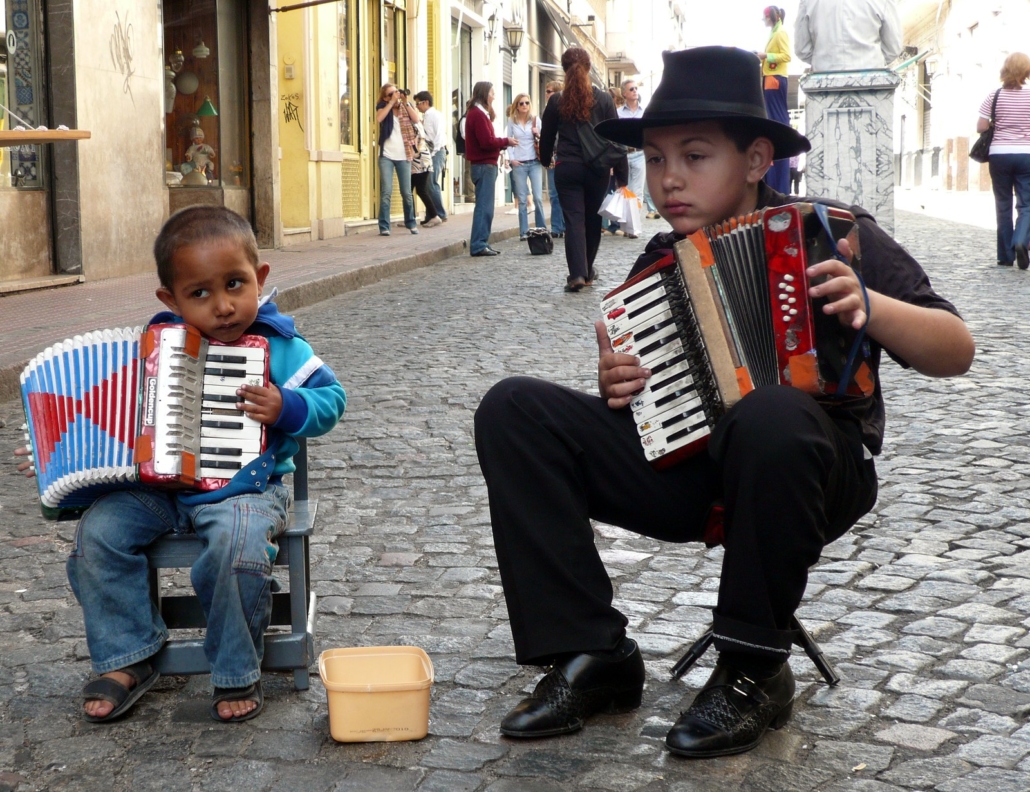 More than 125 million children are currently forced into child labor, primarily to help financially support their families. Argentina is one of the many countries that informally uses child labor in its factories and industries. Unfortunately, these children are often overworked and underpaid. As the cruelty and injustice of child labor become increasingly exposed, strides are being made to eliminate the inhumane practice worldwide. Here are seven facts about child labor in Argentina.
7 Facts About Child Labor in Argentina
-
Cruel conditions and high poverty levels force many young Argentinians into child labor. More than 19% of children ages five to fifteen enter the labor system to provide for their families. This figure is typically higher in urban areas, with up to 43% of children working to supplement their families.
-
Gender plays a defining role in economic prosperity. In Argentina, there is a large socioeconomic gender gap between men and women in wages and school enrollment. For children under fifteen, a 22% wage gap exists between boys and girls. The problem worsens with age: men are 40% more likely to receive higher wages than women in comparable fields. As such, men more commonly drop out of school and work full-time to provide for their families.
-
Actions are being taken to reduce child labor. While child labor remains prevalent, many projects and programs have helped lessen the practice in Argentina. Extensive time and work obligations limit many of these children from attending school and flourishing in their education. Proniño, a philanthropy program in Buenos Aires, aims to rectify this problem by funding scholarships for families dependent on their children for income. With more than 1,590 beneficiaries, Proniño has provided hope to numerous students with only a 1.9% dropout rate.
-
Human trafficking is an improving, yet rampant concern. In Argentina, more than 10,000 victims were rescued from human trafficking. Yet, many are still suffering: there are currently at least 4,000 human trafficking victims every year, most of whom are women and children. Human trafficking often entails coercing children into illicit activities like drug dealing or sexual exploitation. Large international organizations such as UNICEF are taking major steps to eradicate these actions and increase opportunities for disadvantaged children in Argentina. For example, the Ministry of Education and UNICEF enacted a two-year program to provide scholarships for students to attend school in areas protected from human trafficking. Similarly, UNICEF has allocated an annual budget of $123 million to establish social programs for countries including Argentina. This funding also strengthens educational opportunities for children vulnerable to dangerous household situations and child labor.
-
Child labor takes many forms. Although common forms of child labor, such as sweatshops, are technically banned in Argentina, the practice persists in other, less obvious forms. For example, many children in the countryside are coerced into prostitution or work on tobacco fields. Despite the historic popularity of these actions, drastic measures are emerging to mitigate their occurrence. Particularly, the Argentinian government is taking stronger stances against child labor laws and corrupt business practices, such as exploiting children to work on plantations. In fact, the government signed a 2018-2020 plan to end human trafficking, child prostitution and exploitation. Also, for the first time, the government sent out a nationwide survey through Argentina’s National Institute of Statistics to better understand child labor laws. The government is currently researching more measures to eliminate child labor.
-
Healthcare access and child labor are interconnected. Access to healthcare is a prolonged problem in Argentina that perpetuates children into forced labor. Many poor Argentinian families turn to child labor as one of the only ways to afford the medical attention they need. However, a law established in 2005 provides health services and medical supplies to underprivileged children, eliminating much of the financial pressure to engage in child labor for this purpose.
-
International organizations are getting involved. The United Nations has established objectives to not only lower child labor, but also limit poverty in Argentina. By establishing the Millennial Development Goals, the United Nations hopes to free 760,000 children and families living in underdeveloped areas from child labor. This project focuses on three major hubs of child labor within the country: Buenos Aires, Mendoza and Santa Fe.
Although Argentina still uses child labor in many of its business practices, governments and international organizations are acting swiftly to reduce the amount of forced labor impressed upon young children. With these comprehensive plans in the making, there is promise for eradicating child labor in Argentina.
– Aishwarya Thiyagarajan
Photo: Flickr
