Fighting Hunger in Tajikistan
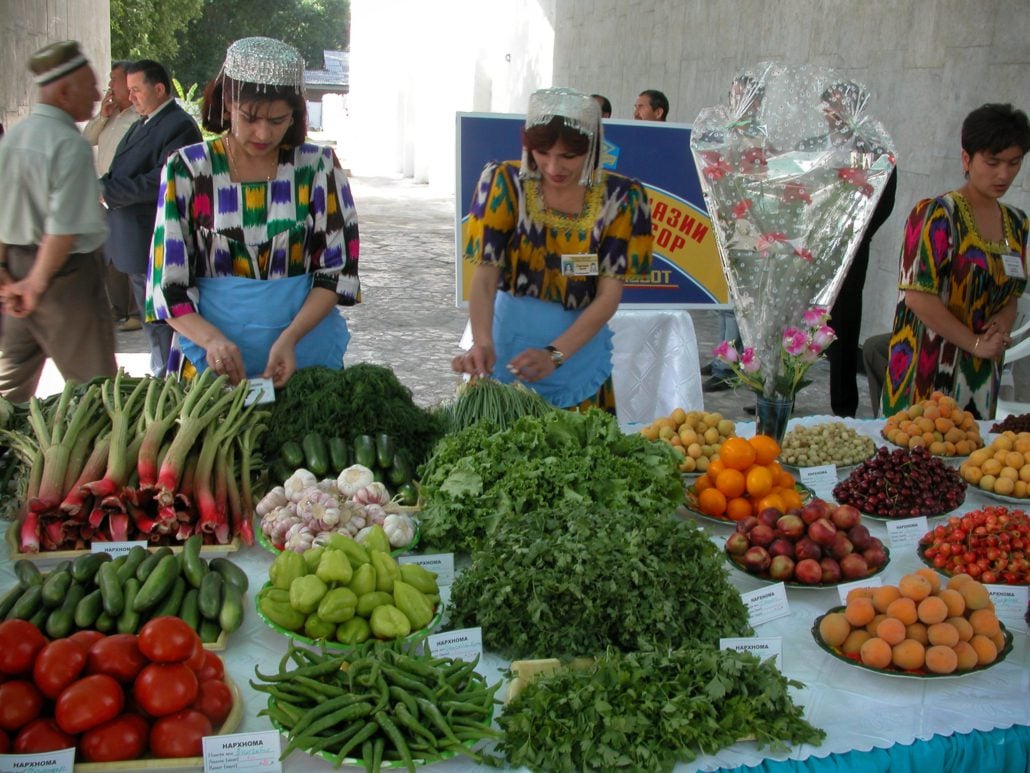 Tajikistan, a former Soviet republic, is the poorest nation in the Europe and Central Asia region. Although the poverty rate is declining, almost 11% of the population is estimated to be below the lower middle-income poverty line. Tajikistan is a landlocked country, 93% mountainous, with only 6% of its land arable. Almost a third of the population is undernourished (combining measures for stunting, wasting, overweight and underweight).
Tajikistan ranks 65th of the 127 countries assessed in the 2024 Global Hunger Index, with its level of hunger classified as “moderate.” The GHI components for measuring hunger severity include population undernourished (8.7%)—the share of the population with insufficient caloric intake; children under 5 stunted (18.4%) or wasted (5.1%); and children who die before their fifth birthday (3%).
Over the last 15 years, there have been multiple projects to address food insecurity and hunger in Tajikistan. These have included:
Projects Addressing Food Insecurity and Hunger in Tajikistan
- FAO: The Food and Agriculture Organization of the U.N. provided support to Tajikistan in implementing its Agrarian Reform Programme for 2012-2020, including assistance regarding federal policies on food security, distribution and nutrition.
- Scaling Up Nutrition: In September 2013, the Republic of Tajikistan joined Scaling Up Nutrition, a U.N.-initiated movement now consisting of 66 countries that work alongside central and local governments with a mission to end malnutrition by 2030. “Institutional transformations” in Tajikistan have included the Multisectoral Coordinating Council, which developed a four-year action plan to improve nutrition; legislation to improve food quality; and an action plan for awareness-raising campaigns.
- Feed the Future: Feed the Future, which has received funding from U.S. foreign assistance and the World Food Programme (WFP), was active in targeted rural areas in Tajikistan as THANA, Feed the Future Tajikistan Health and Nutrition Activity, from 2015-2020. THANA was focused on Tajikistan’s Khatlon region, a key province for agricultural production in the southwest area of Tajikistan with high undernutrition and poverty. During its existence, THANA’s impact included the delivery of nutrition services to almost 250,000 women and 600,000 children that improved dietary diversity of women, provided postnatal care to newborns and increased the number of children who received a minimally acceptable diet. It also included the behavior intervention training of 1,400 health volunteers and 500 agriculture volunteers, and the involvement of almost 450,000 community members in agriculture management.
- The Prevention and Treatment of Moderate Acute Malnutrition Project: The Prevention and Treatment of Moderate Acute Malnutrition Project received funding from U.S. foreign assistance and the World Food Programme implemented it. From 2018-2022, the project worked to improve nutrition and health care in targeted districts.
- The Digital Villages Initiative: The United Nations’ Food and Agriculture Organization (FAO) introduced the Digital Villages Initiative in January 2021 to introduce information and communication technology in at least 1,000 villages worldwide. The goal was to facilitate and support agricultural and rural development. The digital tools can provide access to, and/or information on, markets, alternative sales channels, price, weather, crop management, financial aid and insurance, etc. In Tajikistan’s rural Lolazor, this has included securing a 3G network, developing agritourism capabilities and using digital platforms for promotion, launching a digital demonstration farm for educational purposes and engaging in “living labs” to improve digital skills.
- The Bokhtar Food Forums: Tajikistan’s Khatlon Regional Government and the Export Development Agency of Tajikistan cohosted the Bokhtar Food Forums, along with other international partners, to “enhance” Central Asia’s regional trade and connectivity. U.S. foreign assistance in Bokhtar, Tajikistan sponsored the 2024 forum. The forums have facilitated millions of dollars of contracts that have benefited Tajik traders and farmers. In October 2024, more than 400 government officials, regional buyers and Khatlon horticulture producers participated in activities designed to facilitate Tajik agricultural export trade by developing market connections, fostering public-private discussions and attracting investments.
The World Food Programme’s Most Recent Partnerships in Tajikistan
The World Food Programme’s most recent strategy and partnerships for Tajikistan extend through 2028:
- WFP Tajikistan Strategy: WFP’s strategic plan for Tajikistan for 2023-2026 comprises three strategic results: access to food for all, no one suffering from malnutrition and sustainable food systems. Focus areas are resilience building, root causes and crisis response and the activities include carrying out specific activities, strengthening local capacity, providing interventions to targeted groups and strengthening the capacity of the public and private sectors.
- State Programme on the Development of School Feeding in Tajikistan: The Russian Federation will make a four-year contribution of $19 million to the WFP to support Tajikistan’s State Programme on the Development of School Feeding in Tajikistan for 2025-2028. The funds will support the renovation of school canteens and kitchens for almost half a million primary grade students, as well as supporting income-generating and capacity-strengthening activities.
- Korea International Cooperation Agency (KOICA): KOICA has provided $10 million to WFP for a youth empowerment in agricultural development project, 2024-2027. This project will also support digitalization and activities to improve sustainable agricultural production.
Looking Ahead
Although a poor country, Tajikistan has benefited from considerable international attention and support, as well as from its own institutional commitment to improve the well-being of its people. With continued support, hopefully hunger in Tajikistan will be in the past.
– Heather Law
Photo: Flickr
