From Poverty to Pirouettes: Ballet and Poverty
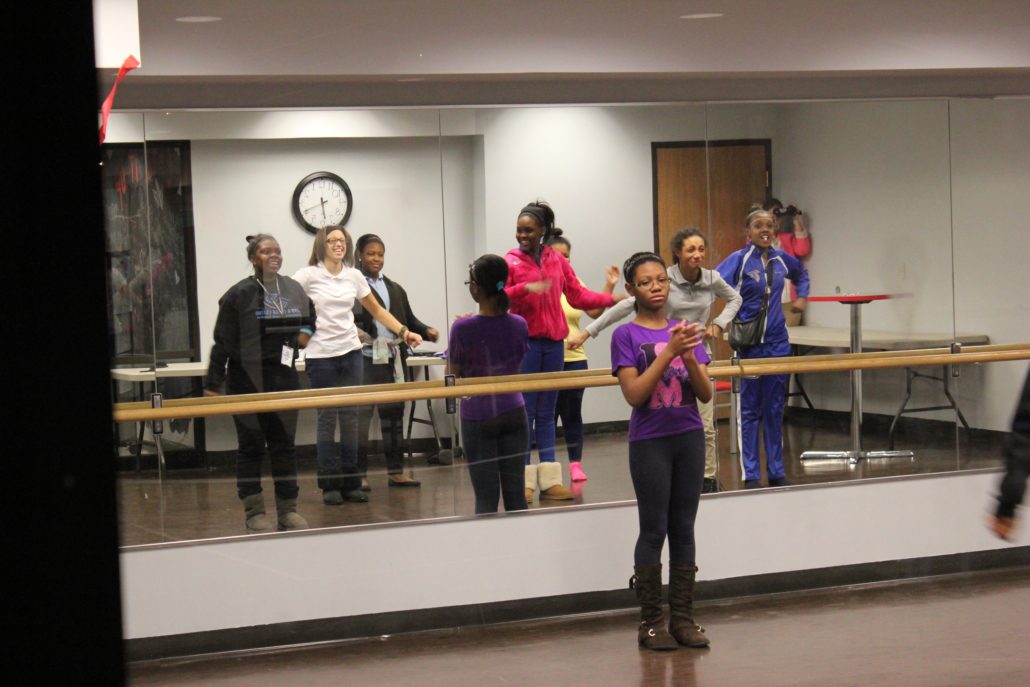
For many, living above the poverty line is not an option. Those brought up in impoverished communities face the difficulty of earning enough money to carry themselves out of poverty. While common solutions include education and improved healthcare, some families encourage their children to pursue an activity far from these: ballet. To the layman, ballet and poverty seem to have little correlation. However, in both Peru and the slums of New York, ballet has been able to help multiple people emerge from poverty.
Like many other art forms, dance is a method of expressing oneself and one’s struggles. Those living in poverty may not have monetary wealth, but they have a wealth of experiences, in some cases aiding to a successful dance journey.
Pliés and Peru
Finding a dancer with pointed shoes and leotards is a rare occurrence in Peru. However, Maria del Carmen Silva believes that poverty should not inhibit one’s ballet education. Silva preaches that her mission is not to teach the students how to plié but to expose them to a life outside of their poor neighborhood.
Few of her students have ventured outside their town solely because of financial issues. Seven million Peruvians live on under $105 a month. Although the country is economically stable, it has one of South America’s lowest rates of education, in turn enforcing the stereotype that ballet is for the rich.
The 52-year-old teacher takes her students to Lima, the wealthiest city in Peru, for them to build alliances between the privileged and those less than. Her program has inspired girls to dance and believe in the possibility of venturing outside of their comfort zone, both mentally and physically.
While ballet may solely seem to be an outlet of expression, Silva believes that the discipline and detail necessary in ballet will teach her students vital life lessons. For many of her students, hardships were handed to them at birth. However, they describe how ballet has helped relieve stress and has provided an outlet to temporarily forget about these hardships. Silva has taught her students that ballet and poverty are not only connected but also that ballet paves a path to overcome their economic status.
The Swan Dreams Project
Although New York is a wealthy state, many communities exist well below the poverty line. Youths who grow up in the slums are unable to afford proper education as well as partake in expensive extracurricular activities, namely ballet. In 2011, former School of American Ballet dancer Aesha Ash established The Swan Dreams Project. The project promotes ballet for underprivileged children to alter the misconceptions surrounding these communities.
Growing up in these impoverished communities, Aesha recalls that there was a lack of black female role models. To alter this perspective around ballet and women of color, Aesha photographs herself in these communities, providing a success story for poor children. The retired dancer states that she aims to change the stereotype surrounding African-American women and provide an outlet of beauty and expression for any race.
The Swan Dreams Project also shows children that ballet is for people of all socioeconomic backgrounds. By exposing these underprivileged communities to the art form, The Swan Dreams Project promotes greater involvement of impoverished children in the art form. In doing so, the project has donated millions of dollars to these communities. Although ballet is a stereotypically expensive activity, many dancers aim to lower the costs in impoverished communities. They bring more diversity to the art form as a result.
While ballet and poverty seem unrelated, in impoverished communities, dance provides a way to cope with one’s challenges. Despite being considered an art for the privileged, many professionals aim to teach those in underprivileged communities. In the Philippines, Ballet Manila runs a program (Project Ballet Futures) that provides free ballet training to children in impoverished neighborhoods. Similarly, ballet studios in rural communities throughout South America inspire the poor to express their stories. Around the world, ballet has contributed to impoverished societies and continues to pave the path for underprivileged children to rise above the poverty line.
– Aditi Prasad
Photo: Flickr
