• Link to X
  • Link to Facebook
  • Link to Instagram
  • Link to TikTok
  • Link to Youtube
  • About
    • About Us
      • President
      • Board of Directors
      • Board of Advisors
      • Financials
      • Our Methodology
      • Success Tracker
      • Contact
  • Act Now
    • 30 Ways to Help
      • Email Congress
      • Call Congress
      • Volunteer
      • Courses & Certificates
      • Be a Donor
    • Internships
      • In-Office Internships
      • Remote Internships
    • Legislation
      • Politics 101
  • The Blog
  • The Podcast
  • Magazine
  • Donate
  • Click to open the search input field Click to open the search input field Search
  • Menu Menu
Blog - Latest News
Malaria

Groundbreaking Antimalarial Drug
anti-malaria-discovery
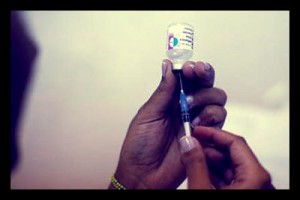
Jay Keasling a professor of chemical engineering at UC Berkeley will finally see his breakthrough mass-produced.  On April 10 the pharmaceutical company Sanofi will produce a partially synthetic version of artemisinin, a chemical critical to making today’s front-line antimalarial drug based on the scientist’s discovery. This new synthetic artemisinin is the first of its kind and could potentially save the lives of the hundreds of millions of people in developing countries who contract malaria each year. Already, 650,000 people, most of them children, die of the disease annually.

Over the centuries, sweet wormwood can be traced back to Ancient Chinese time as a treatment for malaria. The active ingredient in sweet wormwood, artemisinin, was rediscovered in the 1970’s and used commercially to treat malaria. Since then, a combination of chemicals and drugs have been used to treat malaria called ACT (Artemisinin Combination Therapy). In 2005 the World Health Organization declared ACT as the most effective malaria treatment available. Consequentially, demand for artemisinin has increased dramatically.

Today sweet wormwood is grown in Southeast Asia, China and Africa, and the quality, supply and cost of the extract varies greatly. By synthetically creating the chemical, Keasling hopes to reduce the use of such a resource as well as stabilize the quality and quantities of artemisinin in anti-malaria drugs in circulation today. Keasling also hopes that synthetic artemisinin will result in lowering costs to help get the life saving medicine to the people that need it the most.

-Kira Maixner

SourceUC Berkeley News Center

PhotoReuters

May 5, 2013
Share this entry
  • Share on Facebook
  • Share on X
  • Share on WhatsApp
  • Share on Pinterest
  • Share on LinkedIn
  • Share on Tumblr
  • Share on Vk
  • Share on Reddit
  • Share by Mail
https://borgenproject.org/wp-content/uploads/borgen-project-logo.svg 0 0 Borgen Project https://borgenproject.org/wp-content/uploads/borgen-project-logo.svg Borgen Project2013-05-05 08:29:082020-05-26 08:07:52Groundbreaking Antimalarial Drug

Get Smarter

  • Global Poverty 101
  • Global Poverty… The Good News
  • Global Poverty & U.S. Jobs
  • Global Poverty and National Security
  • Innovative Solutions to Poverty
  • Global Poverty & Aid FAQ’s
Search Search

Take Action

  • Call Congress
  • Email Congress
  • Donate
  • 30 Ways to Help
  • Volunteer Ops
  • Internships
  • Courses & Certificates
  • The Podcast
Borgen Project

“The Borgen Project is an incredible nonprofit organization that is addressing poverty and hunger and working towards ending them.”

-The Huffington Post

Inside The Borgen Project

  • Contact
  • About
  • Financials
  • President
  • Board of Directors
  • Board of Advisors

International Links

  • UK Email Parliament
  • UK Donate
  • Canada Email Parliament

Get Smarter

  • Global Poverty 101
  • Global Poverty… The Good News
  • Global Poverty & U.S. Jobs
  • Global Poverty and National Security
  • Innovative Solutions to Poverty
  • Global Poverty & Aid FAQ’s

Ways to Help

  • Call Congress
  • Email Congress
  • Donate
  • 30 Ways to Help
  • Volunteer Ops
  • Internships
  • Courses & Certificates
  • The Podcast
Link to: Your Old Clothes Could Be Hurting Africa Link to: Your Old Clothes Could Be Hurting Africa Your Old Clothes Could Be Hurting Africa Link to: Tracking Chinese Aid to Africa Link to: Tracking Chinese Aid to Africa Tracking Chinese Aid to Africa
Scroll to top Scroll to top Scroll to top