10 Facts About Sanitation in the Philippines
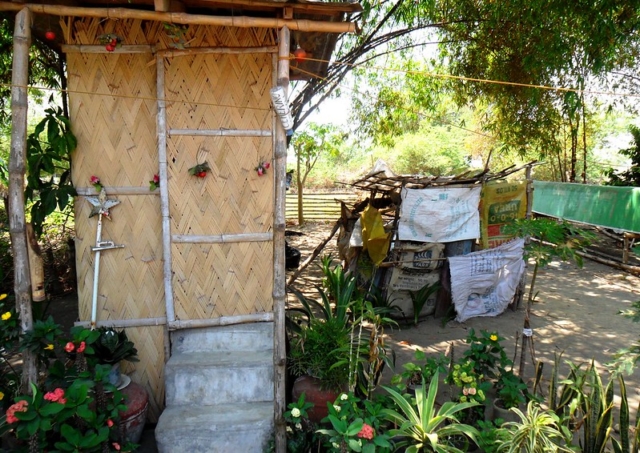
Sanitation in the Philippines is a major issue with more than 24 million people living without improved sanitation. With one-third of the population living in poverty, access to clean water and sanitation is essential to improving conditions. Here are 10 facts about sanitation in the Philippines.
10 Facts About Sanitation in the Philippines
- Access to Clean Water and Sanitation: The Philippines has a higher percentage of areas and people without access to clean water and sanitation systems than the national average of 7 percent.
- Septic Systems and Piped Sewer Systems: Many people do not have septic systems in the Philippines. Further, only 10 percent of the country has access to a piped sewer system and 8 percent have no access to sanitation facilities at all. For those who can dispose of their waste, they use plastic bags for garbage trucks to collect. This can often lead to animals breaking in, furthering contamination.
- Diseases: According to the country’s National Sewerage and Septage Management Program (NSSMP), around 55 people die every day from diseases related to inconsistent treatment of sewage. The contamination, as a result, leads to outbreaks of bacterial diseases such as meningitis and diarrhea.
- Impact of a Growing Population: The growing population will place a further strain on the limited clean water resources of the Philippines. Despite the vast improvements that the Philippines has made, an estimated additional 2 million people required access to clean water each year as of 2008.
- Contamination: Water is in further demand due to a contaminated water supply that unimproved sanitation in the Philippines caused. Most of the waste goes directly into bodies of water. As of 2011, 58 percent of groundwater suffered contamination. Further, over 60 percent of the country’s rivers exceeded the limits for potability.
- The NSSMP: The National Sewerage and Septage Management Program (NSSMP) is making strides towards completing the U.N.’s Sustainable Development Goals for 2030. By increasing reliable sanitation infrastructure in the Philippines, the country seeks to eliminate public defecation, especially for women and girls.
- Importance of Sanitation: Improving sanitation also improves the global water situation. Water is a finite resource. With the continuous transformation into gray water and the return to the ocean, potable water becomes further limited. As society improves at effectively utilizing water, this leads to preservation for future generations.
- Sanitation in Urban Areas: Sanitation in the Philippines is best in urban areas where people have recently added sewerage and water piping systems. For instance, the eastern area of metro Manila benefited from updates in 2012 that focused on improving treatment facilities and installing water connections. These improvements reduced the spread of waterborne diseases in the area and gave over 3 million people regular access to clean water.
- Improving Clean Water Access: Access to clean water has greatly improved as sanitation has. The organization Water.org has been providing small loans to people to receive water connections; this will reduce the amount of time people spend looking for water. Since 2015, Water.org has distributed over 810,000 loans, bringing clean water to more than 3 million people.
- Educational Programs: Educational programs to inform the public about water management and sustainability have become increasingly popular. For instance, the Manila Water Enterprise offers tours for stakeholders and the public that show the steps of the water lifecycle in the sanitation world.
These 10 facts about sanitation in the Philippines show that the Philippines and sanitation have had a fraught relationship. However, with increased efforts from both the national government and nonprofit organizations, more people gain access to water and sanitation systems every year. As aid increases, there is no doubt that the effectiveness of sanitation in the Philippines will improve as well.
– Anna Sarah Langlois
Photo: Flickr
