8 Facts About Ghana’s Water Crisis
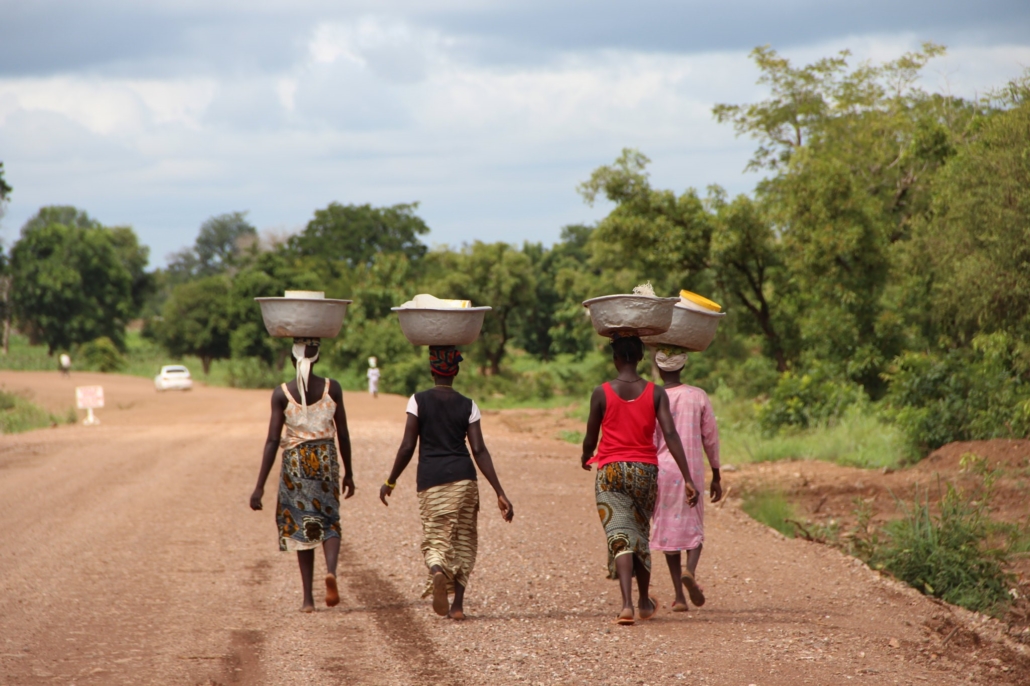
Much like many other countries in Africa, Ghana’s water crisis is straining the nation. The local government has taken steps to try and minimize the damage, but a growing population, faulty equipment and rapid urbanization are outpacing most improvements. Here are eight facts about Ghana’s water crisis.
8 Facts About Ghana’s Water Crisis
- While some African countries suffer from a lack of water, Ghana suffers from too much polluted water. The problem lies in a lack of functioning water filters. The government plans to replace these defective filters, but the costs can run to an estimated $35 million. Despite this, the government is going ahead with the project with the support of outside companies, such as Native Energy and NGOs.
- The rapid urbanization in Ghana causes water pollution. Unsafe housing with poor housing facilities like sinks and toilets pour polluted water into waterways. This causes families to resort to water vendors, which are often not sanitary. This leads to a vicious cycle of water pollution, where more people get sick as a result.
- One of the leading diseases affecting the people of Ghana is cholera. It spreads primarily through the use of faulty toilets and plumbing. A flash flood further exacerbated the situation in 2014 when copious amounts of polluted water mixed with water supplies, affecting 30,000 people.
- The government has taken steps to improve the state of affairs with the Ghana Clean Water Project. This project seeks to improve the water situation by hiring skilled individuals to administer water quality testing as well as teaching communities how to maintain sanitation practices. The cleanliness is especially important since as mentioned before poor sanitation contributes heavily to Ghana’s water issues.
- Dry winter winds, called harmattan, also cause water shortages in Ghana. This leads to water rationing, which of course leads to protests and public discontent. Deforestation and illegal gold mining further exacerbate the problem by further polluting the limited water supply.
- Seventy-three percent of the population, or about 23 million people, use water that may not follow sanitary standards. This would mean that only 3.9 million people in Ghana can access water that is safe. Everyone else has to sift through contaminated water.
- Population growth, alongside rapid urbanization, also causes water pollution. Between 2016 and 2050, projections estimate that the population of Africa will double. For Ghana, this means that while new economic activities could crop up, the strain on water resources will also increase. Ghana’s situation can only get worse as time goes on if it leaves these issues unchecked.
- The African Development Bank calculated that granting universal access to water across Africa would cost $66 billion. This does not even include the $170 billion necessary to create a sustainable infrastructure to keep water supplies high. Officials in the government say that Ghana will need a better allocation of resources to see through possible improvements.
Unless the government receives outside help, however, it may be some time before it acquires any substantial gain in sanitation or water production. This is why these eight facts about Ghana’s water crisis are so important.
– Collin Williams
Photo: Flickr
