Girls’ Education in the Solomon Islands
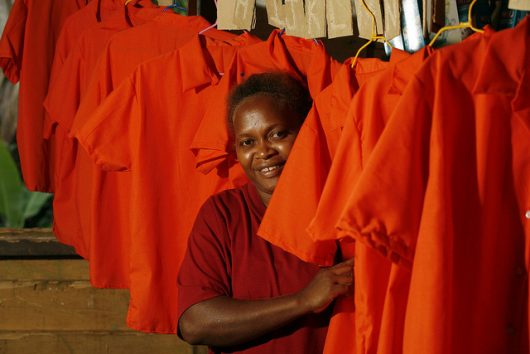
In the Solomon Islands schooling is not compulsory; as a result, there are low enrollment rates among all young people. Less than 60 percent of children enter primary schooling, of which, the ratio of girls to boys enrolled is roughly equal. However, there is a large disparity between the percentage of girls enrolled in primary school versus secondary school. The gross rate for girls enrolled in secondary school is only 27 percent.
As a result, the respective literacy rates for women remain low as the country attempts to better its education. In 1999, the recorded literacy rate for women aged 15 years and older was 69 percent while men in the same age range had a literacy rate of almost 84 percent.
Improving Girls’ Education in The Solomon Islands
To combat the illiteracy in the Solomon Islands, World Vision began its Early Childhood and Adult Literacy projects on the islands. The aid organization has three projects in the provinces of Honiara, Temotu and Makira. The projects’ aim is to provide functional literacy to woman and youth on the islands.
In addition to literacy programs, World Vision uses the projects to provide economic, social and educational activities to the communities that the projects serve. After learning the necessary foundational skills — like literacy — the women are then provided with the economic and personal skills they need to become leaders in their communities.
World Vision’s Early Childhood and Adult Literacy projects are beneficial strategies to decrease adult illiteracy and aid women who missed opportunities for education when they were young. To better girls’ education in the Solomon Islands, World Bank has proposed multiple strategies that would provide a more egalitarian approach to education.
World Bank’s Suggestions for Keeping Enrollment Up
I order to target the discrepancy between the percentage of girls enrolled in primary and secondary education, World Bank suggests that educational settings should ensure water and sanitation facilities, education for pregnant young women, safe accommodation for boarding students including safety from violence and sexual abuse and access to sexual and reproductive health services.
All aspects of the aforementioned suggestions are solutions to a range of issues that prevent young girls from continuing schooling past the primary level. World Bank also highlights the fact that sexual and reproductive health services are critical to improving the educational experiences of girls, as teen pregnancy is one of the main reasons young women end their schooling.
Another strategy that World Bank has proposed involves offering short-courses, non-formal training and mobile village skills to girls who cannot access formal schooling. The current standard of focusing girls’ education on domestic skills is preventing girls from gaining the necessary education to participate in the economy.
Additionally, these village courses would reduce the need for rural families to send their daughters to board at schools, which is a major safety concern. The informal and mobile courses would offer girls an opportunity to gain an education that they otherwise would not have access to.
While the islands have been making some progress towards bettering their education, more work can be done to continue making progress in girls’ education in the Solomon Islands. The work of World Vision and World Bank offers valid solutions to the problems facing girls in their schooling. When coupled with government action on the islands, education can soon become more equal for girls in this small oceanic country.
– Savannah Hawley
Photo: Flickr
