Combating Statelessness for Rohingya Refugees Continues
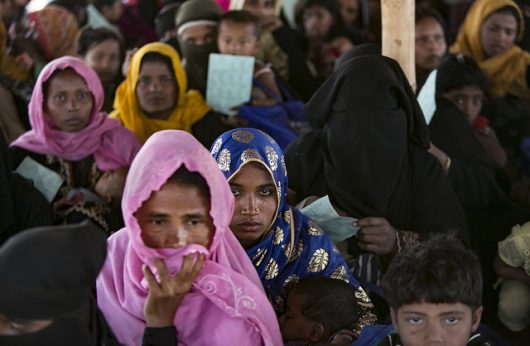
The Muslim Rohingya minority found in Myanmar have been systematically stripped of citizenship in bureaucratic ways, which has led to combating statelessness for Rohingya refugees.
In 1982, the ruling military junta put in place discriminatory citizenship laws in Myanmar. The law favors the country’s “national races” and excludes the Muslim Rohingya and several other ethnic minorities, automatically granting full citizenship to these “national races.” The national races include groups that were present in Myanmar before the British conquest in 1824.
Removing Rohingya Rights
Throughout past years in Myanmar, each form of ID was declared invalid and then taken from the Rohingya, replaced with a card that indicated fewer rights. The “white cards,” created in 1982, were temporary documents that left the Rohingya in legal limbo.
Currently, the authorities urge the Rohingya to apply for a “national verification card.” The new identification card is highly criticized because of the multistep citizenship process associated with the cards. Many Rohingya, in addition, don’t feel confident that they would have “full” citizenship or basic rights with the new cards.
Nurul Hoque and his family are Rohingya refugees that are fearful of these new cards. He holds on to his grandfather’s old and frail identity card from Myanmar from before the implementation of the discriminatory citizenship laws. This old document is a reminder of a life that he and his family had left behind in Myanmar.
Nick Cheesman, a political scientist at Australian International University, describes to DW that the deprivation of citizenship among Rohingya was not a result of the 1982 law but more an inaccurate implementation of the law.
United Nations High Commissioner of Refugees and Combating Statelessness
In combating statelessness for Rohingya refugees, the United Nations High Commissioner of Refugees (UNHCR) has declared a worldwide effort to end statelessness by 2024. Around 10 million people in the world are denied citizenship, which causes many obstacles in obtaining basic rights.
To overcome statelessness, the UNHCR works with many other organizations to assemble and endorse more compelling solutions. It collaborates with other international organizations, nongovernmental organizations, civil society groups, national human rights institutions and academic and legal associations. The United Nations General Assembly granted, through a series of resolutions in 1995, the UNHCR the formal approval to combat statelessness through identification, prevention, reduction and protection of stateless individuals.
The UNHCR believes that citizenship, or some structure of documented status within a state, is required for basic rights to be achieved. This statelessness determination status, though, is to give individuals an interim way to attain basic rights. The final goal is to end statelessness altogether.
United States Assistance to Myanmar
The United States humanitarian policy in Myanmar has been guided by the importance of protection of basic rights for refugees and asylum seekers. On September 20, 2017, the State Department allocated $28 million in humanitarian aid for displaced people in Bangladesh.
The overall objective for United States policy in Myanmar is to establish a democratically elected civilian government that recognizes human rights and civil liberties of all Myanmar citizens and residents, revealing another effort in combating statelessness for Rohingya refugees.
– Andrea Quade
Photo: Flickr
