Infrastructure in Fiji Shows Growth and Development
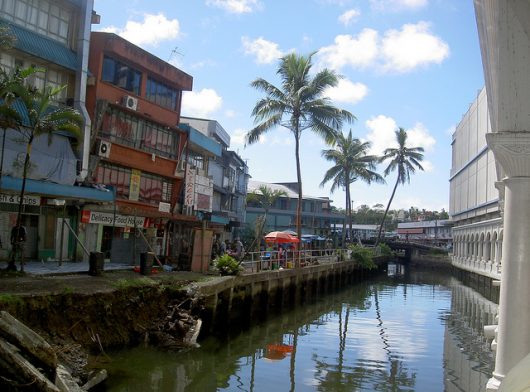
Development of infrastructure is a key factor to establish a growing state. The infrastructure in Fiji benefits from a thriving tourism sector that energizes the islands. Roads, electricity, water supply, ports and the government are showing growth in a positive manner.
Transportation is a key component in the infrastructure of a state. In Fiji, the road system connects all town and cities and ferry rides offer water transportation. There are 25 local airports and two international airports serving as a trans-Pacific air traffic zone from the main island, Viti Levu. Ensuring access to transportation is necessary for the tourism industry in Fiji.
The developments also benefit access to clean water among the islands and electricity to most areas in Fiji.
Eighty percent of Fiji’s electricity comes from hydroelectric generation and 20 percent comes from imported fossil fuels. Electricity is coordinated by Fiji Electricity Authority, but a high demand, as a result of growth, has prompted other electric producers to partake in this industry.
Telecommunications is another avenue seeing great development. Full inter-island and international telephone access, as well as cable links and satellite access, are signs of growth. The deregulation and privatization of telecommunications have left an open market to internet providers. A Fijian-British joint venture gained an investment of $7.1 million in cellular telephone networks.
Infrastructure in Fiji is flourishing and has had large impacts on human rights and liberties as a result of government reforms. November 2014 marked the end of nearly eight years of military rule and the beginning of a free and fair democracy. Prime Minister Bainimarama promised to end corruption, promote economic growth and ease racial and religious tensions. While he is said to rule with a “heavy-hand,” voter turnout is up to 84 percent and reserved seats and special privileges for ethnic or religious groups in parliament are denied. The Fiji Independent Commission Against Corruption (FICAC) is also investigating many cases of corruption and working for better transparency within the government.
Unfortunately, FICAC lacks adequate resources to perform the number of investigations needed and some legislations are viewed as rushed, without due process. However, the Parliament is trying to be more transparent with live broadcasts of sessions, meeting notes and budgets posted for the public to see. The democracy of Fiji is taking action to acknowledge the Fijians.
The development experienced by Fiji is prompting investors to see it as an investment opportunity. The development allows for the people to experience more advantages such as freedom of religion and academy. Hinduism is openly recognized and no attacks on temples have occurred recently. Education can be sought without religious or ethnic bias, but limited resources lower the quality of institutions. Growth is evident within Fiji, allowing for further industries to emerge and prosper within the economy.
International trade was also restored with the emergence of democracy. China is a main trade partner, engaging in international trade and also contributing key foreign aid. The World Bank, European Union and Asian Development Bank (ADB) have invested in the water, water waste, roads and transportation sectors since Fiji’s return to democracy.
As a developing nation, the growth of infrastructure in Fiji has shown great promise for foreign investment and industries. This progress has benefited the locals that occupy the islands and tourists who visit. It has contributed to improving the overall quality of life within Fiji.
– Bronti DeRoche
Photo: Flickr
