How to Help People in Dominica
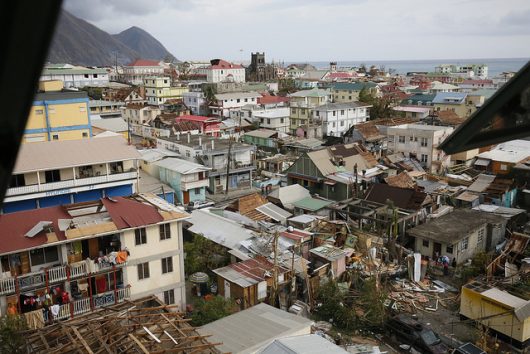
The Commonwealth of Dominica, a small island nation, is one of the poorest countries in the Caribbean. While other Caribbean nations have moderately successful tourist industries, Dominica’s tourism has decreased in recent years along with its economic growth. Dependence on a failing banana industry has further exacerbated the country’s poverty; therefore, it is necessary to help people in Dominica reinvent their economy.
As recently as the 1990s, Dominica supported itself through banana farming, which was well-suited to the country’s tropical environment. While banana-centric agriculture was reliable and productive, economic specialization proved to be a kiss of death for Dominica’s economy in a changing trade landscape. When global tariffs on American-grown bananas were lifted in 2008, Dominican farmers simply could not compete with the low prices offered by American companies.
While the revenue generated by banana exports once supported nearly 2,000 Dominican farmers, only about 700 struggling banana farmers remain. Dominica’s unemployment rate sits at a staggering 23%, having decreased only two percent over the last decade.
Dominica’s economic hard times have impacted the lives of its citizens. Forty percent of Dominica’s population lives in poverty. Since the fall of the banana industry, Dominicans have left the country in droves, seeking employment. The exodus has been so significant that remittance payments from emigrant family members account for 16% of Dominica’s GDP.
The Dominican government has promoted economic diversification in an attempt to resurrect the economy and provide more jobs for Dominican citizens. Another Caribbean nation, Antigua and Barbuda, set the example for a diversified economy after the decline of its sugar cane industry. By embracing tourism and online gaming, as well as construction, Antigua and Barbuda saw significant financial benefits. Unfortunately, Dominica has not yet successfully diversified. The tourism industry in Dominica is still meager compared to that of other Caribbean nations, and other agricultural exports, like coffee, fruit and flowers, have not replaced the lucrative banana.
In addition to monetary problems, water sanitation issues and resulting diseases plague Dominica’s inhabitants. Thirty-seven percent of Dominicans do not have access to clean water. Unsanitary water increases the incidence of diseases such as typhoid fever, which has increased in Dominica by nearly 40% since 1990. Though Dominica’s government created a water and sewage management company in 1989 (The Dominica Water and Sewage Company), Dominica still relies on foreign grants for infrastructural maintenance.
Changes in trade policy would greatly help people in Dominica. The reimplementation of tariffs on U.S. produce would make it easier for Dominican farmers to sell their bananas on the global market. Fair trade organizations, such as the Windward Islands Farmers Association, have helped banana farmers access profitable trading opportunities, so buying fair trade Dominican bananas supports the livelihood of Dominican farmers. However, further assistance is needed.
The EU is Dominica’s most significant donor, though China also contributes aid. If Dominica is going to be successful, more wealthy countries such as the U.S. should provide aid programs or create legislation to strengthen infrastructure, reenergize and diversify the economy, and help people in Dominica live free from poverty.
– Mary Efird
Photo: Flickr
